
Kauaʻi, Hawaii
Kauaʻi is the northernmost of Hawaii’s eight main islands, located in the central Pacific Ocean. It is known for its lush rainforests, dramatic cliffs, and rugged coastline.
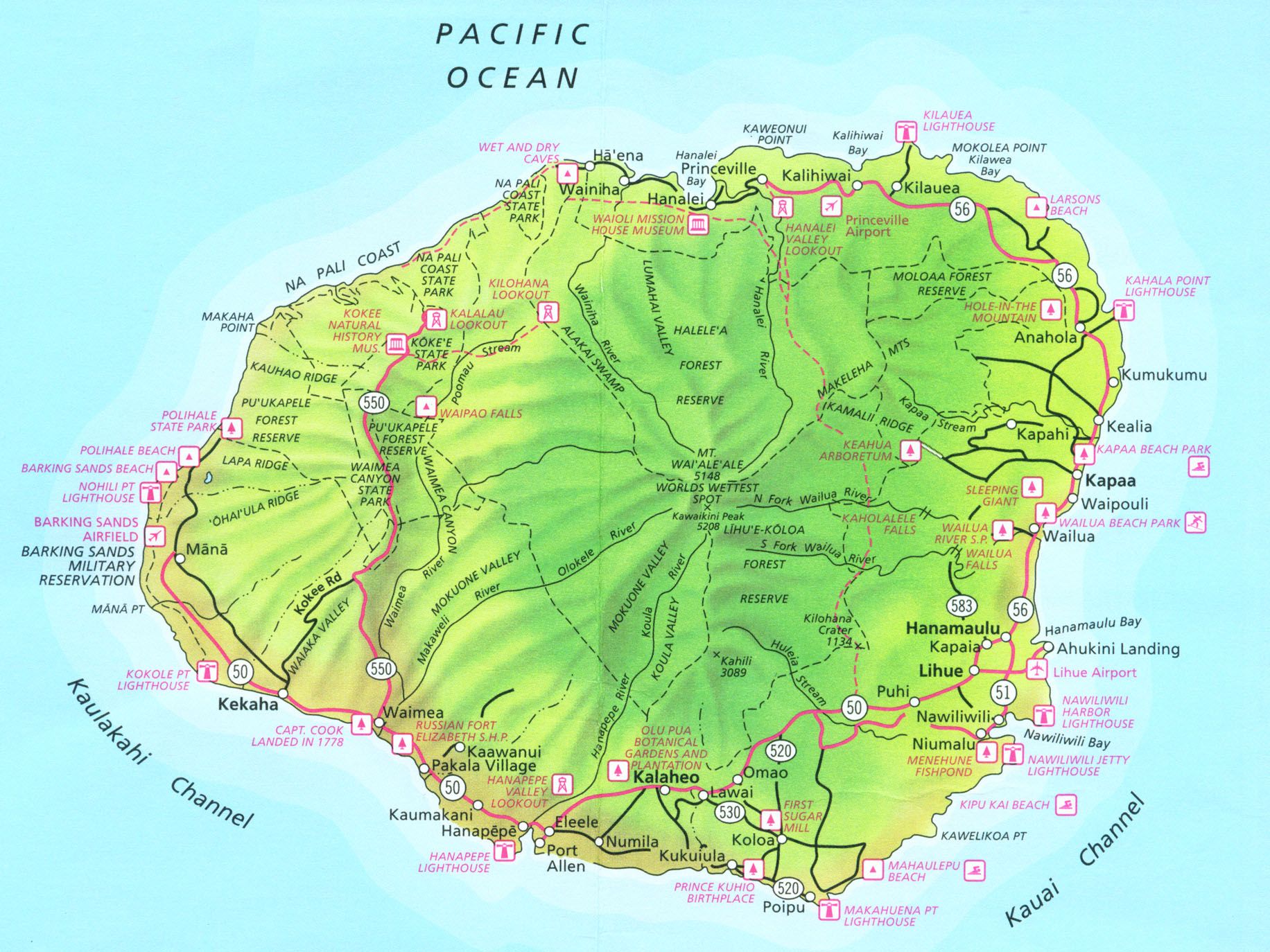
Kauaʻi, Hawaii
The Garden Isle
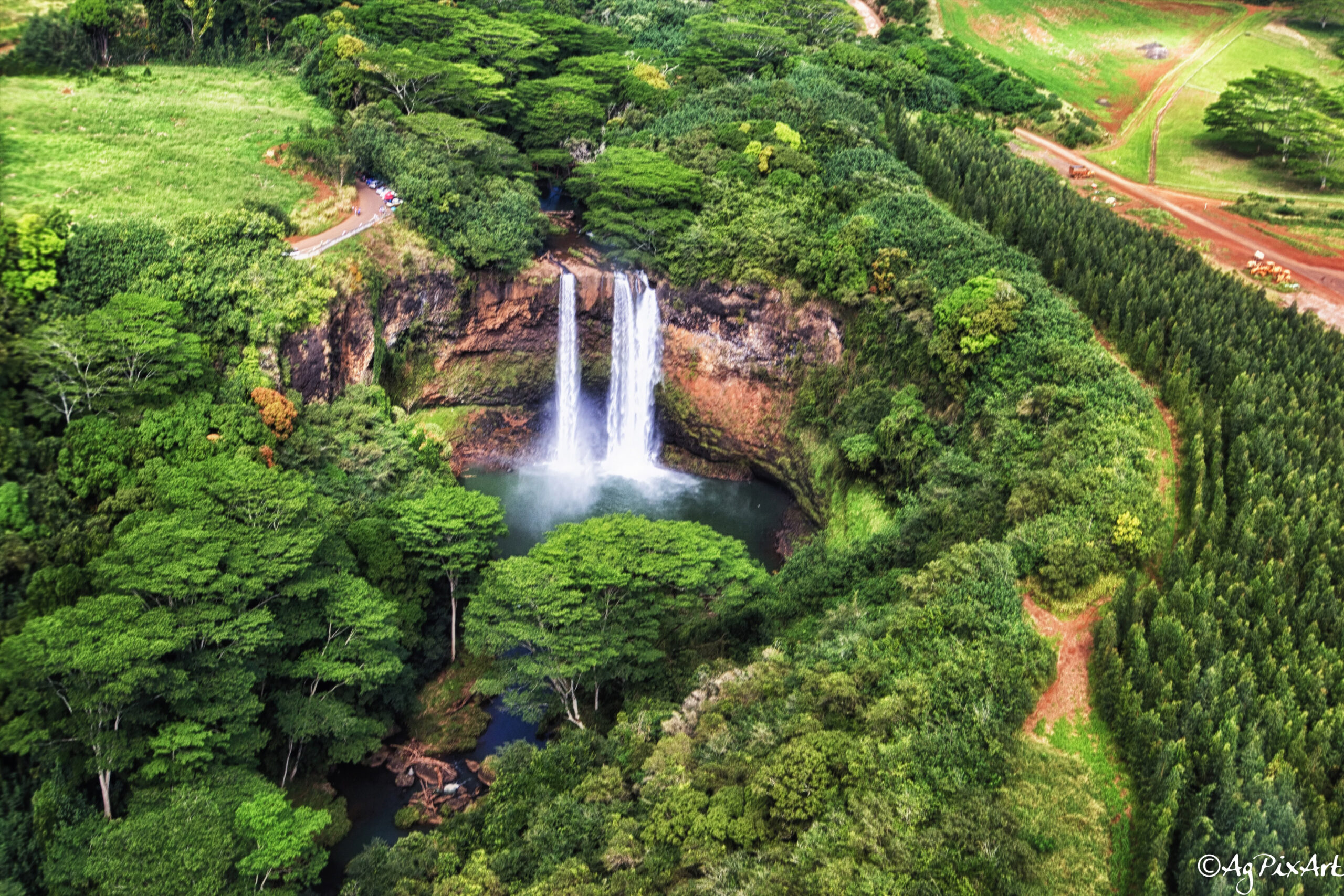
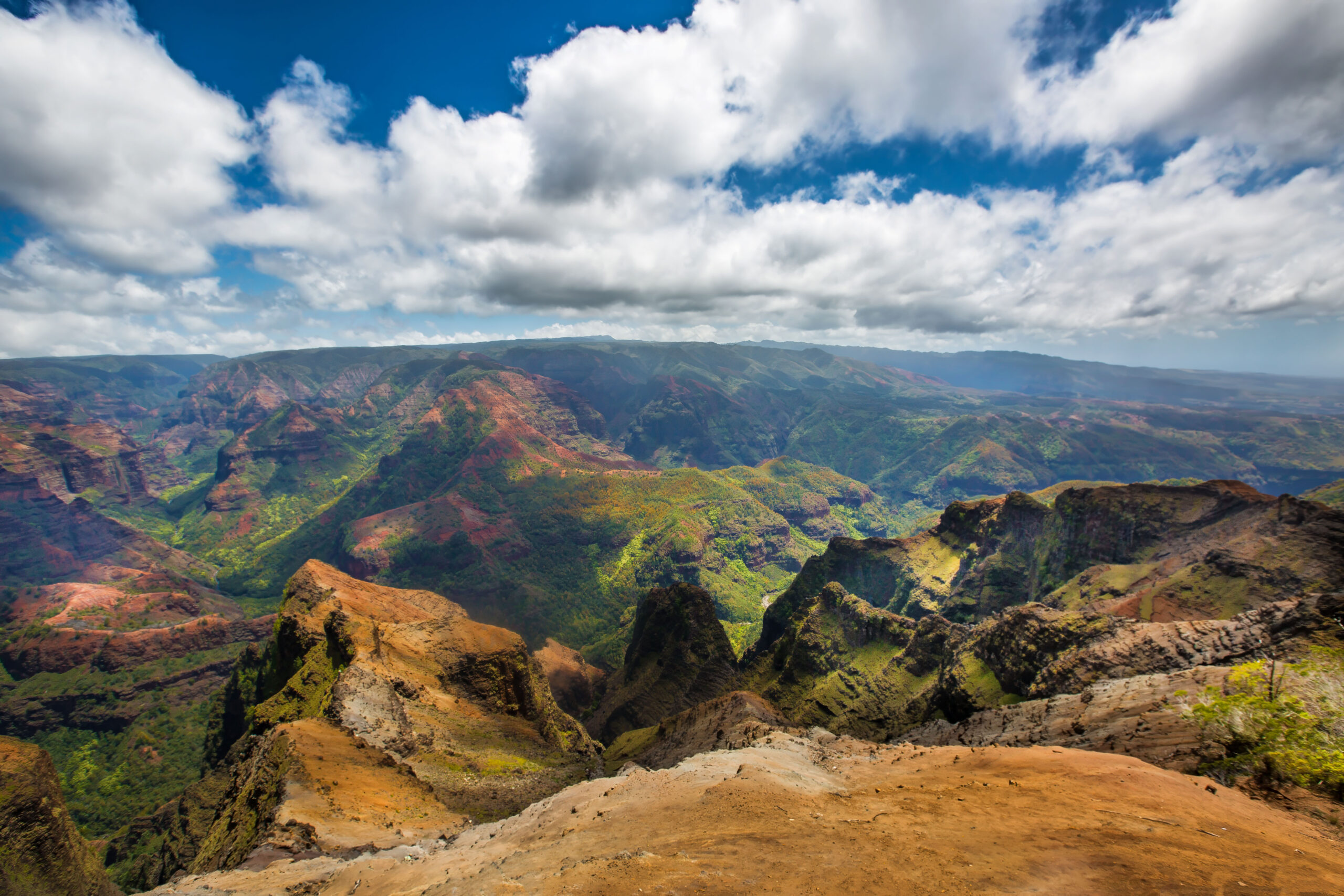
Kauaʻi, the northernmost of Hawaii’s main islands, is part of the Hawaiian archipelago, formed by volcanic activity over millions of years. As the oldest major island, its dramatic landscape, shaped by relentless erosion, features the rugged Nā Pali Coast and the awe-inspiring Waimea Canyon, dubbed the “Grand Canyon of the Pacific.” Spanning roughly 552 square miles and home to approximately 73,000 residents, Kauaʻi boasts a pristine, largely untouched environment, with 90% of its land undeveloped. At its heart lies Mount Waiʻaleʻale, one of the planet’s wettest locations, receiving around 450 inches of rain annually, nurturing lush rainforests, cascading waterfalls like Wailua Falls, and vital rivers such as the Wailua and Hanalei. The island’s 43 beaches and verdant ecosystems complement its rich cultural tapestry, woven with Hawaiian traditions, sacred heiau (temples), and ancient petroglyphs along the Wailua River. Kauaʻi also resonates with legends of the Menehune, mythical diminutive architects of the island’s storied past.
Kauaʻi, HI
TidBits Tabs – Know Before Trip
(click on the tab to open/close)
Pre-Contact (Before 1778) – Kauai is inhabited by Native Hawaiians with a rich culture of farming, fishing, and oral traditions. The island is ruled by aliʻi (chiefs) under a complex social system.
1778 – Captain James Cook lands at Waimea, marking the first European contact with Kauai.
1810 -Kauai joins the Kingdom of Hawaii under King Kamehameha I, unifying the islands after resistance from Kauai’s King Kaumualiʻi.
1816-1817 – Russian Fort Elizabeth built by Georg Anton Schäffer in Waimea, a brief attempt at Russian influence, abandoned by 1817.
1820s – Missionaries arrive, introducing Christianity and literacy, influencing Hawaiian culture.
1835 – First sugar plantation established at Koloa, marking the start of Kauai’s plantation era.
Late 1800s – Sugar industry dominates, bringing immigrant workers from Asia and elsewhere, shaping Kauai’s multicultural population.
1893-1898 – Overthrow of the Hawaiian monarchy impacts Kauai; Hawaii becomes a U.S. territory in 1898.
1941 – World War II brings military presence to Kauai, with bases and economic shifts.
1959 – Hawaii becomes the 50th U.S. state, with Kauai as part of Kauai County, which includes the islands of Niʻihau, Lehua, and Kaʻula.
Late 20th Century – Tourism grows, with Kauai’s natural beauty (Na Pali Coast, Waimea Canyon) attracting visitors; sugar industry declines.
1992 – Hurricane Iniki devastates Kauai, causing widespread rebuilding efforts.
Present – Kauai remains a tourism hub, emphasizing eco-tourism, agriculture (taro, coffee), and preservation of Native Hawaiian culture.
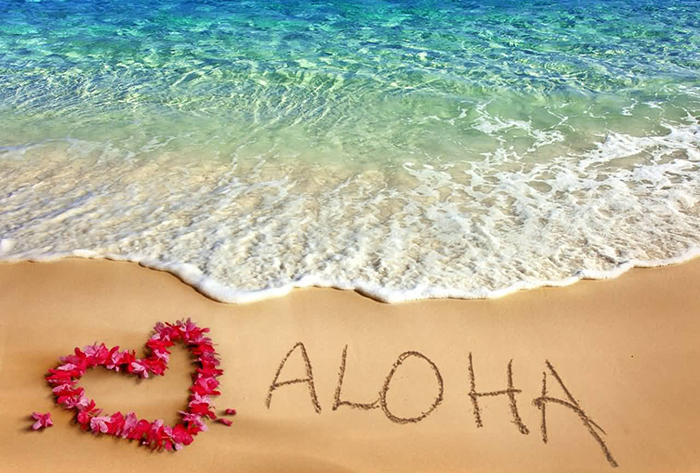
Travel With Aloha
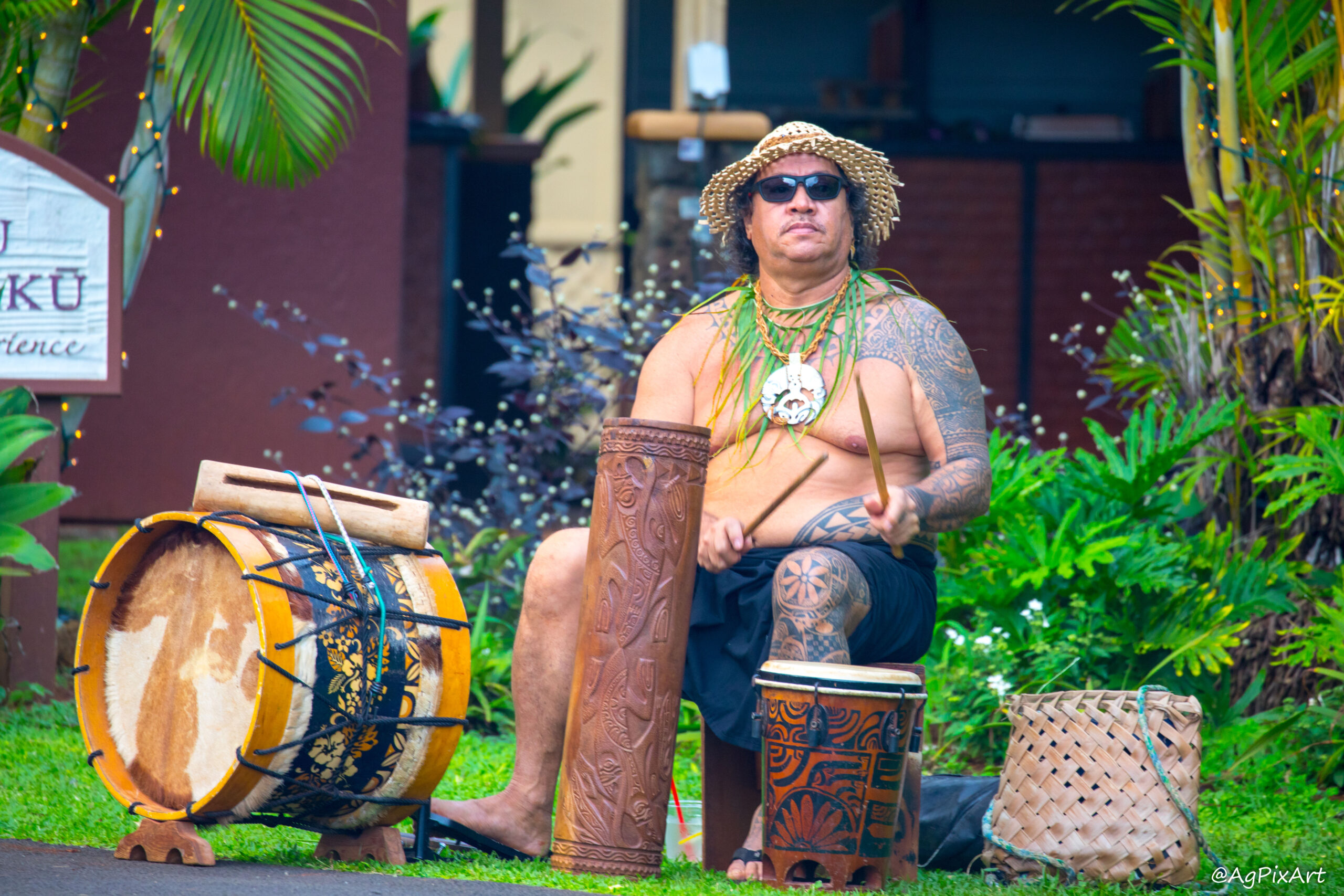
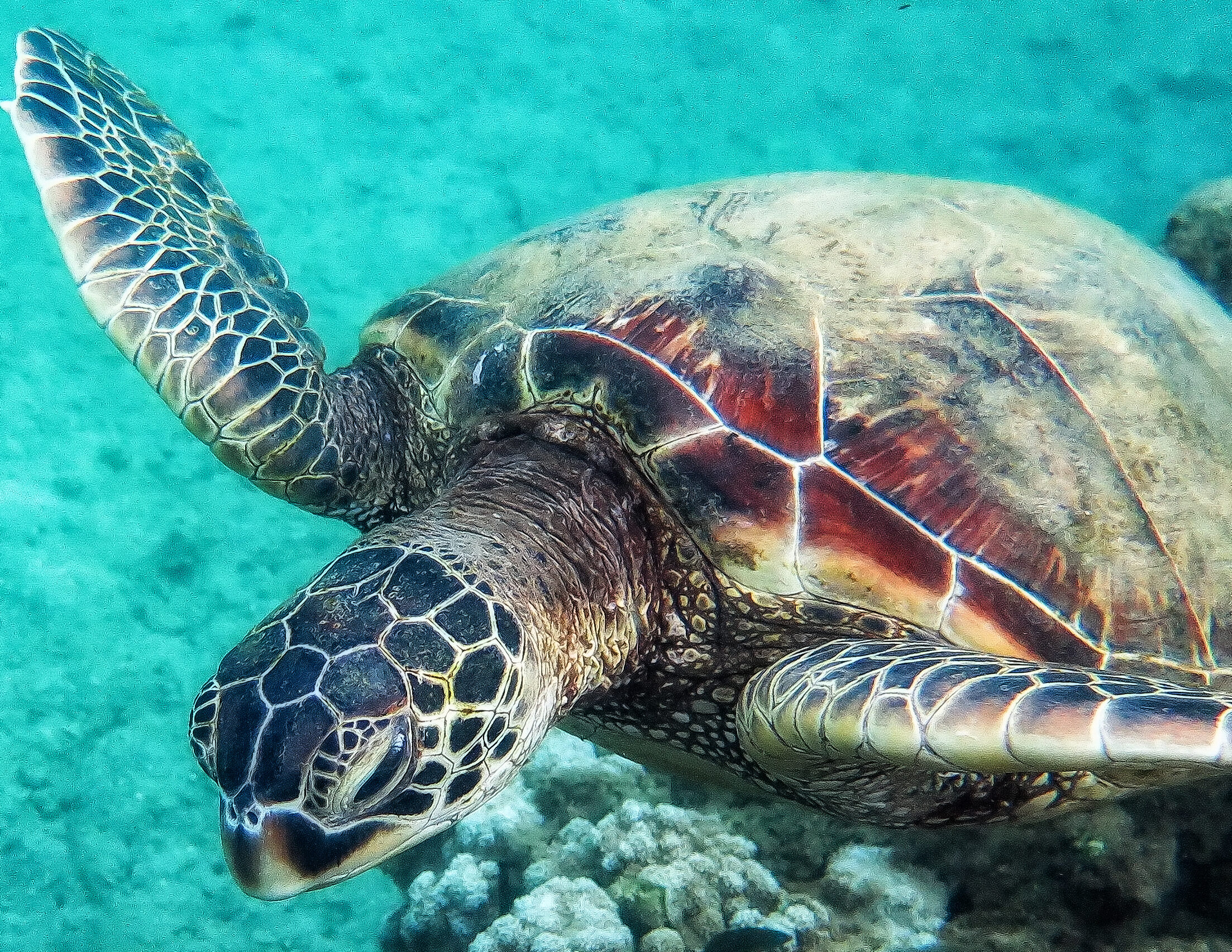
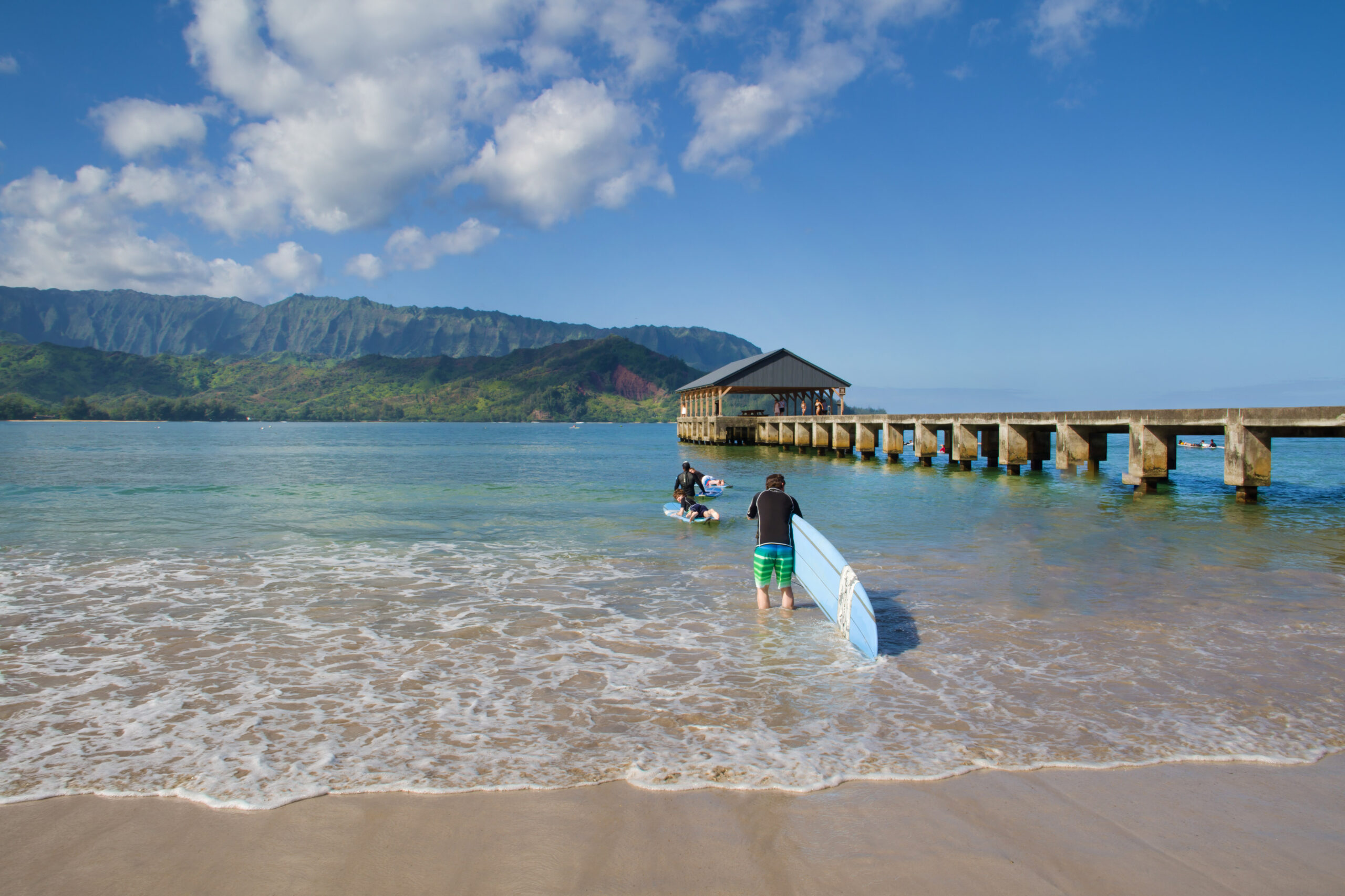
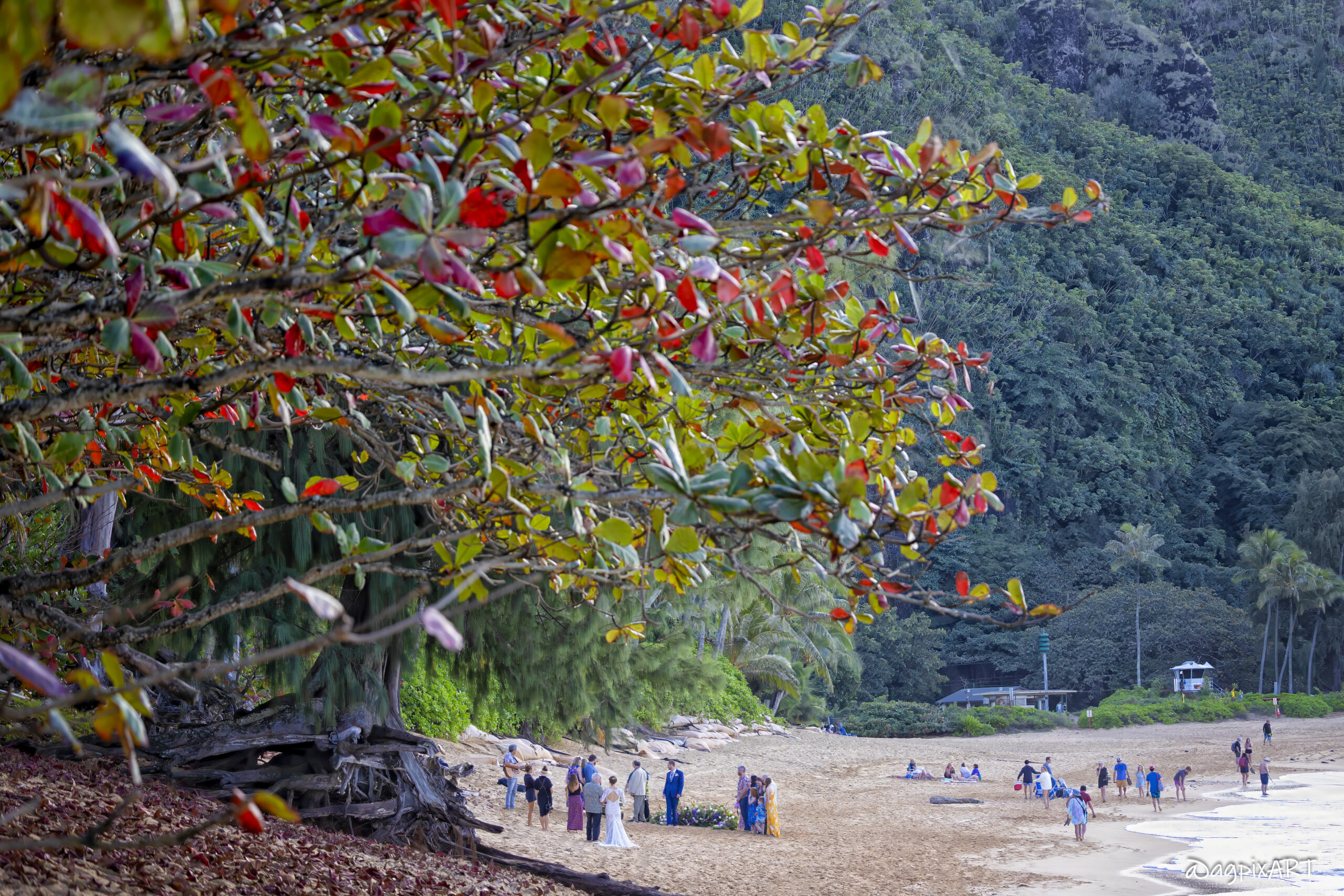
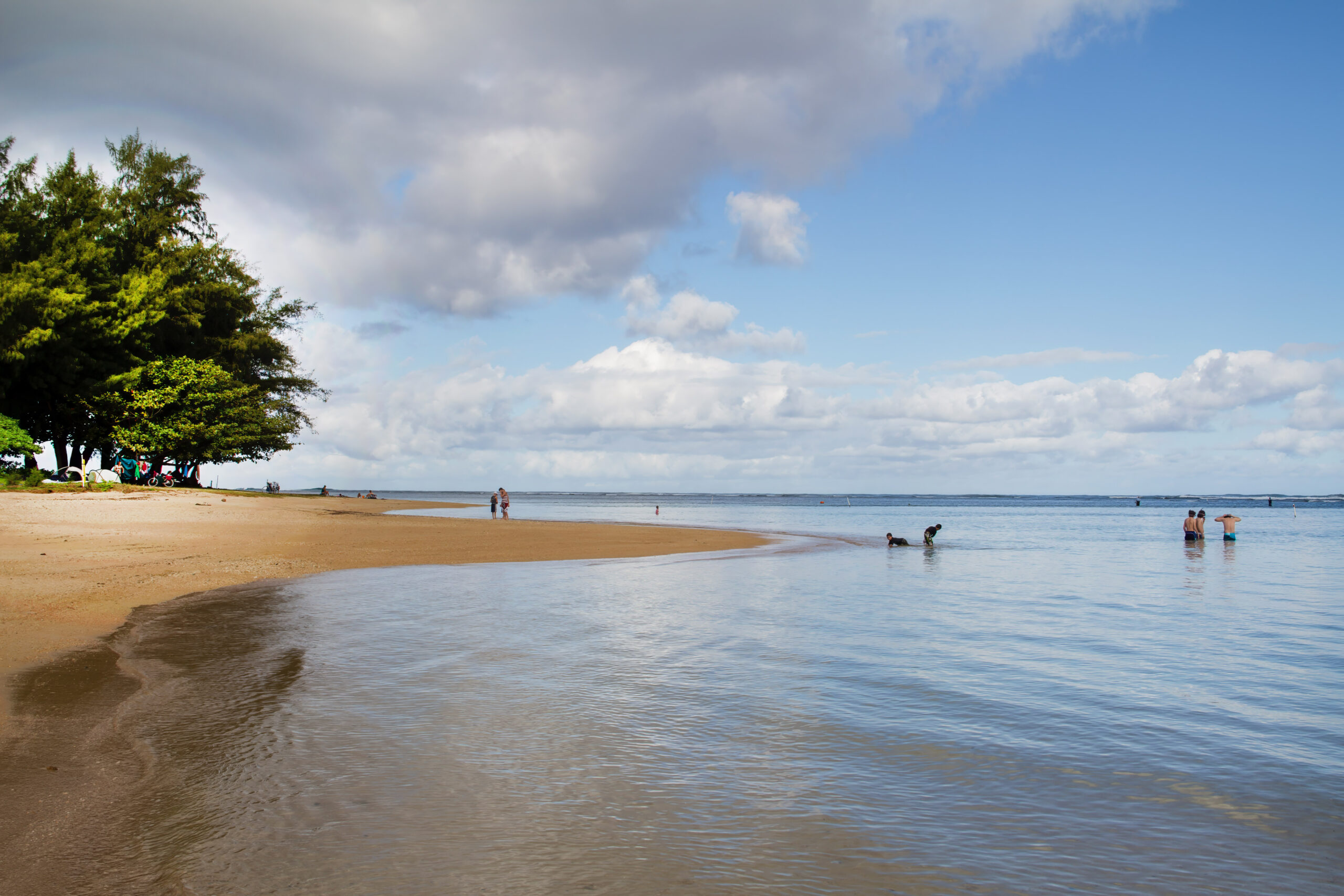
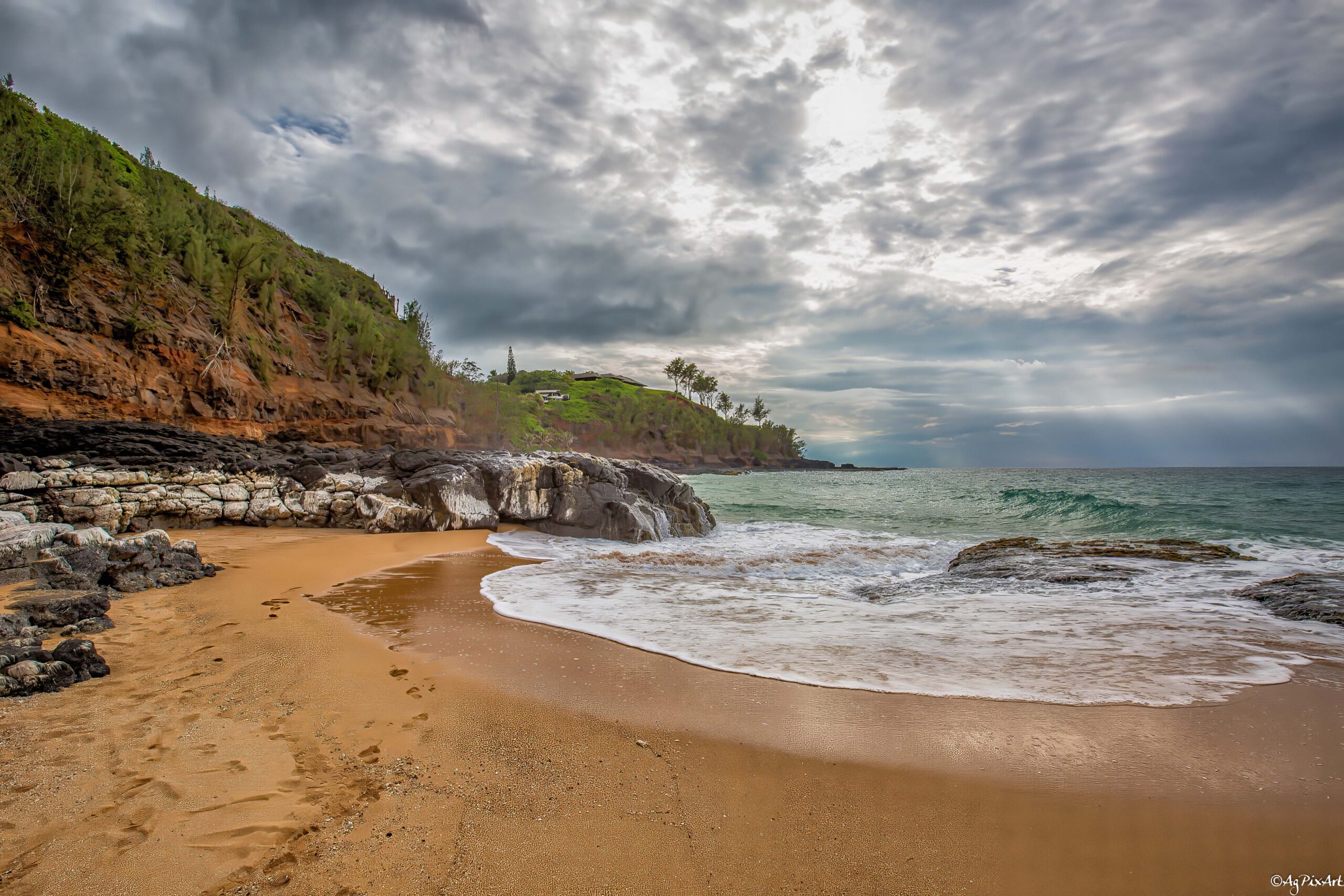
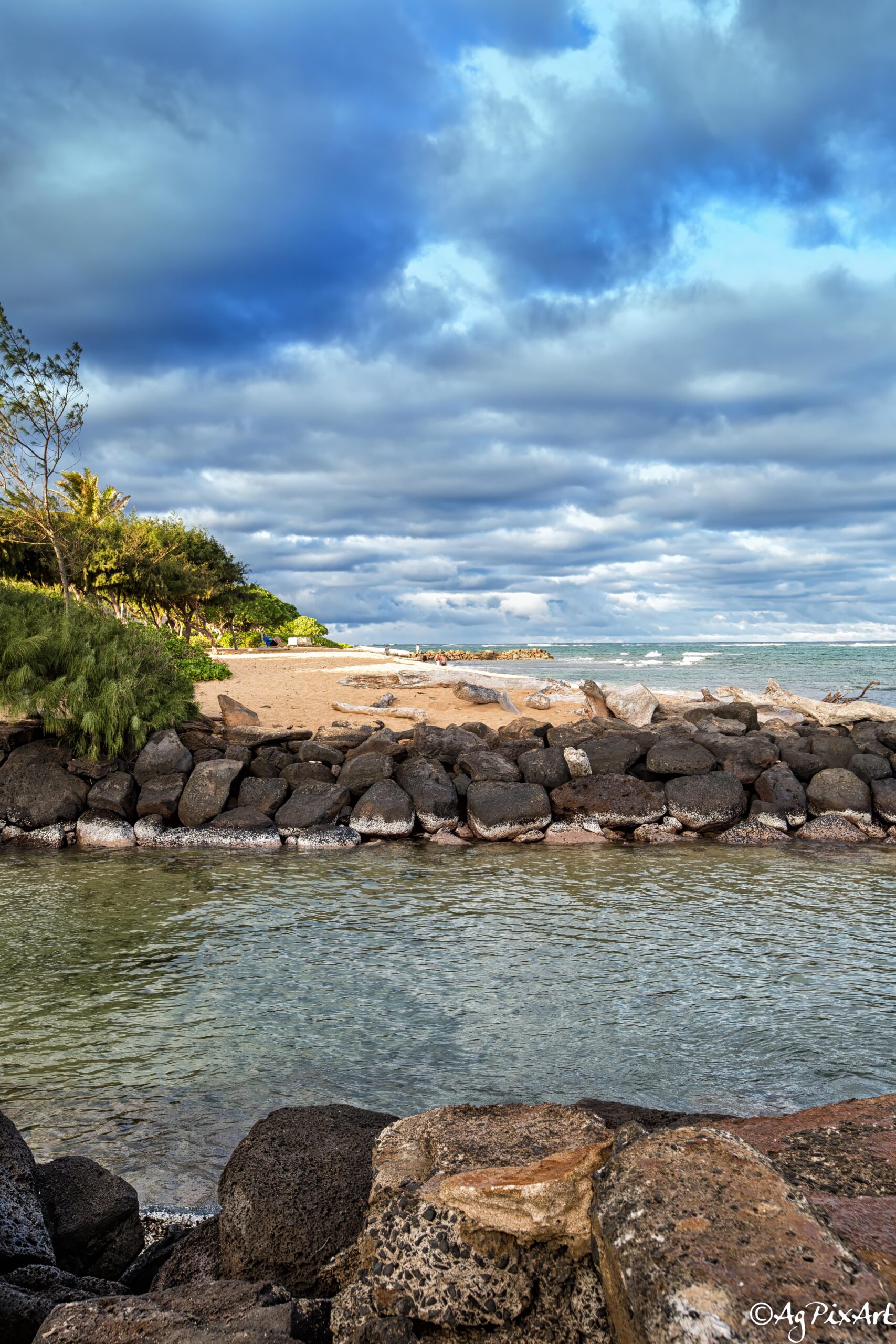
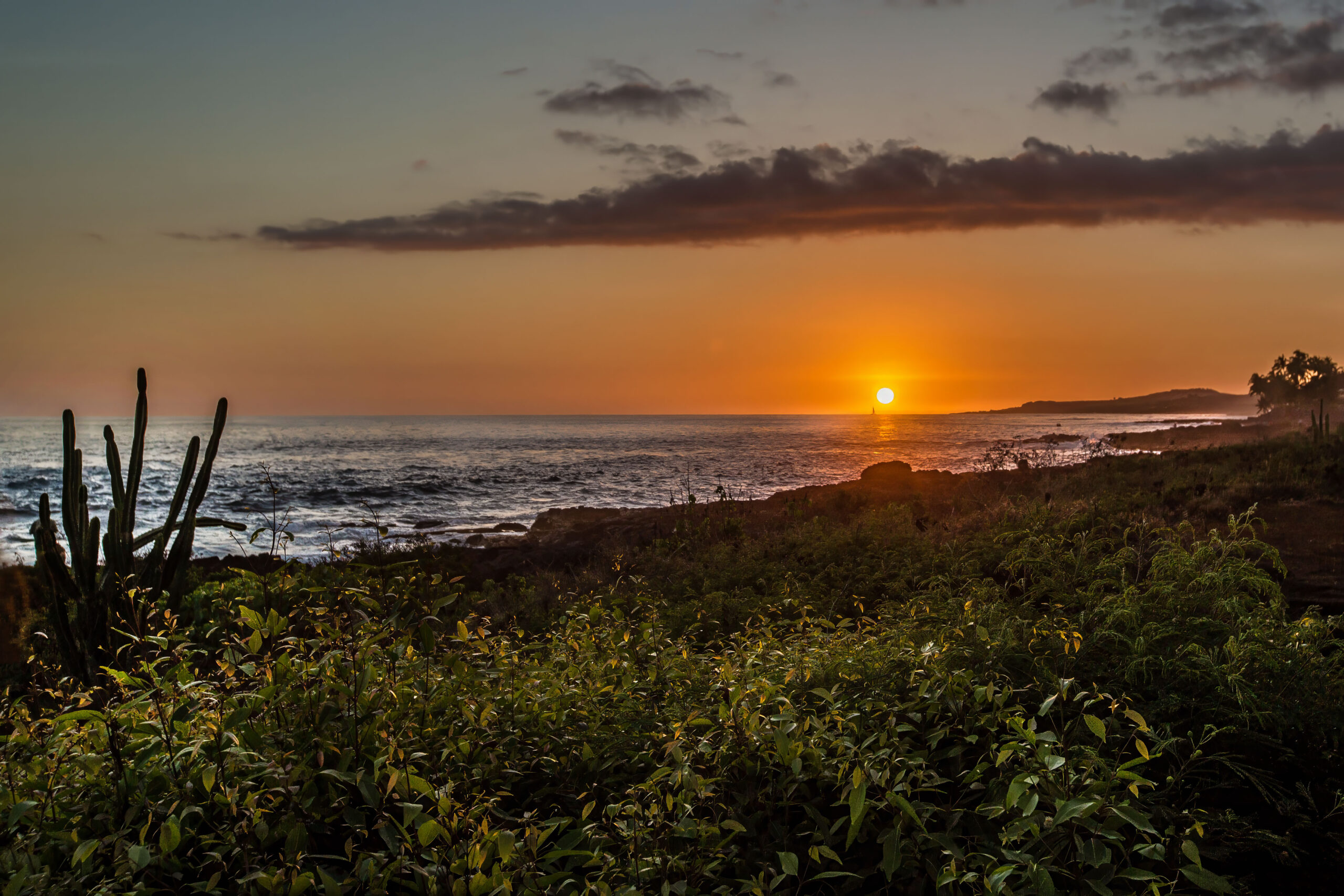
Sample Photos from Kauaʻi, HI

If you see this after your page is loaded completely, leafletJS files are missing.
If you see this after your page is loaded completely, leafletJS files are missing.