West of Hanalei –
The End of the Road, North Shore

Go forth and embark on the legendary drive west from Hanalei along the main road (Kuhio Highway, Route 560) to the End of the Road at Haʻena State Park—a breathtaking 10-mile journey that feels like stepping into pure Kauai magic.
Home » Destinations » North America » Kauai, HI » West of Hanalei

Explore West of Hanalei, North Shore
The End of the Road

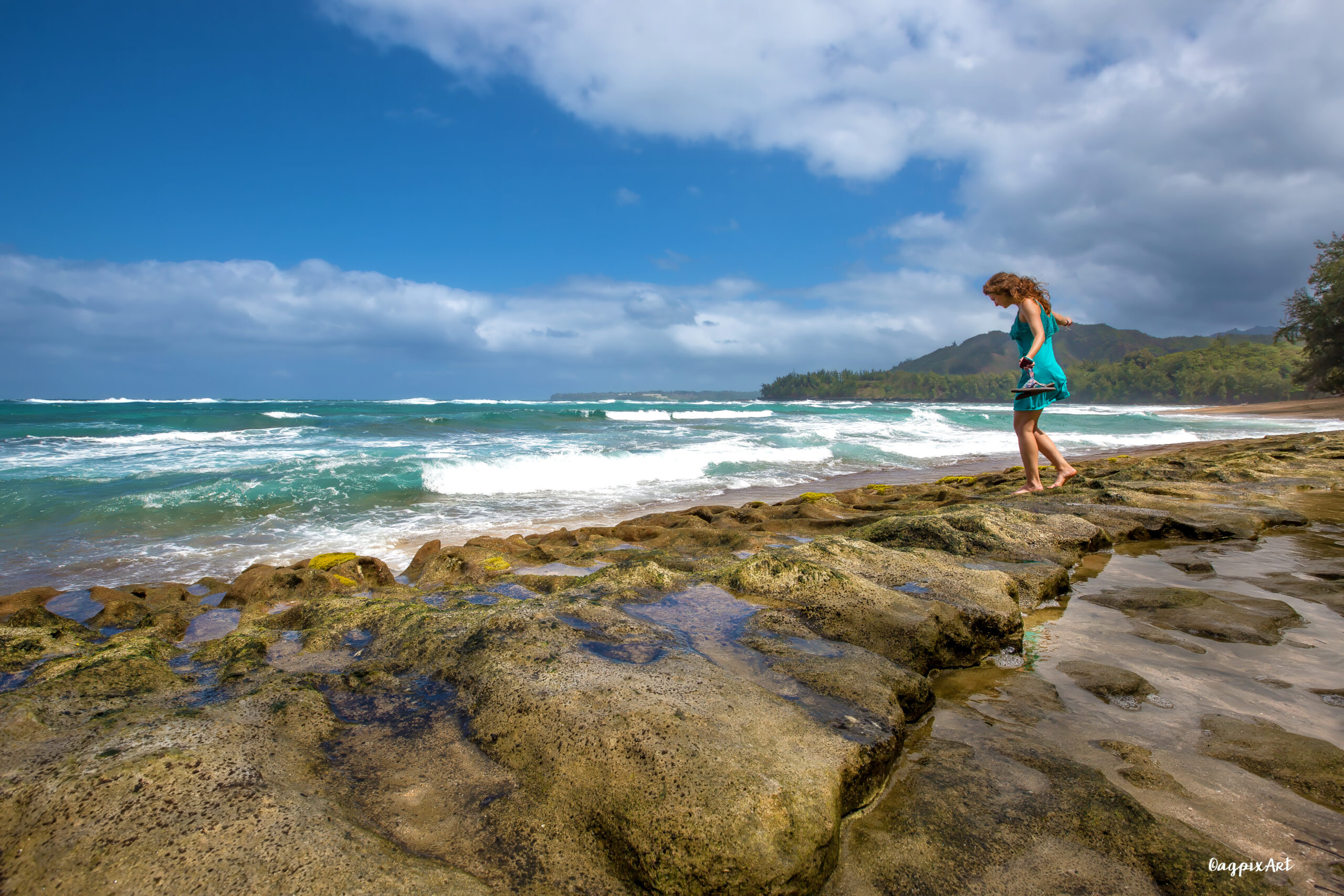
The “End of the Road” west of Hanalei on Kauai’s North Shore refers to the dramatic dead-end of Kuhio Highway (Route 560) at Haʻena State Park, where the pavement literally stops at the gateway to the legendary Na Pali Coast. This scenic, winding 10-mile stretch from Hanalei hugs the coast with one-lane bridges, lush jungle, waterfalls, and stunning beaches—culminating at Ke’e Beach, the farthest you can drive on the island. It’s nicknamed the “end of the road” for good reason: beyond here, only hiking trails (like the famous Kalalau Trail) continue along the rugged, roadless Na Pali cliffs.


Good To Know…
  • Kēʻē Beach: The Na Pali cliffs rise like dark green towers behind the golden sand, and a reef extending offshore creates a peaceful lagoon ideal for summertime swimming. Nearby is Kaulu Paoa Heia’u, said to have among the strongest vibrations of spiritual energy in the world, second only to Egypt.
  • Beware: No roadside parking (fines apply). Very fast to give you a ticket!
  • Fun Fact: Lumahai Beach was made legendary in the 1958 classic South Pacific, where Mitzi Gaynor famously “washed that man right out of her hair” on its shores.
  • Fun Fact: Rainbows are basically a daily special. Thanks to the misty mountains and frequent showers, double rainbows are super common.
How to Get There…
  • Drive west from Hanalei on Route 560—expect 7+ one-lane bridges. Yield etiquette: 5-8 cars at a time and friendly waves! Expect narrow curves, and epic scenery.
  • The drive from Princeville/Hanalei takes 30-50 minutes—go early for parking/shuttle spots.
  • Entry to Kēʻē Beach: Limited. Hard to get a parking pass with entry. Reservations for non-residents via gohaena.com up to 30 days ahead only. Easier to get a ticket on a shuttle from Hanalei but expensive if traveling with family.

The End of the Road – Beaches
treacherous. stunning
Lumahai Beach

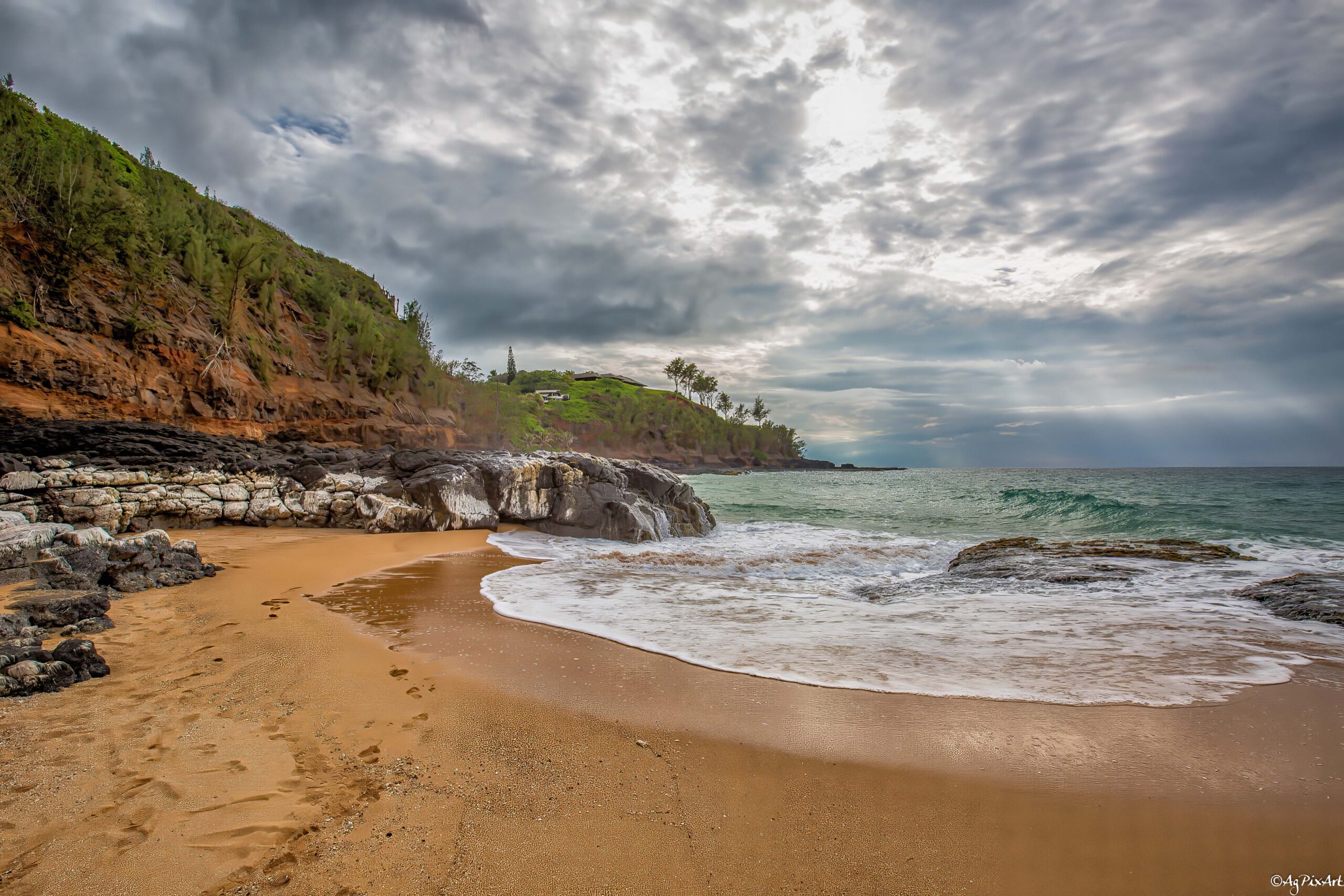
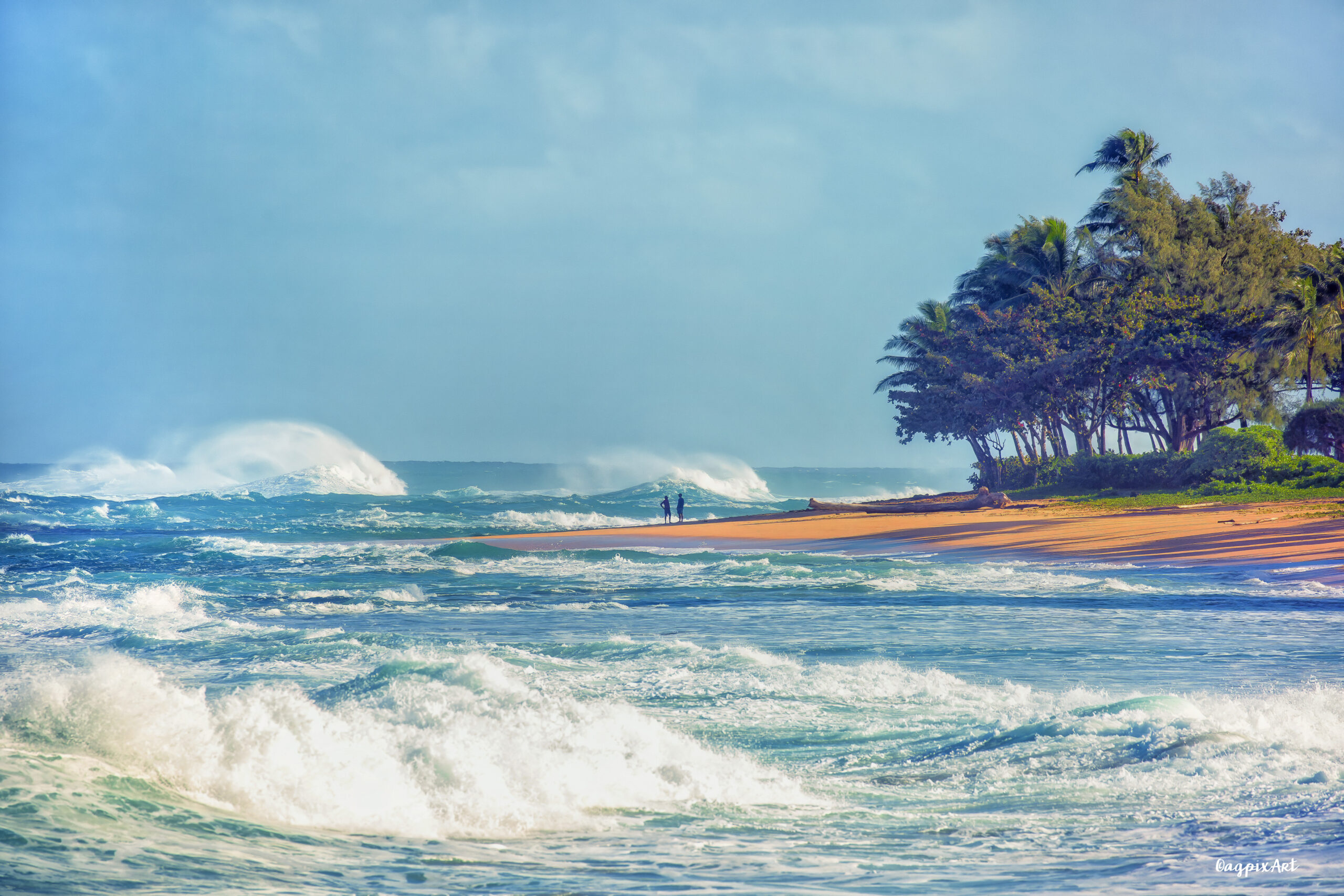
One of Kauai’s most iconic and photogenic stretches of sand on the North Shore—just a quick 2-3 mile drive west from Hanalei along Route 560. It is a curve of white sand nestled at the base of a dark lava cliff, with a giant lava rock jutting out of the turquoise sea just offshore. Keep in mind that the trek down from the road may take you through slippery mud. Rough sand for walking. No Lifeguard. Swimming can be very dangerous.
snorkeling. no parking
Tunnels Beach

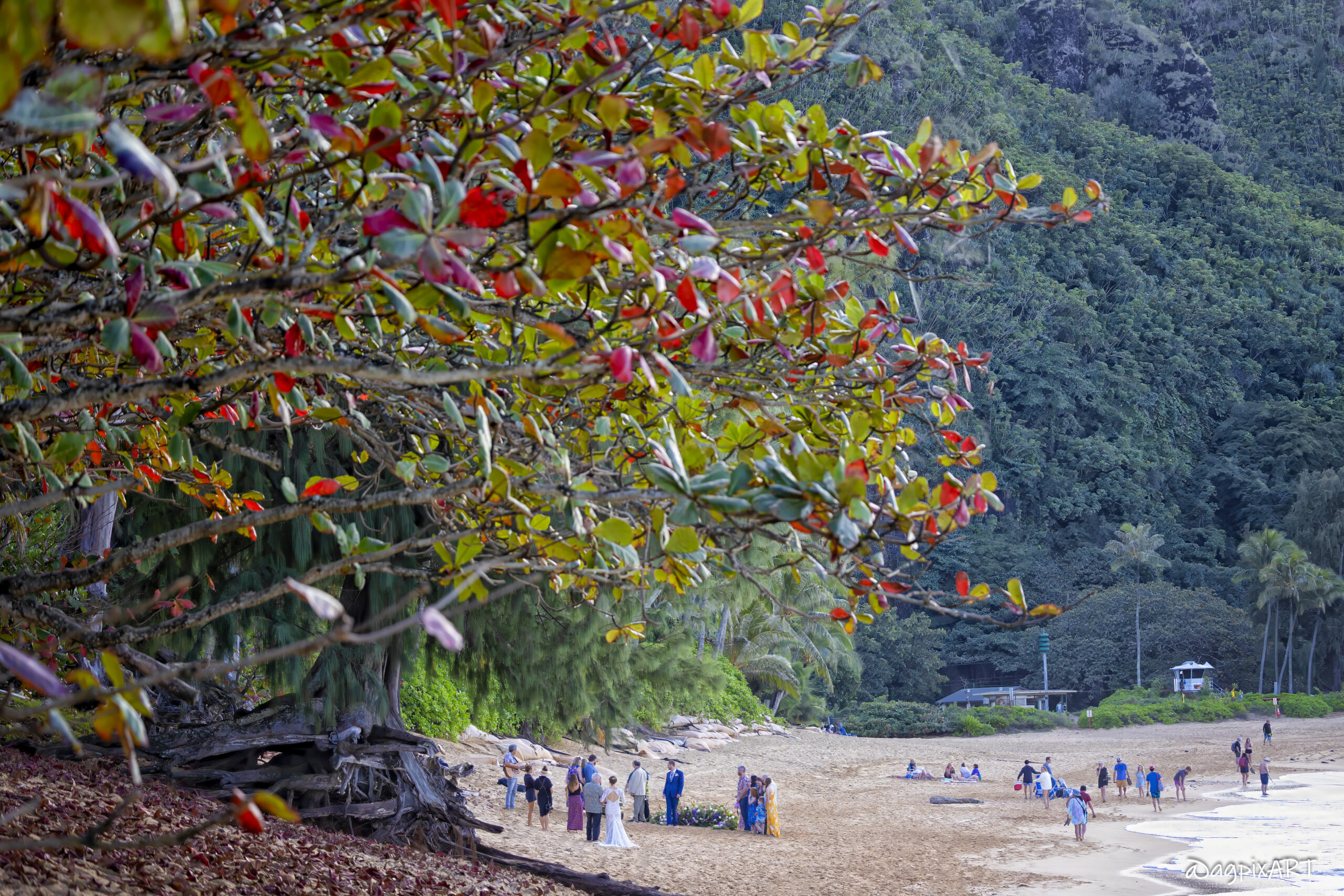
Named for the underwater lava tubes and caves (like natural “tunnels”), it’s widely regarded as best snorkeling spot —vibrant coral, colorful fish, and often sea turtles. It’s protected by two reefs, fringed by palms and backed by Mount Makana (“Bali Hai”). Always check the surf reports (strong currents likely), and plan any winter visits for times when surf is manageable, and preferably at low tide. Hard to find a parking spot, may have walk from Ha’ena beach.
Lifeguard. some Parking
Ha’ena Beach

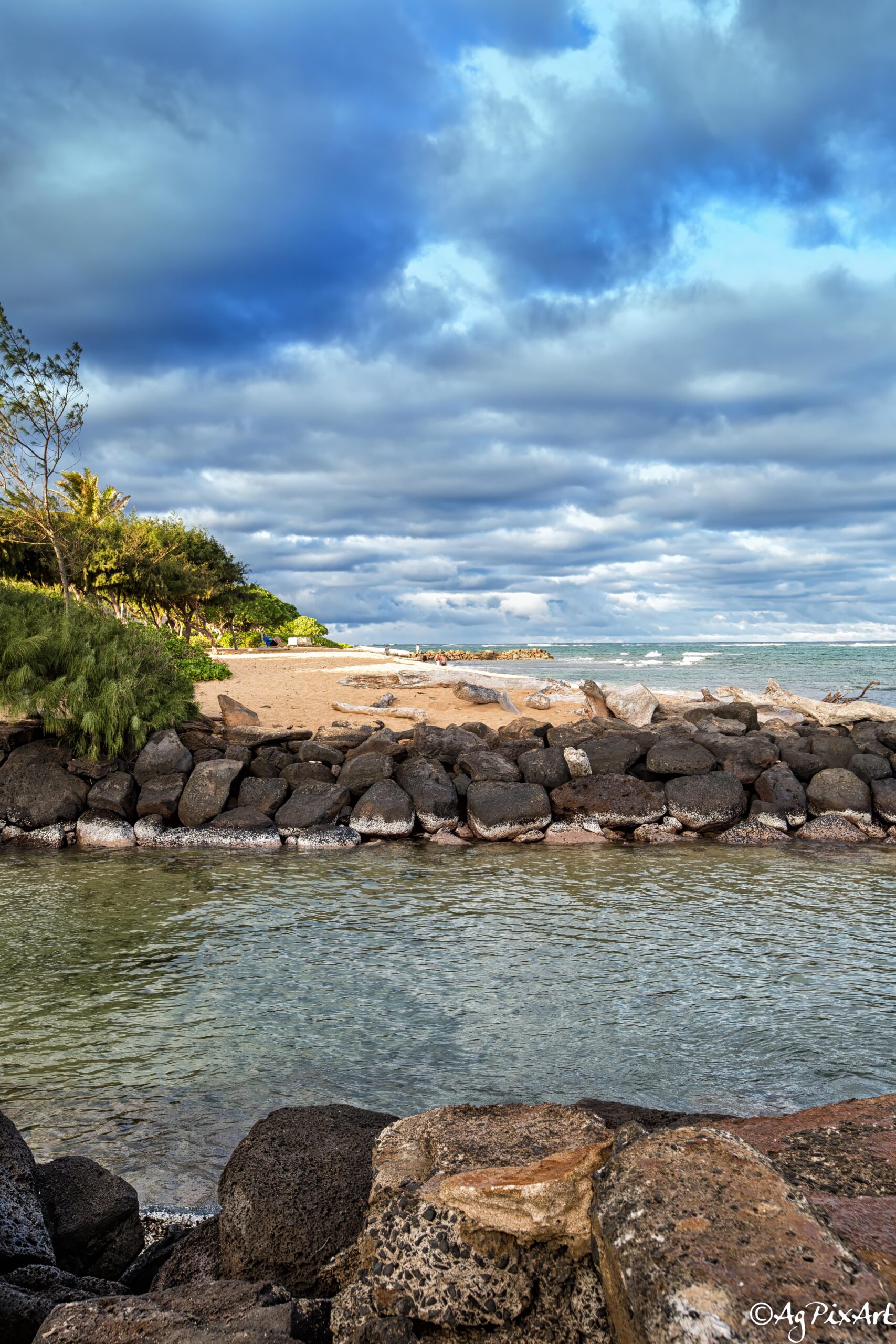
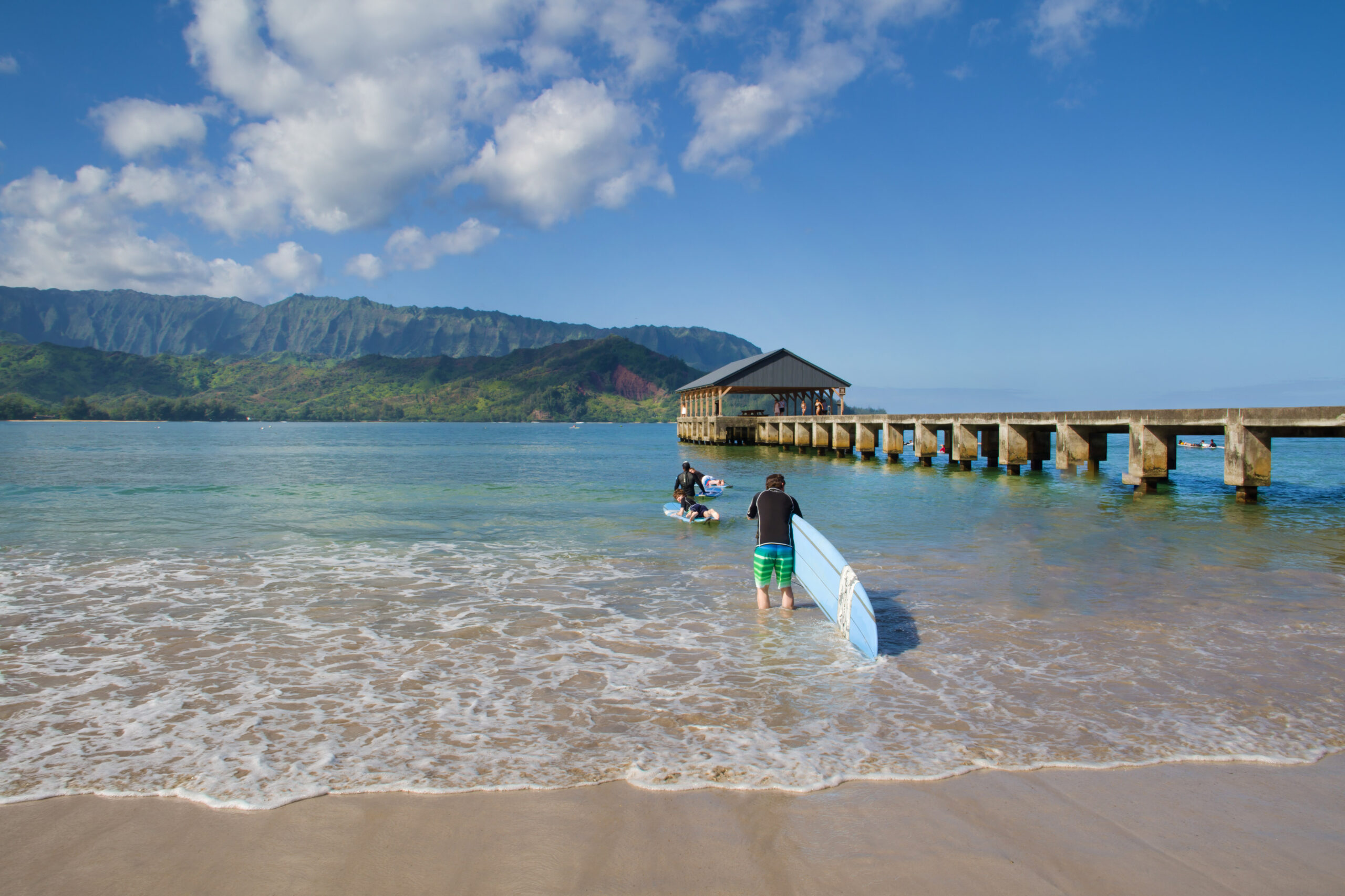
Past Tunnels is Ha‘ena Beach Park, a lovely golden sand beach. The reefs bordering both sides of the beach, named ‘Maniniholo’ after striped convict fish, can provide summertime snorkeling, swimming and rafting. During winter months, large waves can break right onto the beach, making swimming, even standing, hazardous. Restrooms, showers, picnic and barbecue facilities; camping by permit. Lifeguard. Parking limited but possible.
lagoon. snorkeling
Kēʻē Beach

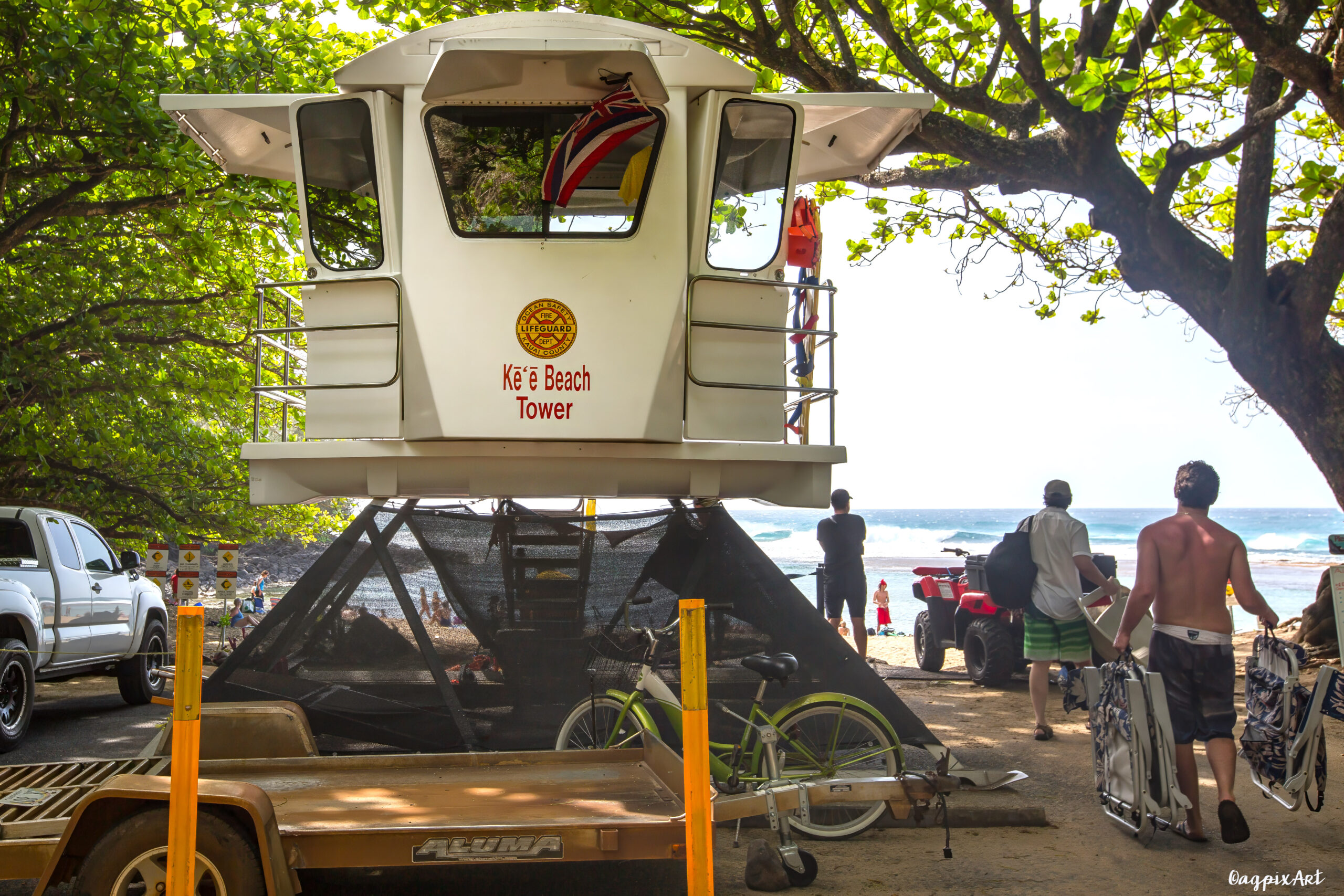
At the literal end, “Ke’e” means “avoidance” in Hawaiian, tied to legends of the goddess Pele chasing her lover Lohi’au here. It’s a protected lagoon perfect for summer snorkeling & swimming (calm inside the reef), with ancient heiau (shrines) nearby linked to the birthplace of hula. Believed to have strong vibrations of spiritual energy. Lifeguards on duty in summer; stay safe in winter swells! Need permit to access: gohaena.com up to 30 days ahead only.


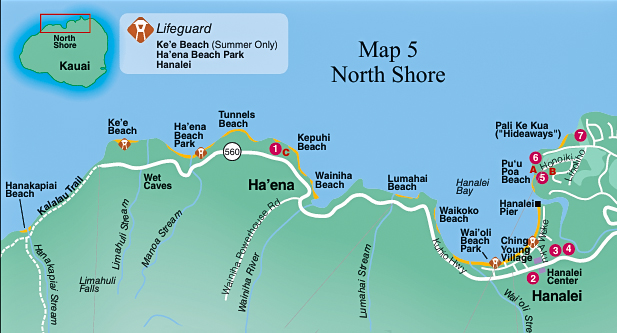
The End of the Road – Attractions, Info & Map

This crescent of golden-white sand, backed by lush greenery and volcanic cliffs, is a postcard-perfect paradise but dangerous. Keep in mind that the trek down from the road may take you through slippery mud (showers are frequent on the north), and the trip back up can be worse, especially if you have to carry a tired child. The setting for the Bali Hai scenes in South Pacific. No Lifeguard. No restrooms.

Popularly known as Tunnels Beach, Makua Beach has a large lagoon perfect for swimming because it is protected by two reefs, the outer reef is favored by surfers for perfectly formed arcs, and the inner reef is filled with cavities and crevices to explore for fish and sea life. Listen to the surf reports, and plan any winter visits for times when surf is manageable, and preferably at low tide. In calm conditions, bring the kids and let them paddle about on boogie boards while the older ones try their luck with mask and snorkel. If you see a monk seal lying on the beach, give it a wide berth. It’s probably exhausted, sleeping before heading out to sea. Seals don’t trust humans and need privacy to rest. No Lifeguard. No restrooms.

Past Tunnels is Ha‘ena Beach Park, a lovely golden sand beach. Reefs bordering both sides of the beach, named ‘Maniniholo’ after striped convict fish, can provide summertime snorkeling, swimming and rafting. During winter months, large waves can break right onto the beach, making swimming, even standing, hazardous. Restrooms, showers, picnic and barbecue facilities; camping by permit. Lifeguard. Parking limited but possible.

At the literal end, “Ke’e” means “avoidance” in Hawaiian, tied to legends of the goddess Pele chasing her lover Lohi’au here. It’s a protected lagoon perfect for summer snorkeling & swimming (calm inside the reef), with ancient heiau (shrines) nearby linked to the birthplace of hula. Believed to have strong vibrations of spiritual energy. Lifeguards on duty in summer; stay safe in winter swells! Need permit to access: gohaena.com up to 30 days ahead only.

Hanakapi’ai Beach (often spelled Hanakāpīʻai) is the stunning reward at the end of the first 2-mile section of the famous Kalalau Trail along Kauai’s wild Na Pali Coast. This remote golden-sand beach, backed by towering green cliffs and lush valleys, feels like a hidden paradise—but it’s also one of the most dangerous spots on the island due to powerful rip currents, shore break, and unpredictable waves. Swimming or even wading in the ocean here is strongly not recommended—year-round rip currents and high surf have claimed many lives (signs at the beach track drownings as a stark reminder).
The hike starts at Ke’e Beach. The trail is moderate-strenuous: ~4 miles round-trip (2 miles each way), with steady ups/downs, roots, rocks, and mud.

Maniniholo Dry Cave (also called Manini-holo Dry Cave) is a fascinating, easily accessible lava tube cave right across the street from Ha’ena Beach Park. This massive, dry cavern—formed thousands of years ago by ancient ocean waves eroding the volcanic rock when sea levels were higher—stretches about 150–300 feet deep into the base of the cliffs. It is wide and tall at the entrance (easy to walk in), but the ceiling lowers toward the back, with a sandy/rocky floor and natural light filtering in during the day (no flashlight needed for most of it, though one helps for deeper exploration).
Named after Maniniholo, the legendary chief fisherman of the menehune (Hawaii’s mythical little people known for their strength and nighttime building feats). According to lore, the menehune dug this cave while chasing an evil spirit (or thieves) that stole their fish from Ha’ena. As they tunneled through the rock, they created this huge opening in pursuit of justice! Geologically, it’s a former sea cave that became “dry” as the island rose and the ocean receded.

Limahuli Garden and Preserve is a breathtaking 1,000-acre botanical gem and cultural preserve on Kauai’s North Shore, just west of Hanalei, past Tunnels and Maniniholo Dry Cave, before Ke’e. Part of the National Tropical Botanical Garden (NTBG) network, it’s a puʻuhonua (place of refuge) dedicated to protecting rare and endangered native Hawaiian plants, restoring the land using ancient Hawaiian practices, and sharing Indigenous knowledge. The publicly accessible 17-acre garden sits in one of Hawaii’s most biodiverse valleys, with the remaining acres as a protected nature preserve.
Admission: ~$20 per person (self-guided); reservations often required.

Also spelled Ka Ulu Paoa is a sacred ancient Hawaiian heiau (stone temple) perched on the hillside above Ke’e Beach at the very end of the road in Haʻena State Park. The heiau honors Laka, the goddess of hula, forest, and fertility holding deep cultural significance as one of the legendary birthplaces of hula—the spiritual dance and chant tradition central to Hawaiian heritage. Ancient halau (hula schools) trained here in isolation, with students dedicating fully to their kumu (teacher) while learning chants, movements, and spiritual practices. Hawaiian lore says the volcano goddess Pele fell in love with the chief Lohi’au here, and Paoa (a skilled hula practitioner) performed hula to win her heart. The name “Kaulu Paoa” translates to “The Inspiration of Paoa,” celebrating this romantic and spiritual story. A nearby companion site, Kaulu-o-Laka (The Inspiration of Laka), completes the pair of hula heiau at the base of Mount Makana (Bali Hai). The archaeological remains include stone platforms and foundations outlining the heiau terrace—used for hula performances above the beach. It’s off-limits for climbing or entering (view from a distance only to respect its kapu/sacred status). Lei offerings and other items left by practitioners should never be disturbed.

This famous 11-mile (one-way) trail is one of the world’s most scenic (and challenging!) hikes—built in the late 1800s along ancient Hawaiian footpaths. The first 2 miles to Hanakapi’ai Beach are doable as a day hike (no permit needed beyond park entry), with waterfalls, valleys, and views that feel prehistoric (it’s been in films like Jurassic Park).

Nā Pali Coast State Wilderness Park (often called the Nā Pali Coast or Na Pali Coast State Park) is one of the most iconic and breathtaking natural wonders in Hawaii—a rugged, roadless 6,175-acre (2,499 ha) protected area spanning about 16 miles along Kauai’s dramatic northwest coastline. Towering sea cliffs (pali means “cliffs” in Hawaiian) rise up to 4,000 feet straight from the Pacific, with deep narrow valleys, lush rainforests, cascading waterfalls, and hidden beaches that make it feel like a prehistoric paradise. It’s the heart of Kauai’s wild beauty, featured in films like Jurassic Park and South Pacific, and a sacred place with ancient Hawaiian history dating back over 1,000 years. The coast is inaccessible by road—explore by hiking, boat, or helicopter!
Entry: Non-residents need advance reservations for Haʻena State Park (trailhead) via gohaena.com (parking ~$10 + entry fee, or shuttle ~$35 RT—book 30 days ahead, sells out fast!). Hawaii residents with ID get easier access.


Instructions for photo proofing and comments:

Left-click on the photo to access options for title information (i), leave comment, or mark the photo(s) as the favorite. The option to submit the selected as favorite photos is under “Submit proofs” button under photo gallery.

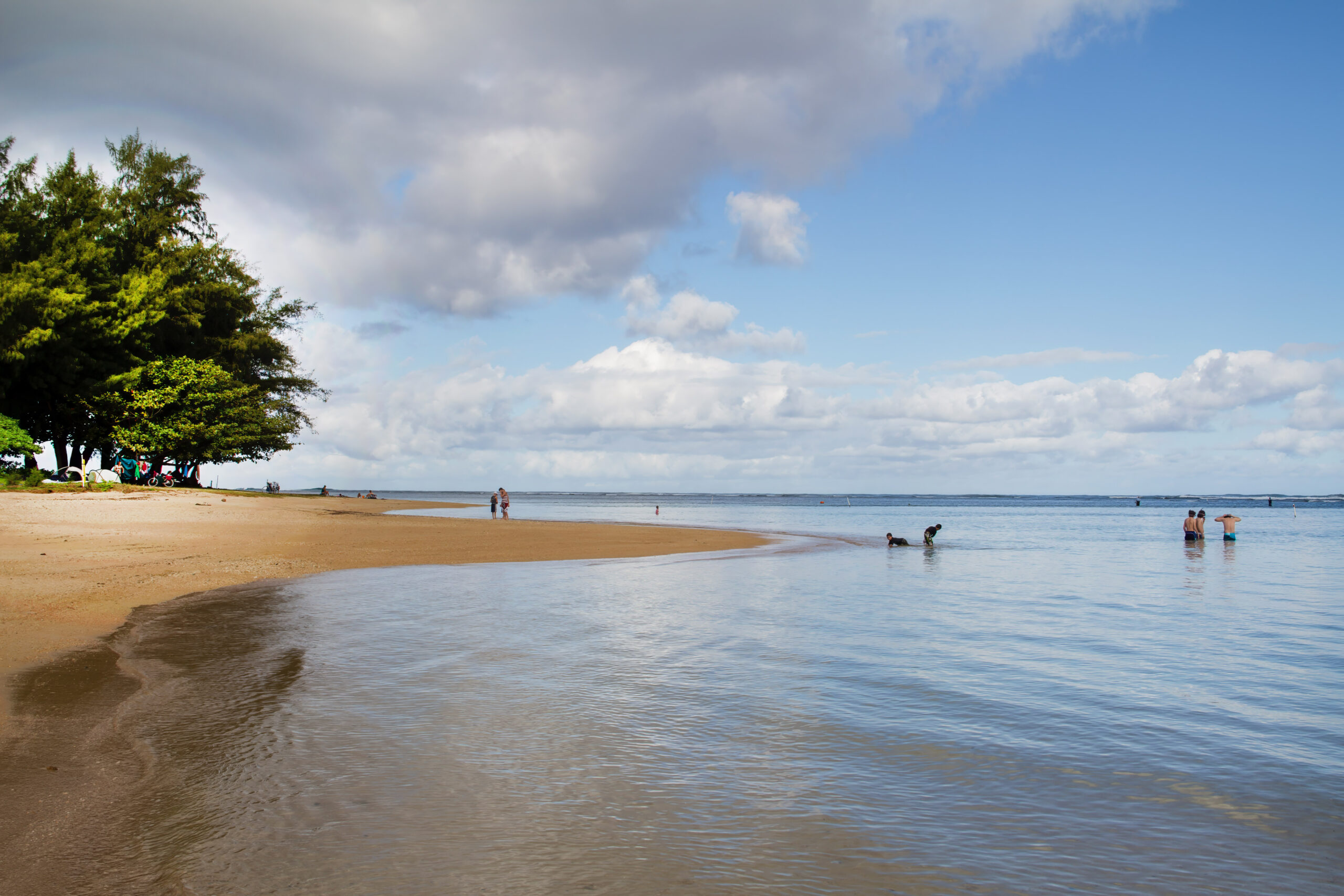
The End of the Road Photos
(Double Click on Photo)

Kauaʻi, HI – Key Regions & Attractions
The Garden Isle

Poʻipu to Waimea, South Shore
Waimea Canyon & West Shore

Home » Destinations » North America » Kauai, HI » West of Hanalei