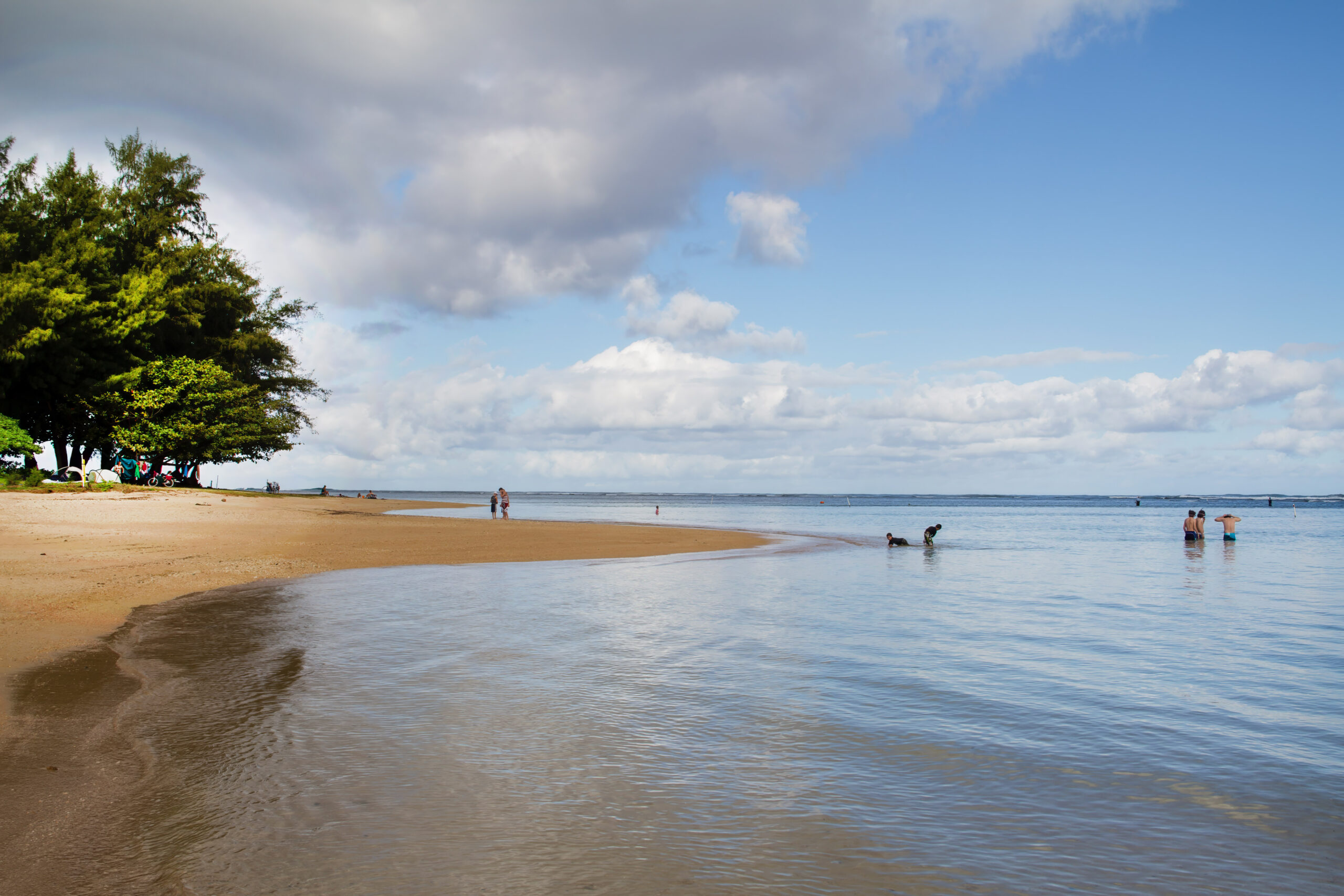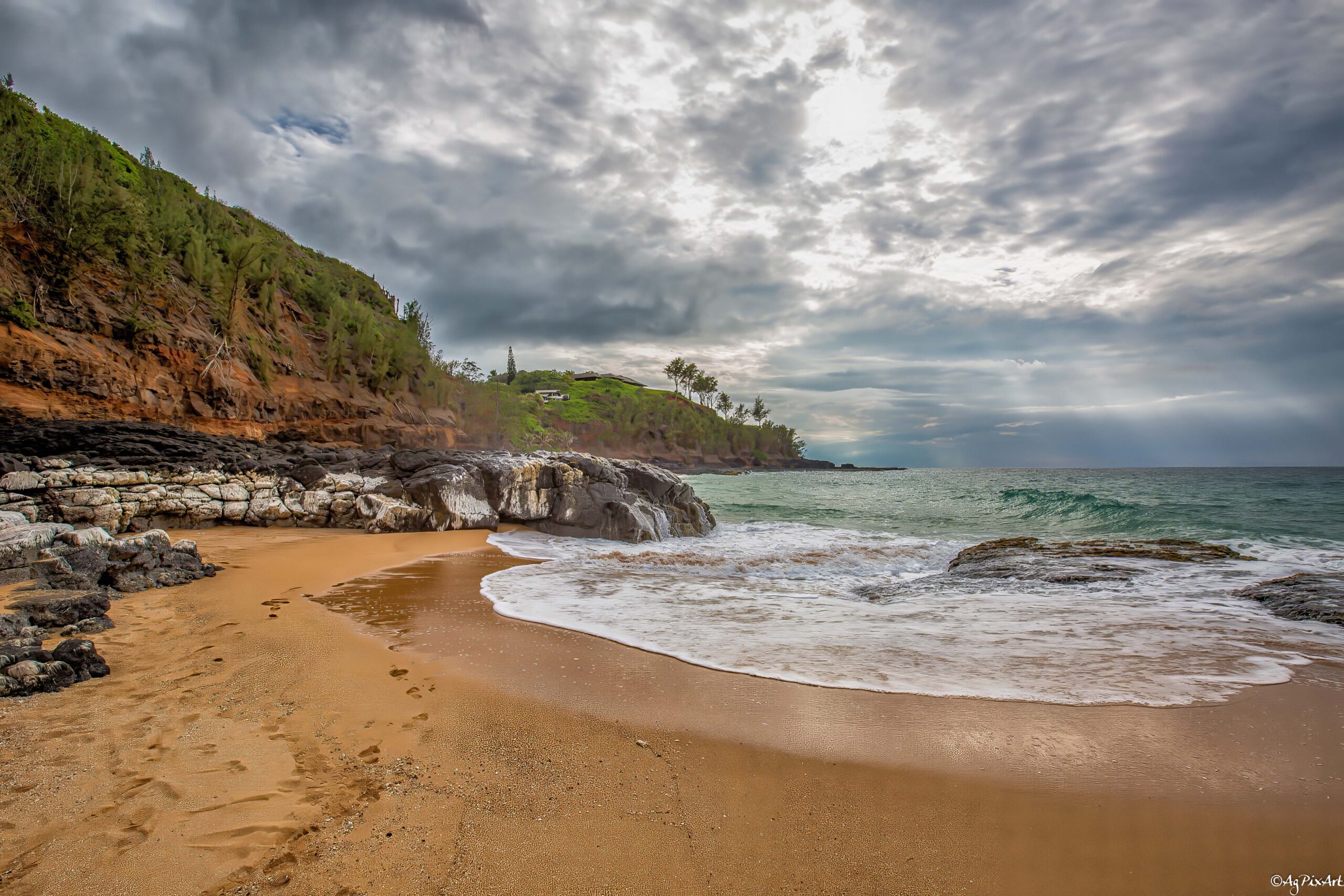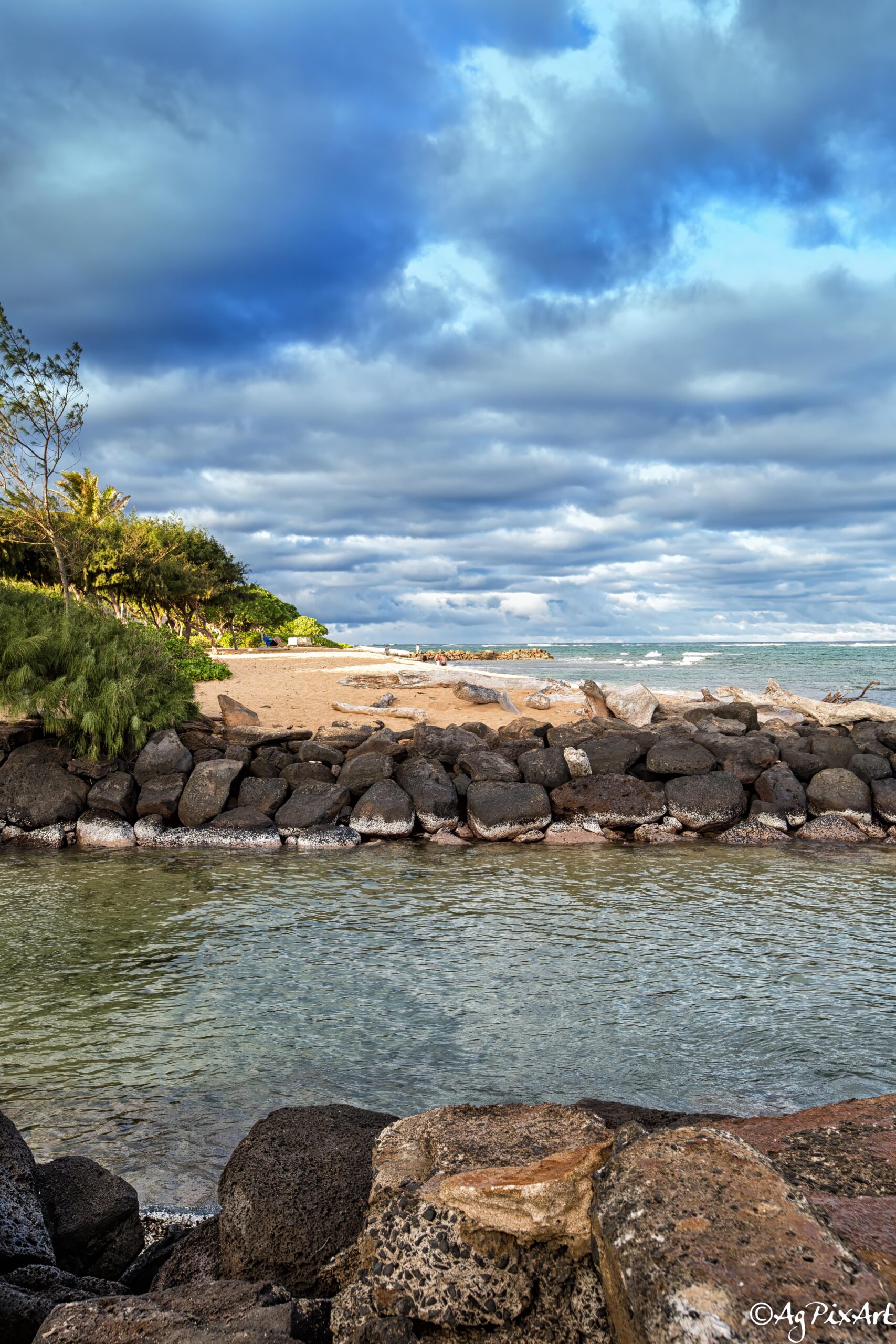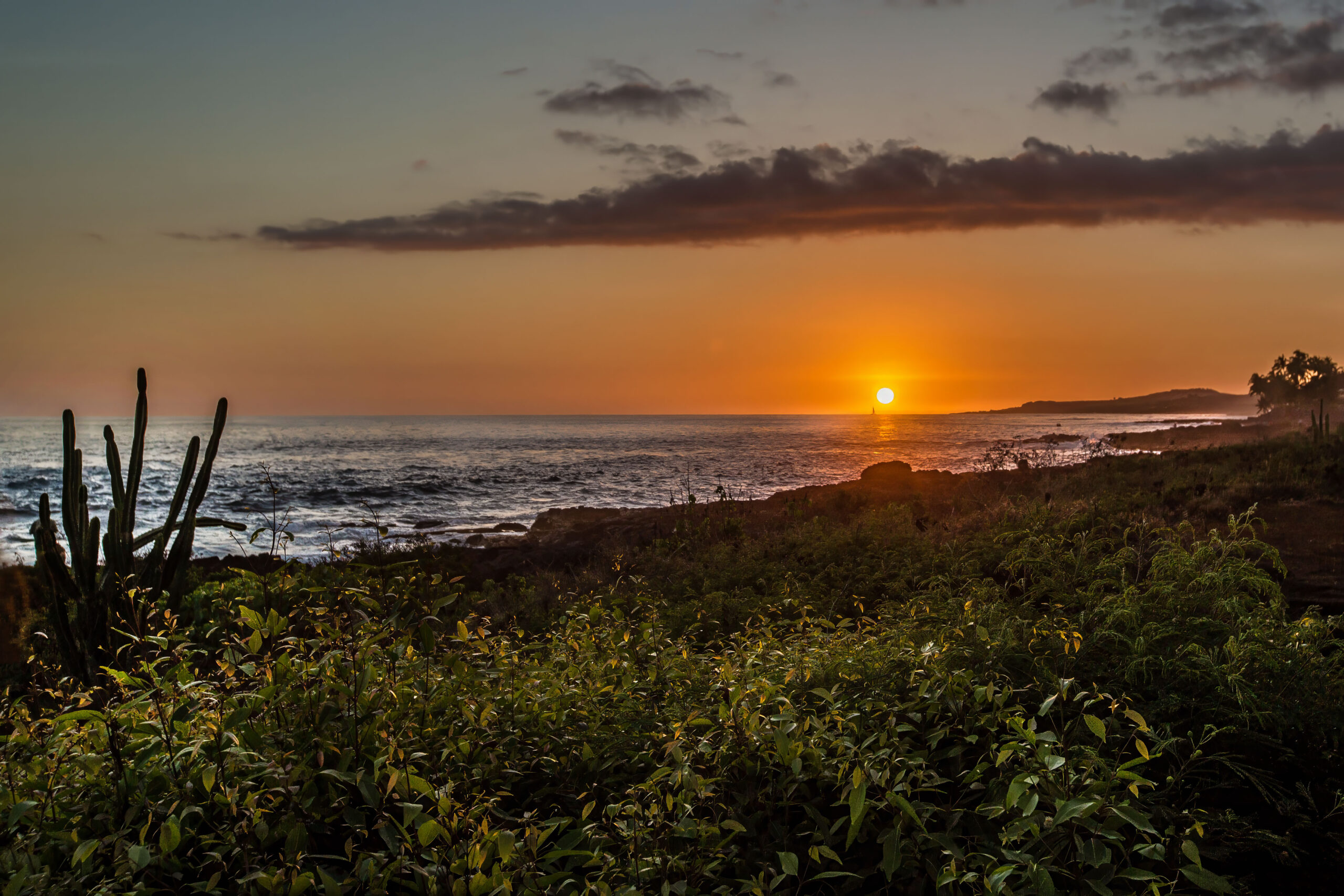
The West Shore Kauai

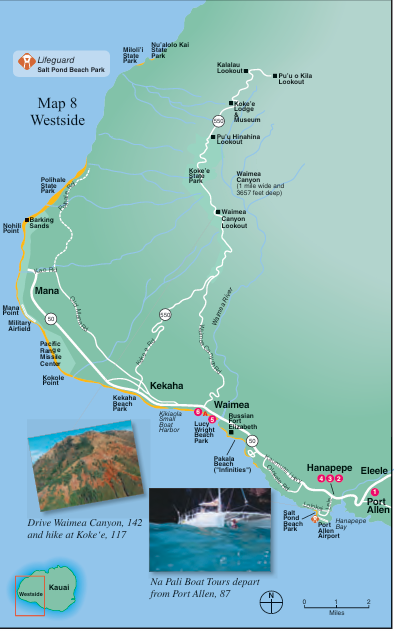
Kauaʻi’s West Shore is the island’s drier, more rugged, and least developed coastal region, stretching along the leeward (western) side from roughly Hanapēpē and Waimea town westward to the remote Polihale State Park.
Home » Destinations » North America » Kauai, HI » West Shore Kauai

Explore The West Shore of Kauai
The Leeward Side

The West Shore (also commonly called the West Side or West Kauai) of Kauaʻi is the island’s drier, more rugged, and least developed coastal region. It stretches along the leeward (western) side from roughly Hanapēpē and Waimea town westward to the remote Polihale State Park—the literal end of the road on the island’s west side.
This area feels worlds away from the resort-heavy South Shore or lush North Shore, with a raw, authentic Hawaiian vibe blending arid landscapes, vast beaches, historic towns, and epic canyon views.
It receives far less rainfall than the North or East Shores. It offers stunning natural contrasts: red-dirt canyons, long empty beaches, and distant Nāpali Coast glimpses.


Good To Know…
  • Family Note: Waimea Canyon lookouts are easy (no long hikes needed), Salt Pond is calm for kids; Polihale is remote/wild—better for older kids/adults.
  • Sunny & Dry: Year-round dry and sunny, but always check weather.
  • Best Time: Go early in the morning (start by 8–9 AM) for the clearest views at Waimea Canyon and Kōkeʻe—clouds, fog, and mist often roll in by midday or afternoon, obscuring vistas. Late afternoon can work for sunsets at Polihale or canyon overlooks, but visibility is less reliable.
  • Gateway to Waimea Canyon (“Grand Canyon of the Pacific”) and Kōkeʻe State Park (hiking, lookouts, and Nāpali views).
  • Film Location Trivia: Waimea Canyon’s iconic red-rock gorge appeared in Donovan’s Reef (1963), John Ford’s comedy-adventure starring John Wayne (canyon vistas and rugged terrain for outdoor scenes).
  • Film Location Trivia: Hanapēpē Town appeared in Flight of the Intruder (1991) (Vietnam-era military scenes adapted to the town’s architecture). Lilo & Stitch (2002) – influenced the look of some animated Hawaiian towns. The Thorn Birds (1983 miniseries) – standing in for Australian Queensland sugarcane country.
Practical Tips…
  • Access: Drive west on Kaumualii Highway (Route 50) from Poʻipū (~30–45 min to Waimea/Hanapēpē). For Polihale, continue to Mana and turn onto a rough dirt road (4×4 advised; check conditions). Fill up gaas in Kalaheo or Waimea town if driving toward Polihale.
Waimea Canyon & Kōkeʻe Tips…
  • Road Conditions: Waimea Canyon Drive (Route 550) is paved but winding with sharp curves, one-lane sections, and elevation gain (~4,000 ft)—drive slowly, stay in your lane, and pull over for faster vehicles. No major off-road needed here.
  • Parking & Fees: $10 per vehicle + $5 per person entrance fee (non-residents). Pay at kiosks.
  • Lookouts: Start at Waimea Canyon Lookout (first major one), then Pu’u Hinahina and Pu’u o Kila (at the end). These are drive-up with short walks—great views without long hikes.
  • Short Hikes: Iliau Nature Loop (0.3 miles, easy) or Canyon Trail to Waipo’o Falls (moderate, ~3–4 miles round-trip) if you want more. Wear sturdy shoes, bring water/snacks, and watch for drop-offs.

Top Attractions

The west shore is one of the island’s most scenic and remote areas—raw, dry, and full of dramatic landscapes.
dramatic.
Waimea Canyon State Park

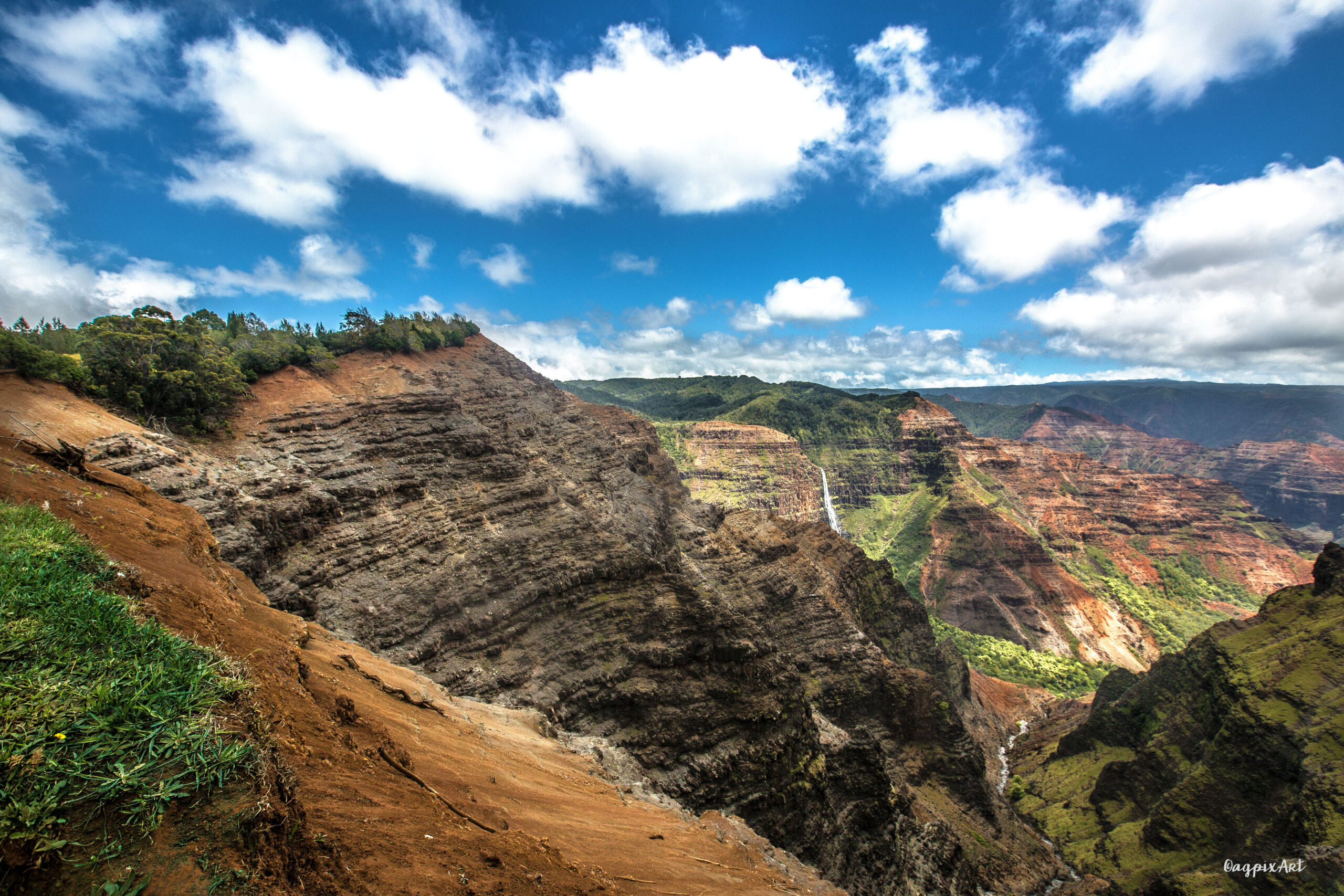
It is famously nicknamed the “Grand Canyon of the Pacific”, is one of Kauaʻi’s most spectacular natural wonders. This massive gorge, carved over millions of years by the Waimea River and heavy rainfall, stretches about 10 miles long, up to 1 mile wide, and plunges more than 3,000 feet deep. Its layered red, green, and brown cliffs, cascading waterfalls, and misty valleys create a dramatic, otherworldly landscape that rivals Arizona’s Grand Canyon, but with lush tropical vegetation and frequent rainbows.
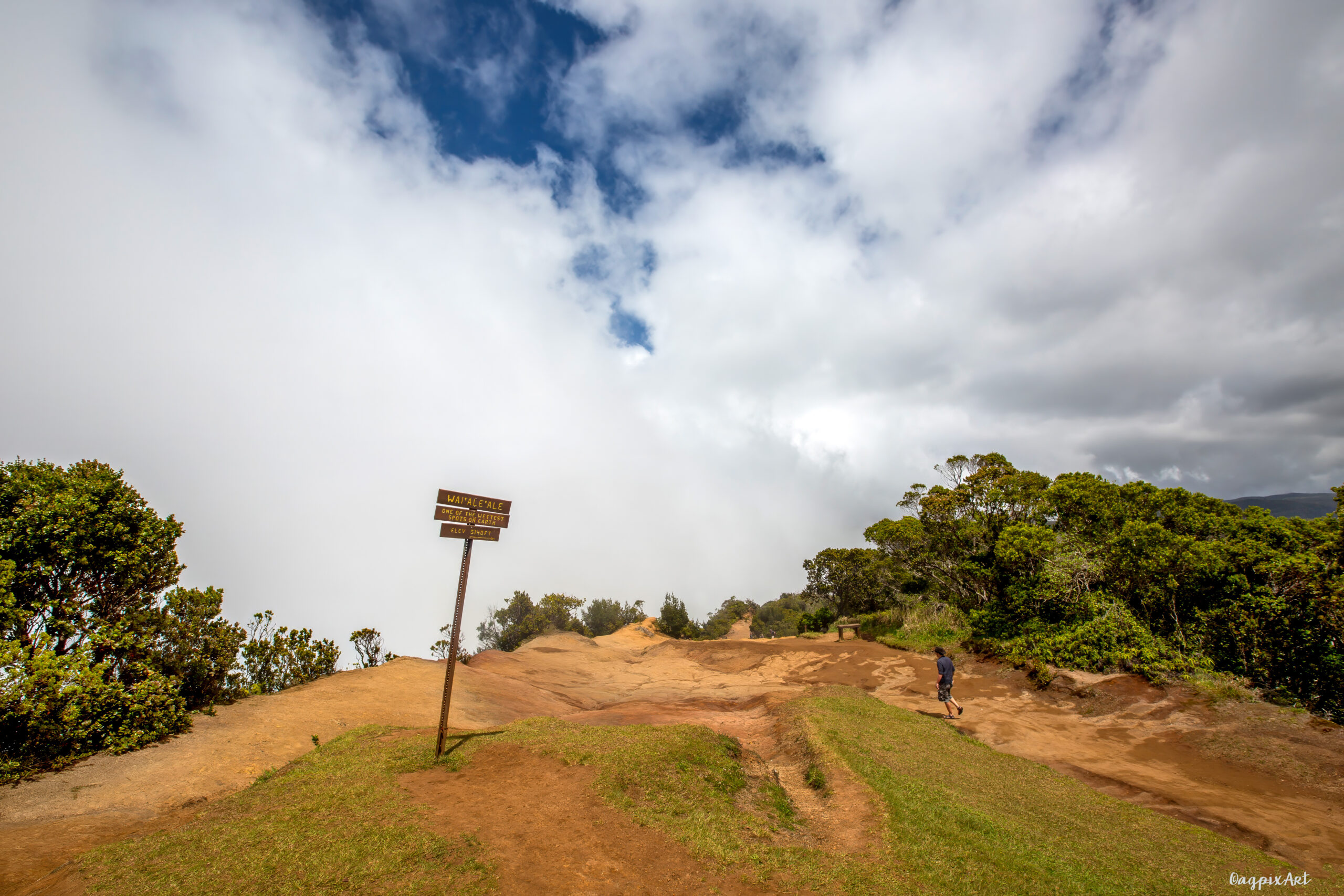
panoramic views. Hiking
Kōkeʻe State Park

Located at the top of Waimea Canyon Road (Route 550), Kōkeʻe State Park is one of Kauaʻi’s most breathtaking and rewarding natural areas. Perched at ~3,500–4,200 feet elevation, it sits above the dramatic Waimea Canyon and offers some of the best panoramic views of the Nāpali Coast, Kalalau Valley, and the rugged interior of Kauaʻi.
It’s a paradise for hikers, birdwatchers, nature lovers, and anyone seeking cooler mountain air and lush native forests after the heat of the coast.
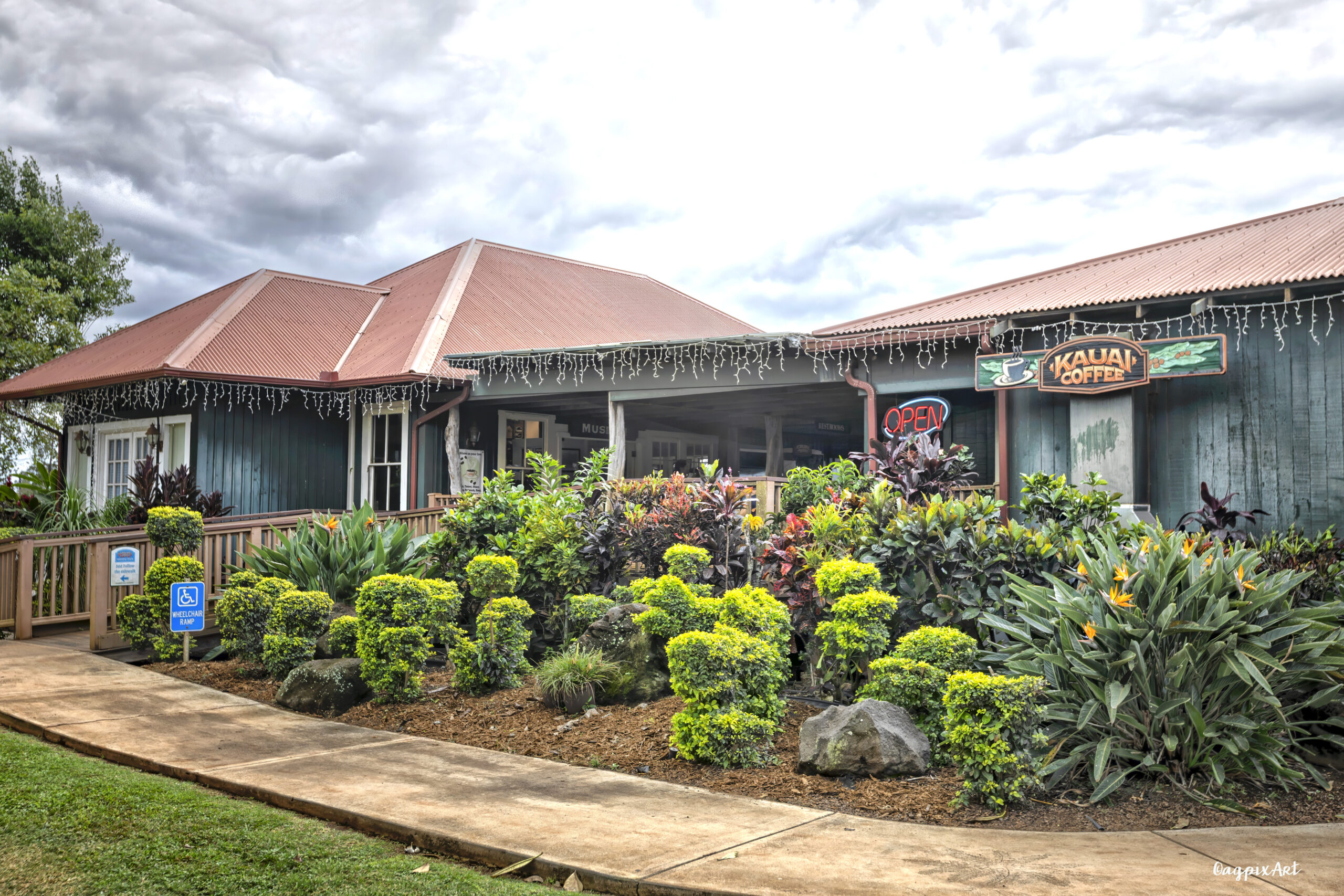
Free Tasting. Gardens
Kauai Coffee Estate

Kauai Coffee Estate (Kauai Coffee Company) is the largest coffee farm in the U.S. with over 4 million trees across 3,100 acres on the southwest side (near Kalaheo, between Poʻipū and Waimea). It’s the go-to spot for most visitors, offering free tastings, tours, and a deep dive into the process from seed to cup. It also offers a walk through beautiful gardens.
Location: 870 Halewili Road, Kalaheo, HI (~ 20–30 min. from Poʻipū). Exit from Hhwy 540 at the big sign.

West Coast Area Beaches
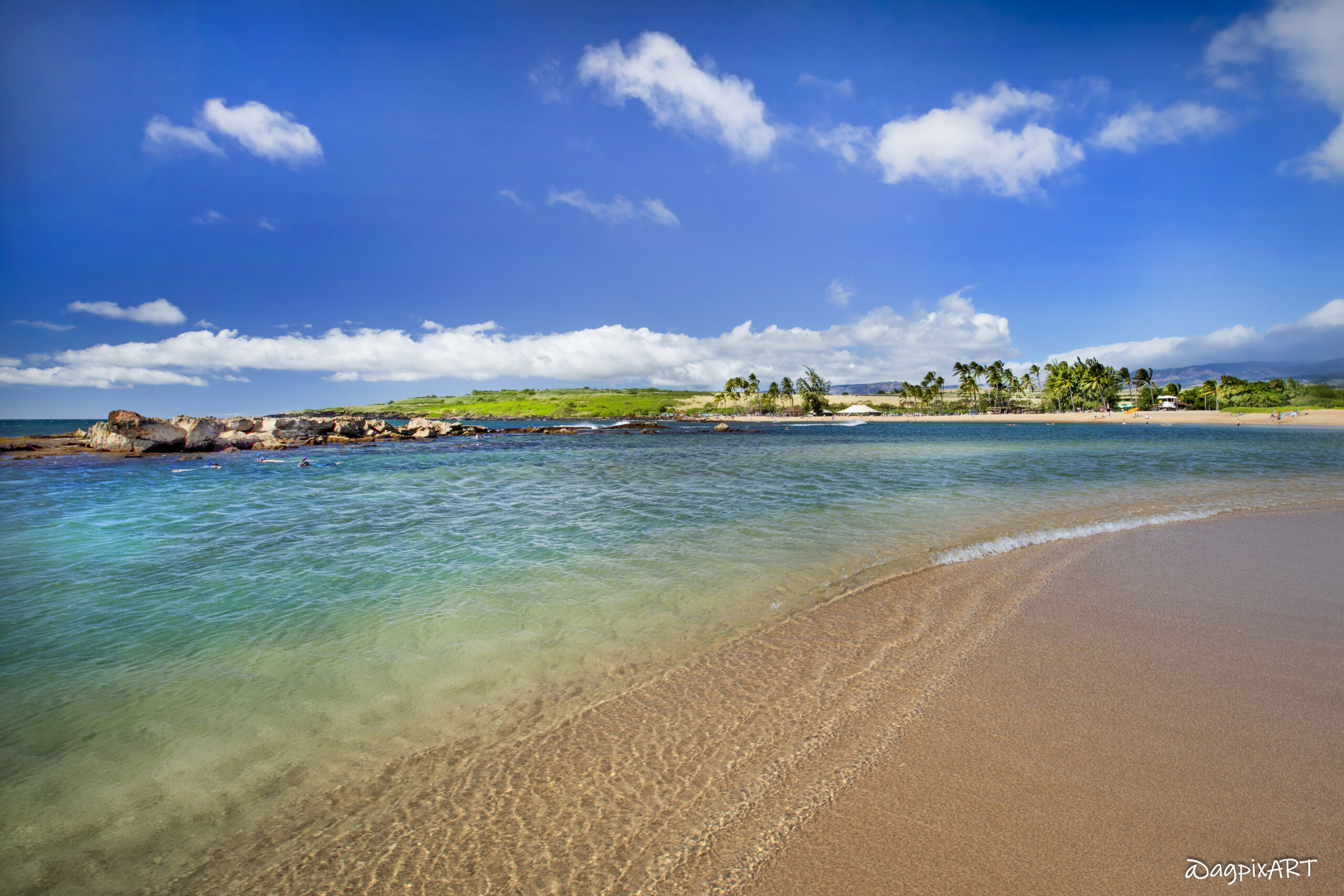
families. some snorkeling
Salt Pond Beach Park

This family-friendly beach near Hanapēpē is located west of Poʻipū. It’s a local favorite for its calm, protected waters. At both ends, tidepools are calm enough at low tide for babies and toddlers to enjoy safely, while older kids love watching the incoming tide splash over the rocks. Named for the traditional Hawaiian salt ponds (loʻi kai) is still used today by families to harvest sea salt. Parking, restrooms, outdoor showers, picnic tables/pavilions with grills, shaded grassy areas. Lifeguards are often present.
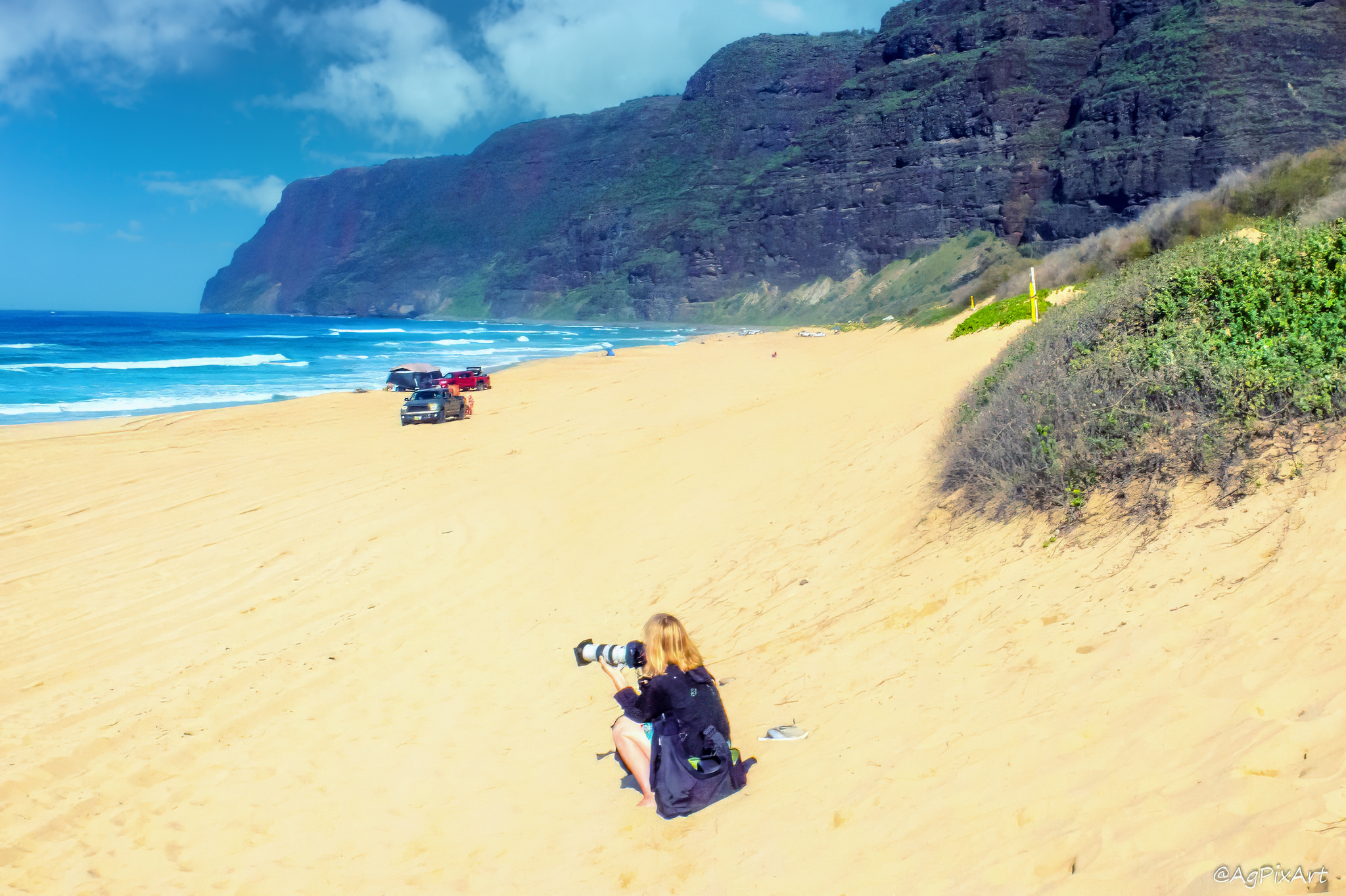
Dunes. solitude. sunsets
Polihale State Park

Polihale State Park is one of Kauaʻi’s most remote, and breathtaking beaches, often called the island’s “last frontier.” Located on the far West Shore, it’s a 17-mile-long stretch of pristine golden-white sand backed by towering sand dunes and the dramatic cliffs of the Nāpali Coast fading into the distance. On clear days, you can see Niihau (the “Forbidden Island”) across the channel, creating a surreal, untouched Hawaiian scene. 4×4/high-clearance vehicle strongly recommended (rough dirt road).
Local. walks
Kekaha Beach Park

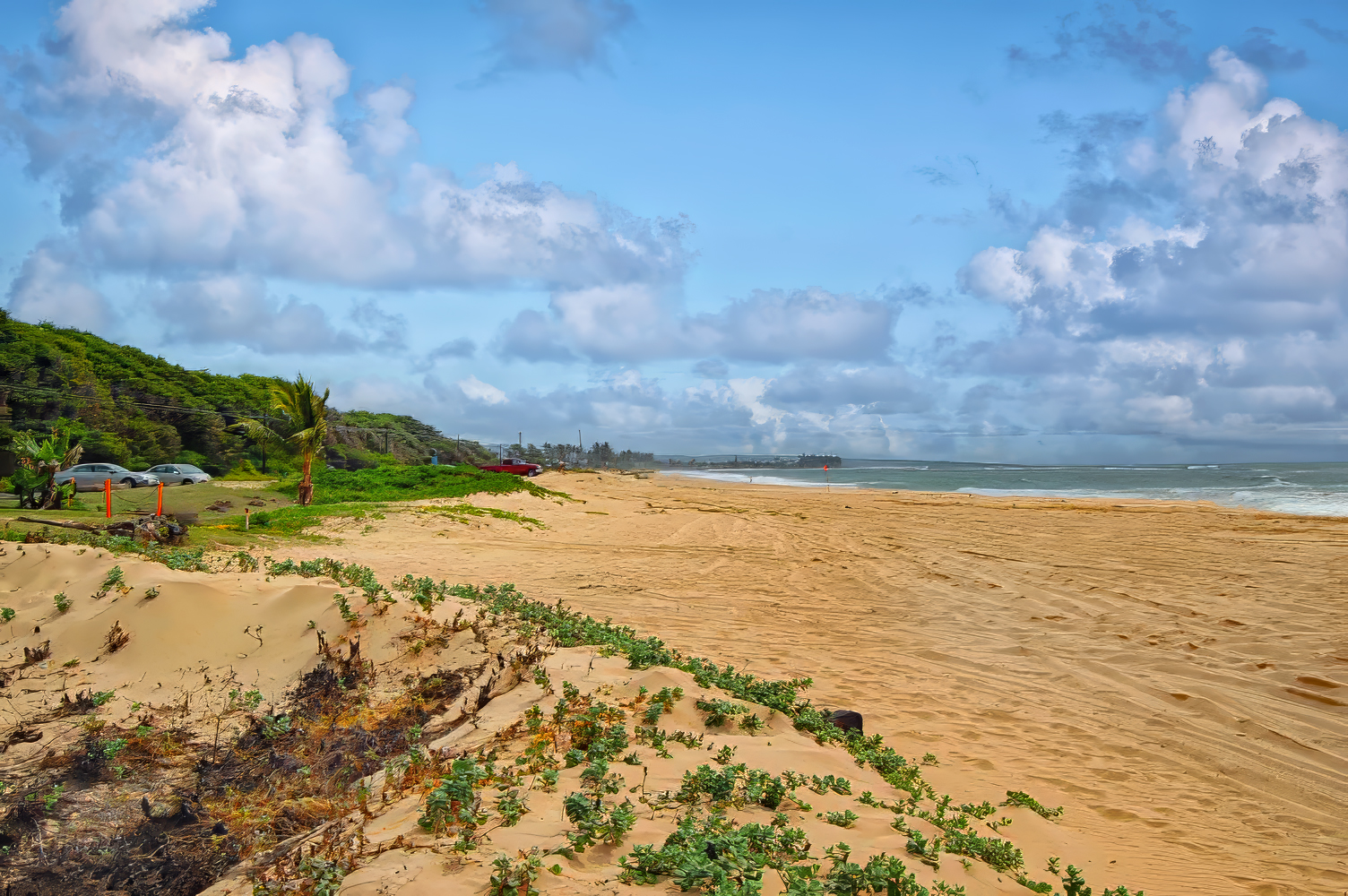
Kekaha Beach Park is a long, wide stretch of golden sand with open ocean views. It’s popular with locals for fishing, beachcombing, picnics, and sunset watching. Waves can be strong (good for experienced bodyboarding/surfing), but swimming is risky due to currents and shorebreak—no lifeguard. Great for relaxed walks and soaking in the quiet, uncrowded vibe.
Family Note: Good for quiet beach walks or picnics; less ideal for swimming with little kids.

Other Attractions/Activities
Rural. small
Kekaha

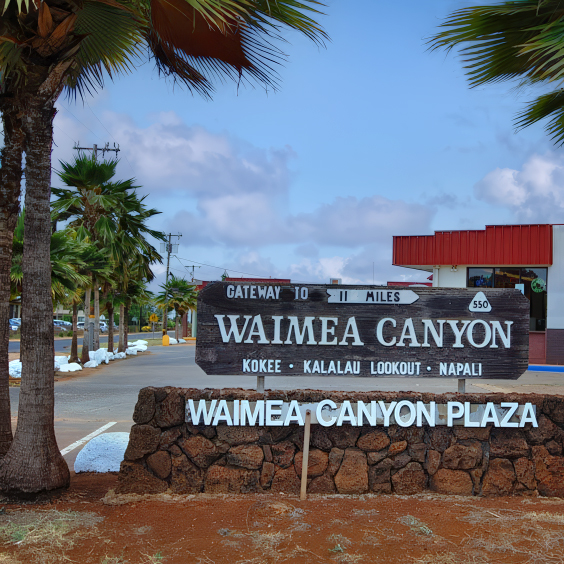
Kekaha is a quiet town, located along Kaumualii Highway (Route 50) just past Waimea town and before the road ends at Polihale State Park. With a population of around 3,700, it’s one of the most laid-back, local communities with a few small shops and a true “old Hawaii” feel. The town grew up around the Kekaha Sugar Company, established in 1898. Sugar operations ran strong until the mill closed in 2000 (after 102 years), marking the end of an era.

Charming. authentic
Hanapēpē Town

Located between Koloa and Waimea, Hanapepe is a charming, historic town, often nicknamed “Kauai’s Biggest Little Town” and the island’s art capital. It’s a preserved slice of old plantation Hawaii with colorful, vintage wooden storefronts, swinging bridge over the river, a laid-back vibe, and more galleries per square foot than anywhere else on the island. The colorful buildings, big trees, and red-dirt surroundings give it a timeless, photogenic feel.
tours to the Nāpali Coast
Port Allen

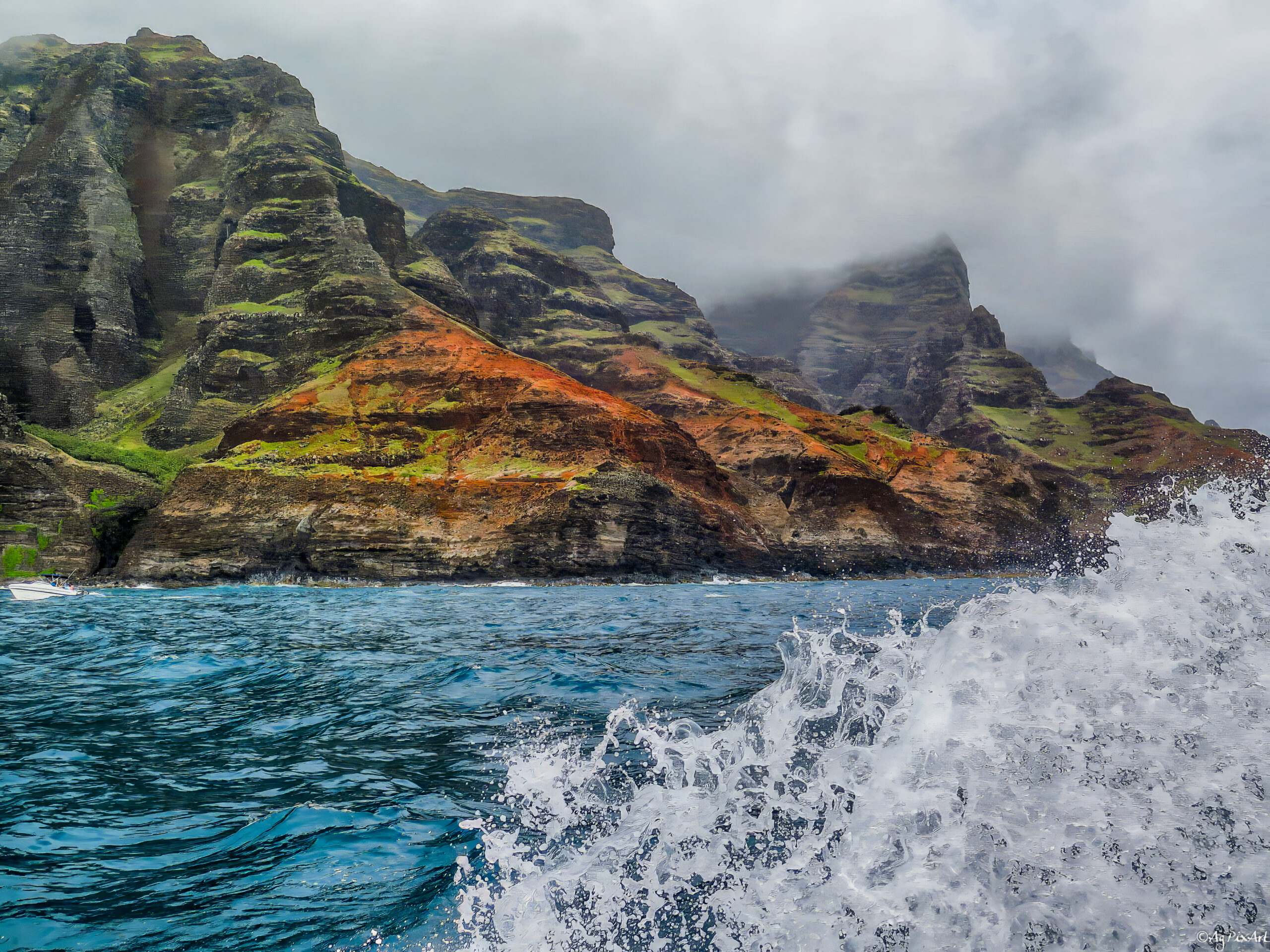
Port Allen is a small harbor and boat launch area about 15–20 minutes west of Poʻipū. It’s the main departure point for many of the island’s most popular boat tours to the Nāpali Coast, offering smoother, leeward waters compared to North Shore departures (like Hanalei). Reserve in advance (especially peak seasons)—most tours sell out. Most include gear, meals, and drinks. Duration: 4–6 hours typical.

Where to Eat Ideas – West Shore Area


The West Shore of Kauaʻi (Waimea, Hanapēpē, Kekaha areas) is quieter and more local than the resort-heavy South or East Shores, so dining options are fewer, more casual, and focused on authentic Hawaiian, local grinds, and fresh seafood.
local classic
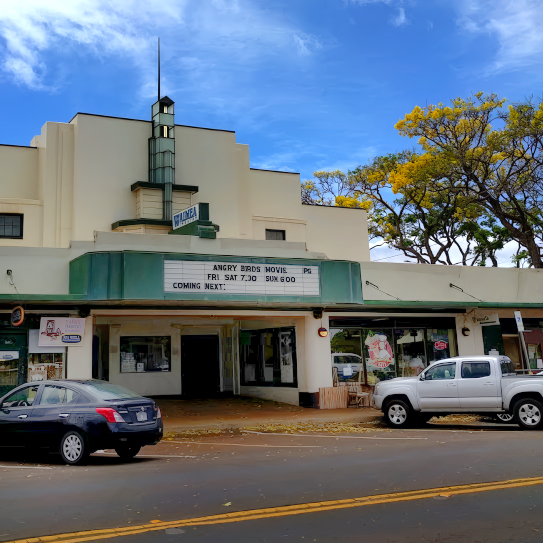
Hanapēpē Town

MCS Grill: Family-owned and known for its casual, comfort food, generous portions, and friendly local vibe.
Japanese Grandma’s Cafe: Cozy spot for authentic Japanese home-style cooking. Warm, family-run.
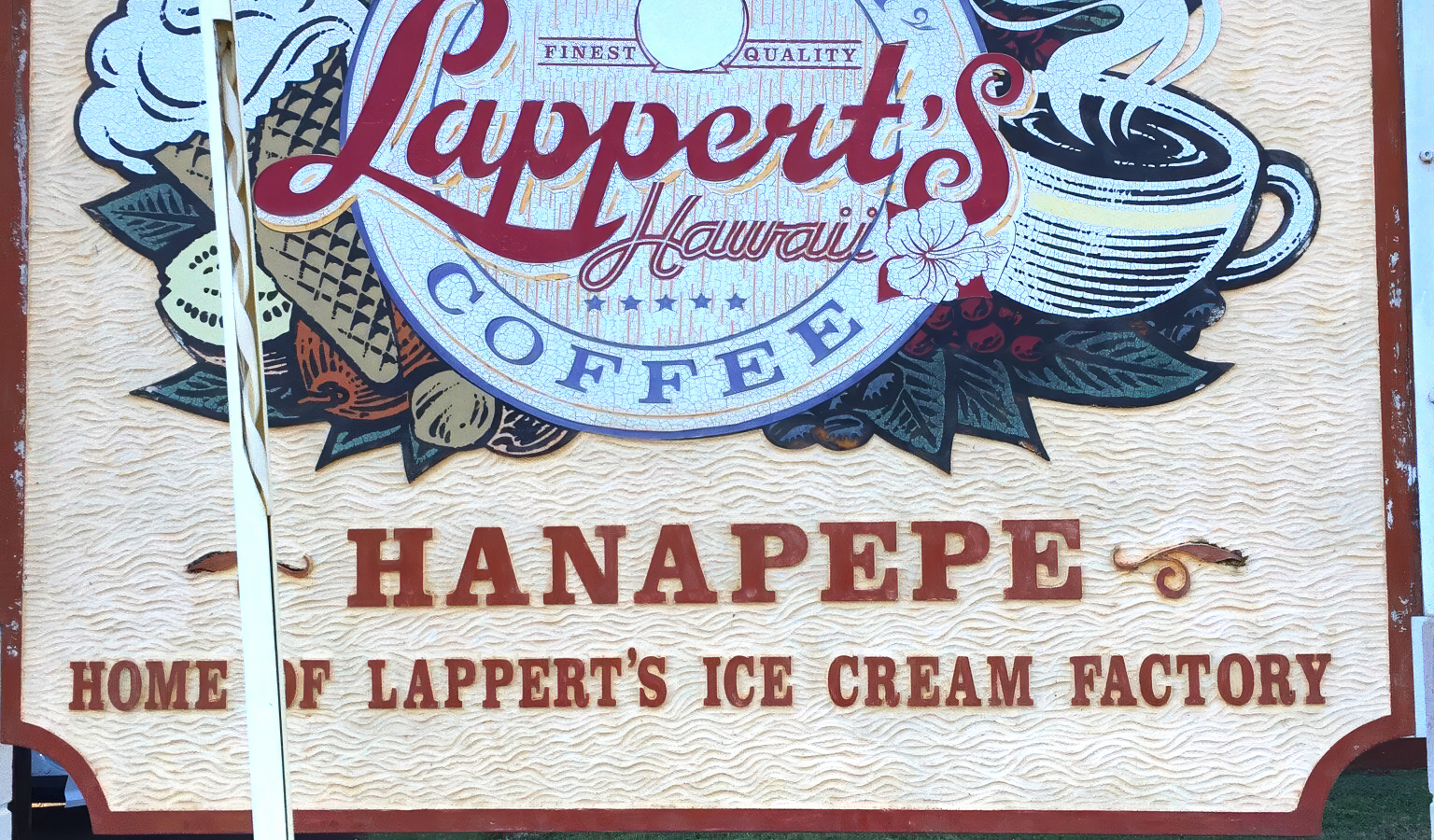
Lappert’s Hawaii: Ice cream shop that’s been making super-premium, small-batch treats since 1983. Kauai Pie is the most popular.
Comfort food
Waimea Town

Gina’s at Yumi’s: Breakfast, Lunch only. Take out. Known for its authentic Hawaiian and Asian-inspired comfort food and great value. 9691 Kaumualii Hwy, Waimea.
Waimea Canyon Lodge Restaurant (at the canyon entrance): Simple diner-style eats (burgers, sandwiches, breakfast) with canyon views. Convenient stop before or after the drive up.

limited
Kekaha Area

Very limited—mostly casual and takeout.
Kekaha Store or nearby markets:
Basic groceries and snacks; grab shave ice or plate lunches from small stands.

Da Imu Hut (Kekaha/Waimea area): Popular for traditional Hawaiian imu-roasted kalua pig, laulau, and poi plates—takeout-focused and highly authentic.


South Shore – Attractions, Info & Map

Waimea Canyon, famously nicknamed the “Grand Canyon of the Pacific”, is one of Kauaʻi’s most spectacular natural wonders. This massive gorge, carved over millions of years by the Waimea River and heavy rainfall, stretches about 10 miles long, up to 1 mile wide, and plunges more than 3,000 feet deep. Its layered red, green, and brown cliffs, cascading waterfalls, and misty valleys create a dramatic, otherworldly landscape that rivals (and often evokes) Arizona’s Grand Canyon, but with lush tropical vegetation and frequent rainbows.
Located on the west side of the island in Waimea Canyon State Park (adjacent to Kōkeʻe State Park), it’s a must-see for anyone exploring Kauai’s rugged interior—especially if you’re already heading to Polihale or Waimea town.

Kōkeʻe State Park is one of Kauaʻi’s most breathtaking and rewarding natural areas, located at the top of Waimea Canyon Drive (Route 550) in the West Side of the island. Perched at ~3,500–4,200 feet elevation, it sits above the dramatic Waimea Canyon and offers some of the best panoramic views of the Nāpali Coast, Kalalau Valley, and the rugged interior of Kauaʻi. It’s a paradise for hikers, birdwatchers, nature lovers, and anyone seeking cooler mountain air and lush native forests after the heat of the coast.
Lookouts & Views:
1. Pu’u o Kila Lookout — One of the best for Nāpali Coast and Kalalau Valley (often misty but magical when clear).
2. Kalalau Lookout — Stunning view into the 2,000-ft-deep Kalalau Valley and distant ocean.
3. Pu’u Hinahina Lookout — Sweeping canyon and distant Nāpali vistas.

Kōkeʻe Natural History Museum is a small but excellent visitor center and educational hub located in Kōkeʻe State Park at the top of Waimea Canyon Drive (Route 550) on Kauaʻi’s West Side. Operated by the nonprofit Hui o Laka, it serves as the perfect introduction to the park’s unique highland ecosystem, geology, native plants, birds, and cultural history.
Trail Information — Pick up free trail maps, current conditions, and advice for the park’s 45+ miles of hiking trails (from easy loops to strenuous canyon hikes).

Cabins available (book via hawaiistateparks.org), plus picnic areas with tables and grills. No food services in the park—bring snacks/water.

Polihale State Park is one of Kauaʻi’s most remote, wild, and breathtaking beaches—often called the island’s “last frontier.” Located on the far West Shore, it’s a 17-mile-long stretch of pristine golden-white sand backed by towering sand dunes and the dramatic cliffs of the Nāpali Coast fading into the distance. On clear days, you can see Niihau (the “Forbidden Island”) across the channel—creating a surreal, untouched Hawaiian scene.

Kekaha Beach Park — A long, wide stretch of golden sand with open ocean views. It’s popular with locals for fishing, beachcombing, picnics, and sunset watching. Waves can be strong (good for experienced bodyboarding/surfing), but swimming is risky due to currents and shorebreak—no lifeguard. Great for relaxed walks and soaking in the quiet, uncrowded vibe.
Best Time: Late afternoon for epic sunsets over the ocean and Niihau silhouette. Year-round sunny and dry.
Family Note: Good for quiet beach walks or picnics; less ideal for swimming with little kids (stronger waves/currents than South Shore coves).

Kekaha is a small, quiet town on Kauaʻi’s West Shore (also called the Southwest or Leeward side), located along Kaumualii Highway (Route 50) just past Waimea town and before the road ends at Polihale State Park. It’s one of the most laid-back, local-feeling communities on the island—far from the tourist resorts of Poʻipū or Princeville—with a population of around 3,500 and a true “old Hawaii” atmosphere.

Captain Cook’s Landing (also known as Cook’s Landing or Waimea Bay Landing) refers to the historic site on Kauaʻi’s West Shore where British explorer Captain James Cook first set foot in Hawaii on January 20, 1778—marking the first documented European contact with the Hawaiian Islands.
Exact spot: Near the Waimea River mouth where it meets the ocean, along the Waimea River channel (visible from the highway or nearby Waimea Pier). There is a small plaque and monument are near the river mouth, commemorating the event.
Cook arrived on his ship HMS Resolution during his third voyage, seeking the Northwest Passage. He was greeted by Native Hawaiians who paddled out in canoes, offering food and gifts (thinking he might be the god Lono).

Waimea on Kauaʻi’s West Shore is a historic, small town at the mouth of Waimea River and the gateway to Waimea Canyon (the “Grand Canyon of the Pacific”). It’s one of the island’s most culturally significant spots—quiet, local, and full of old Hawaii charm.
It is known for historic plantation-era buildings, small shops, local markets (Ishihara Market for poke/plate lunches), and a laid-back vibe. Try shave ice or banana bread from nearby spots.

Fort Elizabeth (also known as Russian Fort Elizabeth, Fort Elisabeth, or Pāʻulaʻula State Historical Park) is a fascinating historic site on Kauaʻi’s West Shore in Waimea, near the mouth of the Waimea River. It was built in 1817 by Native Hawaiians under the direction of German adventurer Georg Anton Schäffer (working for the Russian-American Company), the fort was part of a short-lived Russian attempt to establish a foothold in Hawaii. Schäffer allied with High Chief Kaumualiʻi (ruler of Kauaʻi) to challenge King Kamehameha’s control. Named after Tsarina Elizabeth (wife of Russian Emperor Alexander I), the star-shaped stone fort was never used in battle by Russians—it was constructed and staffed exclusively by Hawaiians. It later served the Kingdom of Hawaii until the mid-19th century and is the last remaining Native Hawaiian fort in the islands.
Location: Southeastern shore of Waimea River mouth, off Kaumualii Highway (Route 50), just southeast of Waimea town (easy pull-off). Free access.

Pakala Beach (also known as Infinities or Pakala’s) is a secluded, locals-favorite beach on Kauaʻi’s Southwest Shore, located just west of Waimea town along Kaumualii Highway (Route 50), near mile marker 15–16. It’s a quiet, uncrowded spot with a long stretch of golden sand and a distinctive ironwood grove that gives it a peaceful, shaded feel. Gentle waves make it suitable for wading or light bodyboarding; occasional small surf for beginners. Snorkeling is decent near the edges on flat days (some fish, coral, and possible turtles). It offers excellent natural shade from the dense ironwood trees—rare on the drier West/Southwest side, making it more comfortable than exposed beaches like Kekaha or Polihale. Amenities are limited—free roadside parking (small pullout), no lifeguard, no restrooms/showers. Bring everything (water, shade if needed, trash bag).

It is a family-friendly beach park near Hanapēpē town, just west of the resort area in Poʻipū. It’s a local favorite for its calm, protected waters, scenic setting. It is named for the traditional Hawaiian salt ponds (loʻi kai) still used today by families to harvest sea salt. Parking, restrooms, outdoor showers, picnic tables/pavilions with grills, shaded grassy areas. Lifeguards are often present (check daily).

Located between Koloa and Waimea, Hanapepe (properly Hanapēpē with the Hawaiian ʻokina) is a charming, historic small town, often nicknamed “Kauai’s Biggest Little Town” and the island’s art capital. It’s a preserved slice of old plantation Hawaii with colorful, vintage wooden storefronts, a laid-back vibe, and more galleries per square foot than anywhere else on the island. The town has stayed authentic—used as a filming location for movies like “The Thornbirds” and “Flight of the Intruder”, and it inspired the fictional setting in Disney’s “Lilo & Stitch” (Disney fans spot subtle nods, like murals or the overall look).
Main Street Stroll — Walk the historic Hanapepe Road lined with galleries, boutiques, bookstores (don’t miss Talk Story Bookstore, the westernmost independent bookstore in the U.S.), cafes, and local shops selling art, crafts, jewelry, and Hawaiian goods. The colorful buildings, big trees, and red-dirt surroundings give it a timeless, photogenic feel.

A short walk from town, this iconic 1911 pedestrian suspension bridge crosses the Hanapepe River. It sways as you cross (fun thrill!), with beautiful views of the valley, river, and red cliffs—quick, free, and photogenic.

Port Allen is a small harbor and boat launch area on Kauaʻi’s Southwest Shore (near Eleʻele, about 15–20 minutes west of Poʻipū). It’s the main departure point for many of the island’s most popular boat tours to the Nāpali Coast, offering smoother, leeward waters compared to North Shore departures (like Hanalei). From here, you’ll cruise along Kauai’s stunning western coastline, past Waimea and Polihale, to reach the dramatic cliffs, sea caves, waterfalls, and beaches of the Nāpali Coast—often with stops for snorkeling, wildlife spotting (dolphins, sea turtles, seabirds), and meals.
Top Boat Tours from Port Allen:
1) Capt Andy’s Kauai Boat Tours — Often voted #1 for Nāpali Coast tours.
2) Holo Holo Charters — Specializes in Nāpali and Niʻihau (Forbidden Island) combos.
3) Blue Dolphin Charters — Largest catamarans on Kauai (65-ft).
4) Kauai Sea Tours — Catamaran and raft options.
5) Captain J’s Kauai Offshore Adventures — Super raft tours (fast, thrilling).
Reserve in advance (especially peak seasons)—most tours sell out. Prices range $200–$300+ per adult (kids discounted); includes gear, meals, drinks. 4–6 hours typical (morning snorkel or afternoon sunset).


Kauai Coffee Estate (Kauai Coffee Company) is the largest coffee farm in the U.S. with over 4 million trees across 3,100 acres on the southwest side (near Kalaheo, between Poʻipū and Waimea). It’s the go-to spot for most visitors, offering free tastings, tours, and a deep dive into the process from seed to cup. Location: 870 Halewili Road, Kalaheo, HI (~ 20–30 min. from Poʻipū). Exit from Hhwy 540.


Instructions for photo proofing and comments:

Left-click on the photo to access options for title information (i), leave comment, or mark the photo(s) as the favorite. The option to submit the selected as favorite photos is under “Submit proofs” button under photo gallery.

West Shore Photos
(Double Click on Photo)

Kauaʻi, HI – Key Regions & Attractions
The Garden Isle


Home » Destinations » North America » Kauai, HI » West Shore Kauai