New Zealand

New Zealand is an island country in the southwestern Pacific Ocean, known for its dramatic landscapes consisting of two main islands, the North Island and South Island plus over 600 smaller islands. It’s the sixth-largest island country by area, located about 1,600 km (1,000 miles) southeast of Australia across the Tasman Sea.
Explore by Island Drive & Where-to-Stay Ideas
Home » Destinations » Pacific Islands » New Zealand

New Zealand
Aotearoa, Land of the Long White Cloud

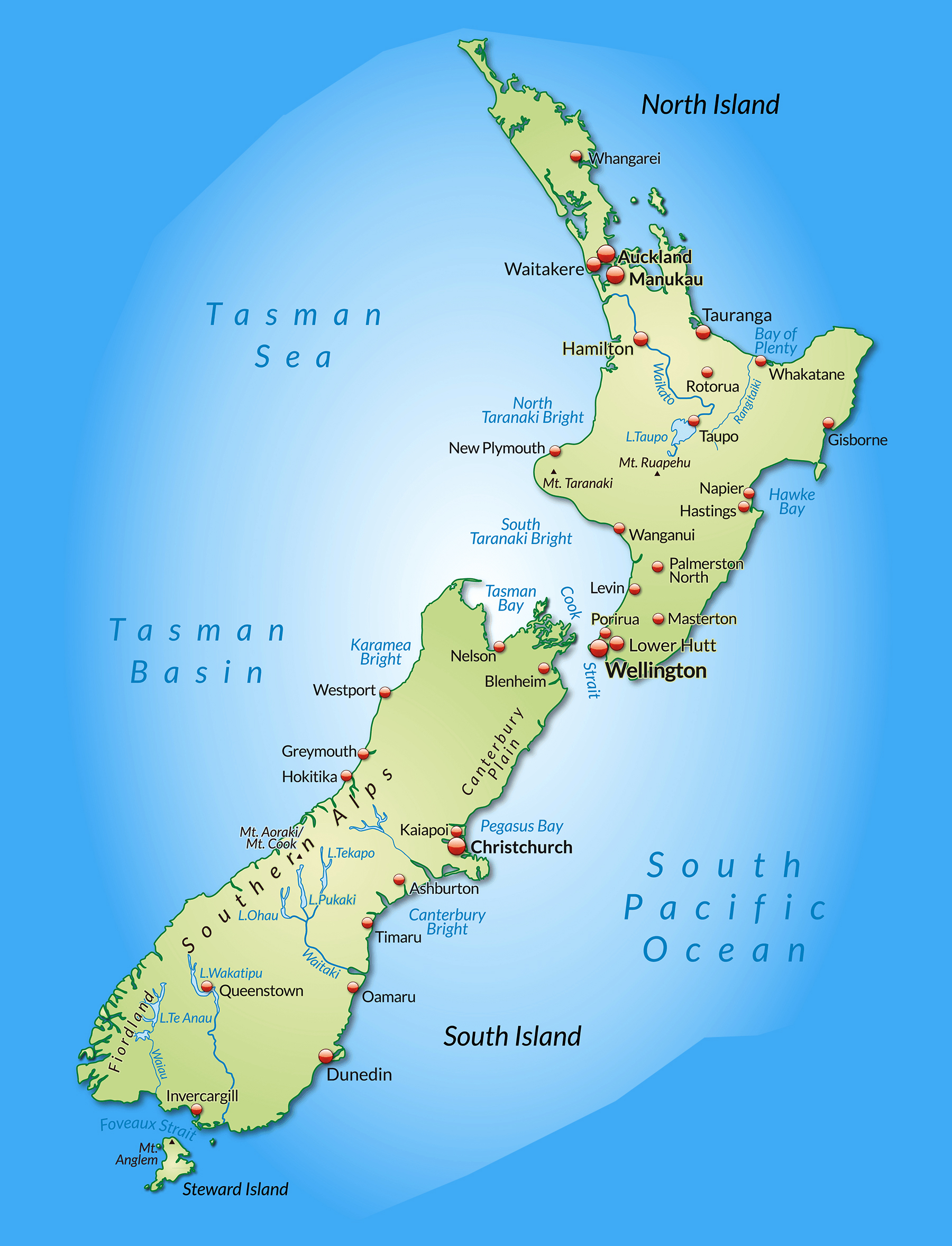
New Zealand (Aotearoa in Māori) is a breathtaking island nation in the southwestern Pacific Ocean, celebrated for its dramatic landscapes, world-class outdoor adventures, and high quality of life. It consists of two main islands: the North Island (Te Ika-a-Māui) and the South Island (Te Waipounamu), separated by the Cook Strait, 24 km (15 miles) wide at the narrowest point, plus hundreds of smaller islands (including Stewart Island/Rakiura in the far south). As the sixth-largest island country by area, it lies roughly 1,600 km (1,000 miles) southeast of Australia across the Tasman Sea, making it one of the most remote developed nations

North Island
Te Ika-a-Māui, the Fish of Māui

Volcanic and geothermal features dominate the North Island, including active volcanoes (like Mount Ruapehu), the large Lake Taupō (formed by a massive ancient eruption), rolling farmland, and subtropical areas in the far north (Northland). It’s more populous, two-thirds of the country’s population lives here, of these 4.5 million, 1.4 million live in Auckland. North Island has has a milder, warmer climate overall.

South Island
Te Waipounamu, The Waters of Greenstone

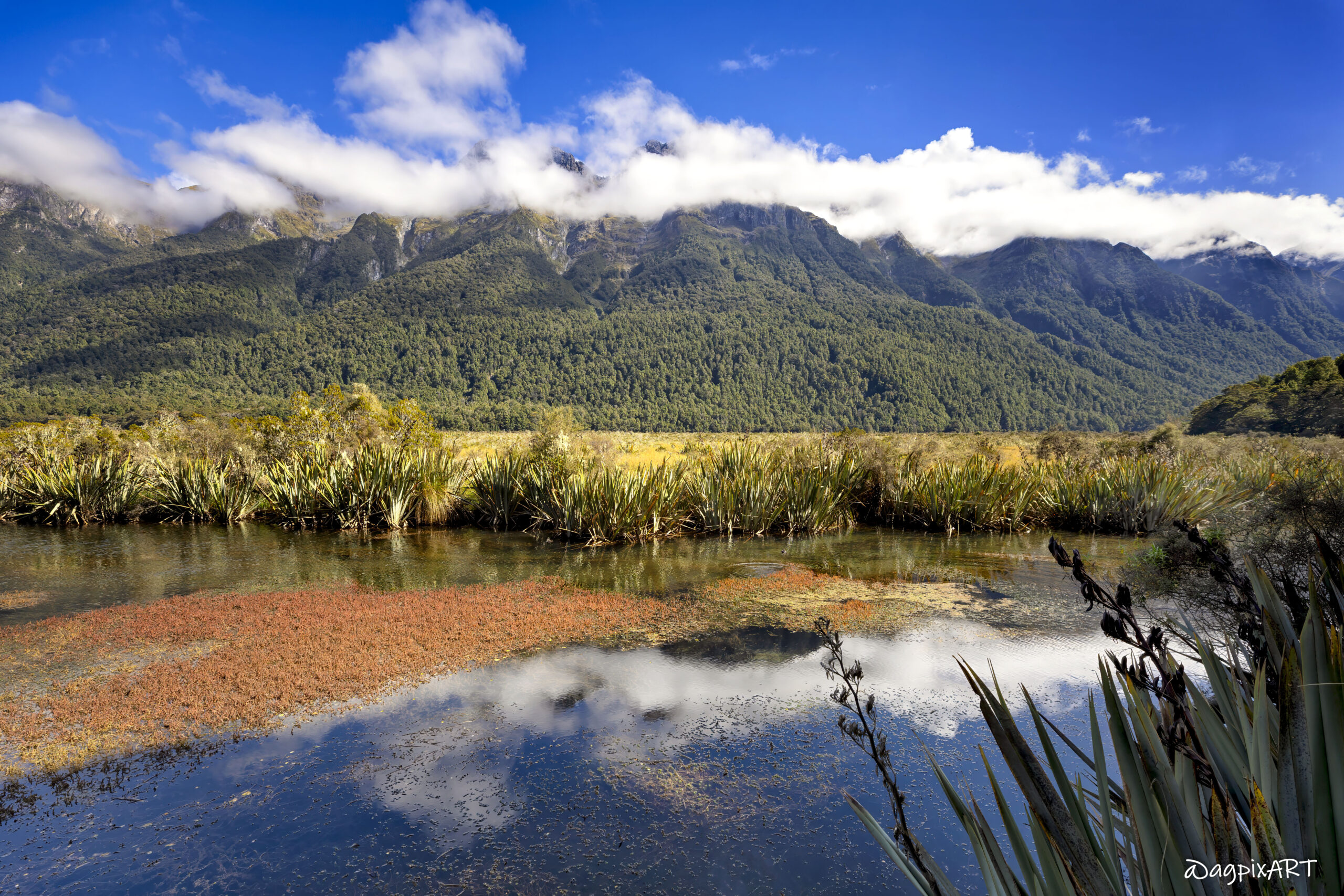
South Island is more mountainous and dramatic, with the Southern Alps running its length (including New Zealand’s highest peak, Aoraki/Mount Cook at 3,724 m / 12,218 ft). It features glaciers, deep fjords (like Milford Sound in Fiordland National Park), rainforests on the wet west coast, and drier plains on the east. At 150,440 sq km (58,070 sq miles), the South Island is larger in area but less populated. Christchurch is the largest city in the South Island with 365,000 residents.


New Zealand

TidBits Tabs – Know Before Trip

(click on the tab to open/close)
  • Location: The southwestern Pacific Ocean.
  • Time Zone: New Zealand Standard Time (NZST), which is UTC+12. During Daylight Saving Time (summer months), it switches to New Zealand Daylight Time (NZDT) at UTC+13. New Zealand is one of the first places in the world to see the new day (often 16–20 hours ahead of North America, depending on US time zones and DST).
  • International Airports: Auckland Airport, Wellington Airport (North Island) and Queenstown Airport , Christchurch Airport (South Island).
  • Ferry: Two operators run regular vehicle and passenger ferries on the Wellington ↔ Picton route (about 93 km / 58 miles): Interislander (KiwiRail), the original and larger operator. Typical crossing time: 3.5 hours. Bluebridge Cook Strait Ferries, often slightly cheaper and sometimes preferred for reliability or specific timings. Crossing time: Around 3–3.5 hours. Cook Strait is known for strong winds and swells. Delays and occasional cancellations happen, especially in rough conditions. Check service alerts on both operators’ websites the day before and morning of travel. Have a flexible Plan B (extra night in Wellington or Picton) if possible.
  • Language: Official language is New Zealand English with Māori (Polynesian language) an important part of New Zealand’s cultural identity. Greetings: Kia ora (hello, thank you), Haere mai (welcome), Ka pai (good job/well done).
  • Currency used: The New Zealand Dollar, abbreviated as NZD, , often called the “Kiwi dollar”. Exchange Rates site. 
  • Electricity: 230 V (sometimes listed as 230/240 V), 50Hz, using Type I (three flat pins in a triangular pattern, the same as in Australia). Universal Travel Adapter Kit.
  • Capital: Wellington, at the southern end of the North Island.
  • Government: Parliamentary democracy and constitutional monarchy (Head of State: King Charles III, represented by Governor-General).
  • People & Culture: New Zealand has a rich bicultural foundation between Māori (the indigenous people) and later European settlers, with strong influences from Pacific, Asian, and other immigrant communities.
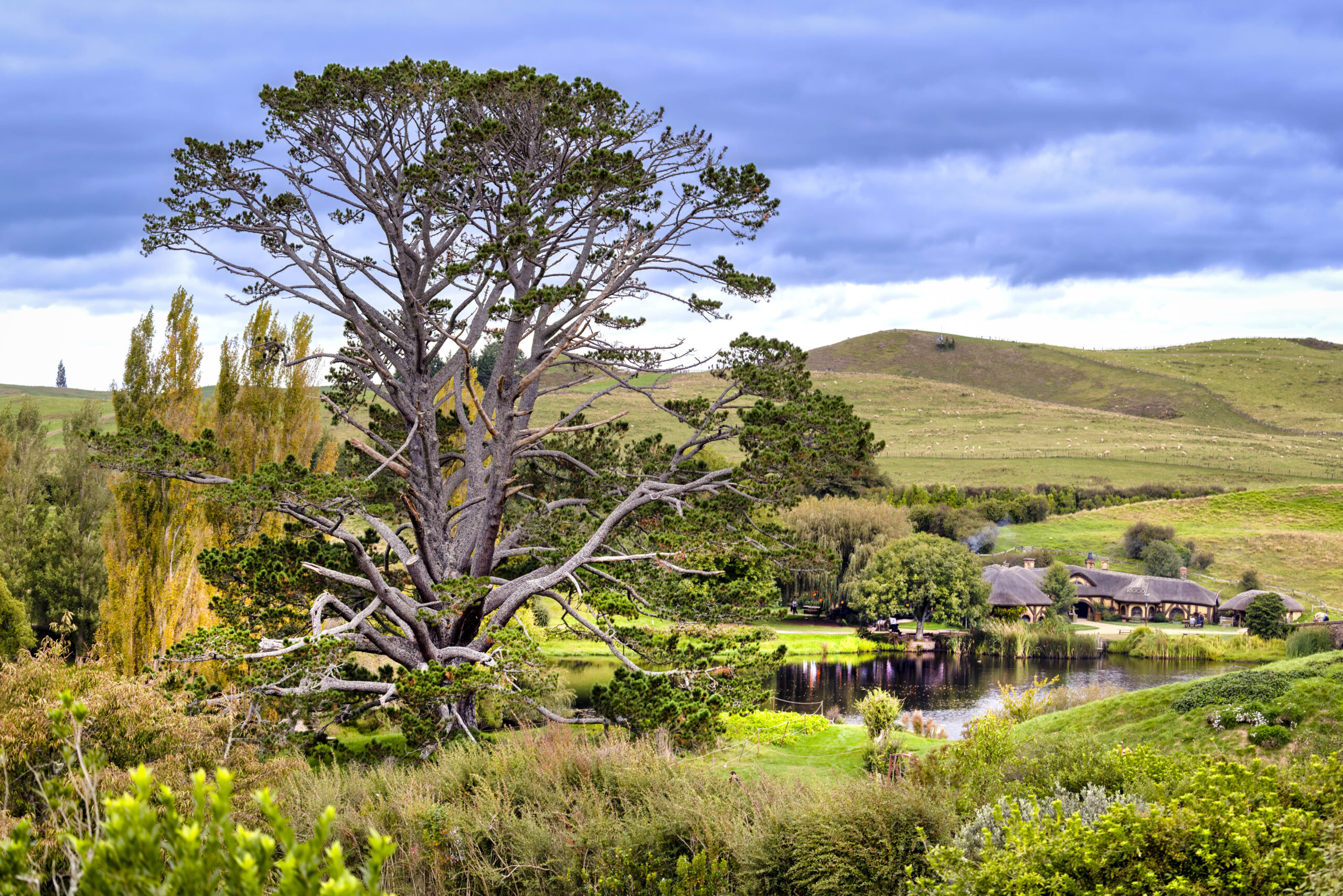
  • Iconic elements: Māori culture (haka, marae, ta moko), Lord of the Rings and Narnia filming locations, adventure sports (bungee jumping originated here), and unique wildlife (kiwi bird, no native land mammals except bats).

Practical Info:

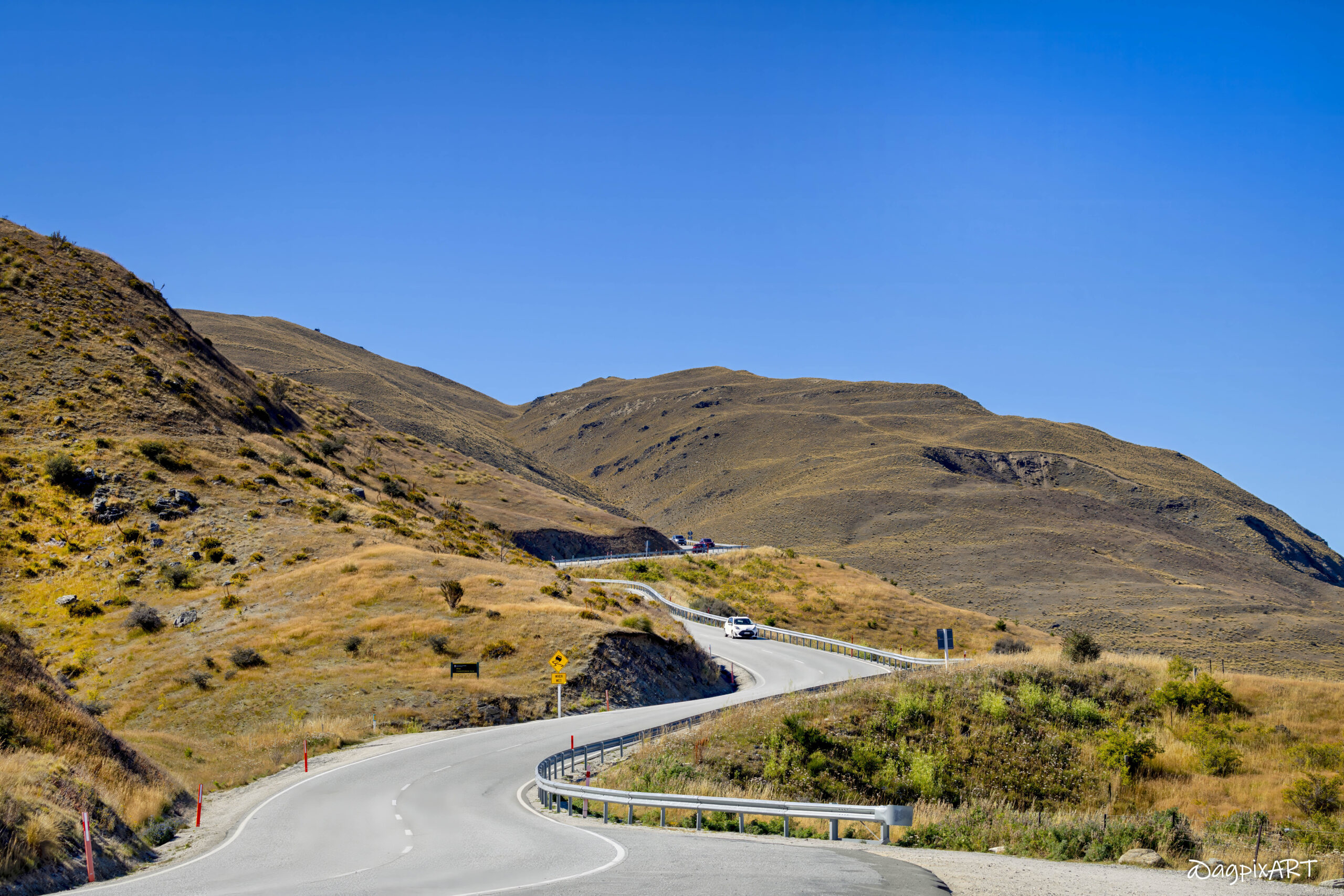
  • Driving: On the left side of the road. Roads can be winding and narrow, especially in mountainous or rural areas. Some have slower vehicles passing lanes that are clearly marked ahead. In general, there are good road directions and speed signs. Be prepared for sudden weather changes (rain, wind, fog) and longer travel times than maps suggest — allow extra buffer.
  • Driving: Campervans or rental cars are popular. Book ahead in peak seasons.
  • Entry: Most visitors need an NZeTA (New Zealand Electronic Travel Authority) or visa. Apply online or via the app — it usually processes within 72 hours but can take longer. It’s valid for multiple visits up to 2 years. Passport must be valid for at least 3 months beyond your planned departure.
  • Biosecurity is strict: Declare all food, plants, and outdoor gear. No fresh fruit, snacks, or trail mix in your bags — fines are common if you forget. Clean hiking boots and tents thoroughly. No THC/CBD products allowed.
  • Best Time to Visit: Depends on interests, summer (Dec–Feb) for beaches and hiking; shoulder seasons (Mar–May or Sep–Nov) for fewer crowds.

Travel Advice – General Safety:

New Zealand is very safe overall. Official advice from major governments (US, UK, Australia, Canada) is “Exercise normal precautions” (Level 1). Petty theft can occur in busy tourist spots (Auckland, Queenstown, Christchurch). Use hotel safes and keep an eye on belongings.
Weather-related risks are the main concern: heavy rain, strong winds, fog, flooding, and slips on roads, especially on the South Island’s West Coast and alpine areas. Check forecasts and road conditions daily via NZTA (New Zealand Transport Agency).

https://livetraffic.nz/providers/new-zealand-transport-agency

Travel Advice – Health:

  • Risks: No major health risks for most travelers.
  • Water: Tap water is safe to drink everywhere.
  • Sandflies: Nasty, will start itching 24 hours AFTER bites. Pack insect repellent for sandflies (especially in Fiordland and West Coast) and cream for itching.

Mobile & Connectivity:

Coverage is good in towns but very patchy in remote areas (West Coast, Fiordland). If you relying on maps, make sure to download them prior to the trip.

Phone: SIM card – New Zealand has three main networks:

  • Spark: Often praised for the best nationwide coverage, especially in rural and remote South Island areas (e.g., West Coast, Fiordland, Central Otago).
  • One NZ (formerly Vodafone): Strong coverage in cities and popular tourist spots; good for urban and South Island hubs like Queenstown and Christchurch.
  • 2degrees: Usually the cheapest option; fine for cities but weaker in remote/rural spots.

eSIM Data Options – Popular international eSIM providers for NZ (data-only). Purchase online, activate via QR code before or upon arrival.

  • Jetpac, aloSIM, Airalo, Roafly, Nomad, Saily: often cheaper per GB than local tourist plans. Many run on Spark or One NZ networks. Plans start from ~US$1–5 for small data packs up to 20–100GB for longer trips. Make sure to switch to data roaming after activation.

Pre-European Era ( c. 1250–1350 AD) – Ancestors of Māori arrive from eastern Polynesia in large canoes. They name the land Aotearoa and develop a distinct culture, language, and tribal (iwi/hapū) society.
European Exploration & Early Contact (1642) – Dutch explorer Abel Tasman becomes the first European to sight the country (mainly the South Island west coast). His attempt to land ends in conflict; the land appears on Dutch maps as “Nieuw Zeeland”.
1769–1777 – Captain James Cook explores and maps the coastline in detail during three voyages. He makes first European landfall and establishes contact with Māori.
1790s–1810s – Sealers, whalers, and traders arrive. First European settlements begin. Missionaries arrive from 1815.
British Colonisation & Treaty Era (1840) – Treaty of Waitangi signed (Feb. 6) between the British Crown and many Māori chiefs. It is NZ’s founding document, establishing British sovereignty while promising protection of Māori lands and rights (interpretations of the English and Māori versions differ and remain debated today).
1840 – Organized British settlement begins via the New Zealand Company. Settlements founded in Wellington, Nelson (South Island), New Plymouth, and others. Auckland becomes the capital.
1840s–1870s – New Zealand Wars (also called Land Wars) occur, mainly in the North Island, over land disputes and sovereignty.
1850s–1860s – Gold rushes boom the South Island, especially Otago (Dunedin) and the West Coast. Dunedin becomes NZ’s wealthiest city for a time. Chinese miners arrive in significant numbers.

Self-Government (1852–1856) – NZ gains responsible self-government. First general election held in 1853.
1860s–1870s – Rapid infrastructure development (railways, roads). Christchurch and other South Island towns grow.
1882 – First successful shipment of frozen meat to Britain (from Dunedin’s Port Chalmers) launches the export meat and dairy industry.
1907 -New Zealand becomes a Dominion within the British Empire (greater autonomy).
World War I, 1914–1918 – NZ troops fight at Gallipoli (ANZAC legend begins) and on the Western Front. Heavy casualties shape national identity.
World War II, 1939–1945 – Significant involvement in North Africa, Italy, and the Pacific. Post-war immigration increases.
1947 – NZ adopts the Statute of Westminster, confirming full legislative independence (formal ties to the British monarchy remain).
1970s–1980s – Māori Renaissance, growing push for Treaty rights and cultural revival. Waitangi Tribunal strengthened (1975) to address historical grievances.
1990s–2000s – MMP (Mixed Member Proportional) voting system introduced (1996). Increasing focus on biculturalism, Māori language revival, and Treaty settlements.
2010s–2020s – Christchurch earthquakes (2010–2011) cause major damage and loss of life. Strong emphasis on environmental protection, tourism, and social issues. Ongoing Treaty settlements and debates over co-governance.

  • National Dish: NZ doesn’t have one single agreed-upon national dish, they often joke that their food culture is a relaxed mix of British roots, Māori traditions, fresh local ingredients, and global influences.
  • Most Commonly Cited “National” Foods: Meat Pie (especially Mince & Cheese or Steak & Cheese) — The humble handheld pie is often called the closest thing to a national dish. You’ll find them everywhere, bakeries, petrol stations, supermarkets, with flaky pastry and hearty fillings. Hāngī — The most culturally significant Māori experience. Food (pork, lamb, chicken, kūmara/sweet potato, potatoes, pumpkin, cabbage) is wrapped and slow-cooked in an underground pit oven using hot stones.
  • Other Iconic & Must-Try Foods: Fish and Chips (“fush & chups”), classic takeaway. Fresh battered fish with thick-cut chips, tomato sauce, and sometimes white bread. Roast Lamb, NZ lamb is world-famous for its tenderness and flavor (thanks to grass-fed farming). Hokey Pokey Ice Cream — Vanilla ice cream with crunchy honeycomb pieces. A beloved Kiwi flavor.
  • Fun Fact: Instant coffee was invented in Invercargill (South Island). In 1889, David Strang, a coffee and spice merchant who ran “David Strang, Coffee and Spice Works” on Esk Street, developed a “Dry Hot-Air” process. He used hot air to turn brewed coffee into dry, soluble granules that could be easily reconstituted with boiling water. He applied for a patent in 1889 (one of the earliest under NZ’s new patent laws) and received it in 1890. This predates the more widely credited Japanese-American chemist Satori Kato (who patented a version in 1901) by over a decade. Strang’s innovation was largely forgotten due to Invercargill’s remote location, but it has since been recognized as the world’s first commercial instant coffee.
  • Fun Fact: NZ invented the jet boat, perfect for navigating shallow, fast rivers.
  • Wildlife: NZ has no native land mammals except two species of bat. Birds (and a few insects) filled most ecological roles, which is why you’ll find flightless birds like the kiwi (the national symbol) and the world’s only alpine parrot, the mischievous kea, known for dismantling car windscreen wipers and rubber seals.
  • Wildlife: Hector’s dolphin, the world’s smallest dolphin, is often spotted near Akaroa on the South Island with a fin shaped like Mickey Mouse ears.
  • Geography & Landscape: The longest place name in an English-speaking country is on the North Island: Taumatawhakatangihangakoauauotamateapokaiwhenuakitanatahu (85 letters) — a hill whose name tells the story of a man with big knees who played his nose flute.
  • Geography & Landscape: NZ sits on the Pacific Ring of Fire, has active volcanoes, and is geologically very young. It also has its own desert (Rangipo Desert on the North Island).
  • People & Culture: NZ was the first country in the world to grant women the right to vote (in 1893).
  • People & Culture: It was one of the last major landmasses on Earth to be settled by humans — Māori arrived around 800–1,000 years ago.
  • Movie Fact: Many famous Lord of the Rings and Hobbit locations are real places you can visit, especially around Queenstown, Wanaka, and the South Island’s mountains and fjords (like Milford Sound).


Respect tapu (sacred/restricted) and noa (ordinary/safe)
Common Mistakes to Avoid

This is easily the #1 pitfall for visitors. Distances on a map or Google Maps often look short and straightforward, but NZ’s roads are rarely like straight highways back home. What appears as a 2-hour drive can easily stretch into 3–5 hours or more. Most State Highways on the South Island are two-lane with frequent sharp bends, steep climbs/descents, and limited passing opportunities. Examples: Haast Pass (West Coast to Wanaka), roads around Banks Peninsula (Christchurch to Akaroa), or sections near Queenstown and Milford Sound. On the North Island: The Forgotten World Highway (officially State Highway 43 or SH43).

Speed limits and conditions: Open-road limits are often 80–100 km/h, but many sections drop to 60 km/h or lower due to curves. Gravel edges, one-lane bridges, and slow vehicles (campervans, trucks) are common.
Weather variability: Rain, wind, fog, or even light snow/ice (especially on passes) can slow you down significantly.
Build in stops: Factor in time for lunch, toilets (free public ones in most small towns), photo pulls, and spontaneous detours. Popular routes reward slower pacing.
Use official tools: Check the NZTA Journey Planner (journeys.nzta.govt.nz) for realistic times, roadworks, closures, and conditions. Also monitor MetService for weather.

NZ is hugely popular, and many iconic experiences have limited capacity due to small boats, helicopters, coaches, or protected environments. Arriving and hoping to “just turn up” is one of the quickest ways to miss out on highlights you’ve travelled halfway around the world to see.
Book early: Aim for at least 4–8 weeks in advance for must-dos (longer for peak summer or specific dates). Popular Milford Sound day trips from Queenstown are sometimes booked 3+ months out.
Be flexible with weather: Many activities (flights, glacier tours) are weather-dependent. Choose operators with good rebooking/refund policies rather than the absolute cheapest non-refundable option.
Use official or reputable sites: Book directly through operators (e.g., RealNZ for Milford) or trusted platforms. Check cancellation policies carefully.

One-lane bridges are extremely common across NZ, particularly on rural and scenic roads in the South Island (West Coast, Haast Pass, Fiordland, Canterbury high country, Marlborough, and many routes around Queenstown or Milford Sound) or the Forgotten World Highway (officially State Highway 43 or SH43) on the North Island. They are narrow, often old, and shared by traffic in both directions. Misjudging them is a top cause of stress, near-misses, and minor accidents for visitors.
The Official Rules (Simple Version), all one-lane bridges are clearly signposted before you reach them:
* Yellow diamond sign — warns “One-lane bridge ahead.”
* Priority signs (round or rectangular):

  • Large white arrow pointing forward (on blue background) + small red arrow the other way → You have priority. You can proceed, but still check the bridge is clear. Small red arrow pointing at you + large black/white arrow the other way → You must give way. Stop and wait for oncoming traffic.
  • Small red arrow pointing at you + large black/white arrow the other way → You must give way. Stop and wait for oncoming traffic.

Golden rule: Even if you have priority, always stop and give way if another vehicle is already on the bridge. Never force them to reverse.

NZ’s weather can change extremely quickly. What starts as a beautiful sunny morning can turn into heavy rain, strong winds, fog, or even snow on the passes within a couple of hours. Many visitors underestimate this and get caught out — leading to closed roads, dangerous driving conditions, missed activities, or safety issues.
1. Check the official NZTA website or app: It shows real-time closures, delays, weather alerts, and one-lane bridge issues. Go to: nzta.govt.nz → Journey Planner or Road Conditions.
2. Check the MetService weather forecast.
3. Download offline maps (Google Maps or Maps.me) in case mobile coverage drops in remote areas.

Golden Rule: Never assume yesterday’s conditions still apply. Check every single morning (and again midday if you’re on a long drive). It takes only 2–3 minutes but can save hours of frustration or keep you safe.

Let’s be real: the only person usually thrilled about them is the operator. That peaceful hum can shatter the serenity of a quiet view, a lazy beach nap, or someone’s backyard without warning. NZ has some of the tightest drone regulations in the world, enforced by the Civil Aviation Authority (CAA):
1. You must register your drone if it weighs 250 grams or more (including payload). Registration is free and done online before you travel.
2. You need a Remote Pilot Certificate (drone license) for most recreational and all commercial flying.
3. No-fly zones are widespread – over national parks, conservation land, and many scenic areas without special permission.
4. Privacy and cultural rules: You cannot fly over Māori sacred sites (wāhi tapu) or private land without permission. Respect kaitiakitanga (guardianship).
5. Assume most scenic spots are restricted — locations like Milford Sound fjord, glacier viewpoints, and many national park tracks usually require special permits (often difficult or expensive to get as a tourist).

  1. Don’t wear shoes inside homes or marae. Always remove your shoes at the door when entering someone’s house, a marae (Māori meeting house), or sometimes even certain lodges and Airbnbs. It’s a strong sign of respect and cleanliness.
  2. Don’t touch or lean on sacred carvings or objects. Avoid touching whakairo (carvings) or taonga (treasured objects) unless explicitly invited. Many have spiritual significance.
  3. Don’t be loud or overly boastful in public. Kiwis value humility and a relaxed “no worries” attitude. Being loud or showing off is often seen as disrespectful or annoying.
  4. Don’t litter or leave rubbish behind. NZ strongly emphasises “100% Pure” and kaitiakitanga (guardianship of the environment). Always take your rubbish with you and use bins.
  5. Don’t pick or damage native plants or flowers. Many native species are protected. Stick to marked tracks and never pick flowers or plants.
  6. Don’t feed or disturb wildlife. Never feed birds (especially kea in the South Island) or approach seals and nesting seabirds.

Sample Photos from New Zealand

New Zealand
Aotearoa, Land of the Long White Cloud

South Island NZ
Coming Soon…
North Island NZ
Coming Soon…

Travelers' Map is loading...
If you see this after your page is loaded completely, leafletJS files are missing.
Travelers' Map is loading...
If you see this after your page is loaded completely, leafletJS files are missing.

Home » Destinations » Pacific Islands » New Zealand