New Zealand’s Birds
New Zealand is a bird lover’s paradise with many unique and endemic species. Isolated for millions of years, the country became a land of birds — many flightless and fearless due to the lack of native mammals.
Birds of Aotearoa New Zealand
New Zealand is a true bird paradise. Isolated for millions of years with no native land mammals, its birds evolved to fill every ecological niche. Many became flightless, ground-nesting, and remarkably fearless. Around 85 species are endemic — found nowhere else on Earth.
Iconic must-see birds include the Kiwi, Tūī, Kererū, Fantail, Bellbird, Morepork, Kākā, and Kea.
The best overall time for birdwatching is spring to early summer (September to January), when birds are highly active during breeding season.
NZ is a world leader in bird conservation. With so many unique and threatened species, the main focus is protecting native birds from introduced predators such as rats, stoats, possums, and ferrets.
Good to Know…
Predator Free 2050
This is New Zealand’s flagship, ambitious national program. The goal is to eradicate the most damaging invasive predators (rats, stoats, and possums) from the entire country by 2050.
Main Types of Birds in NZ
Flightless Birds
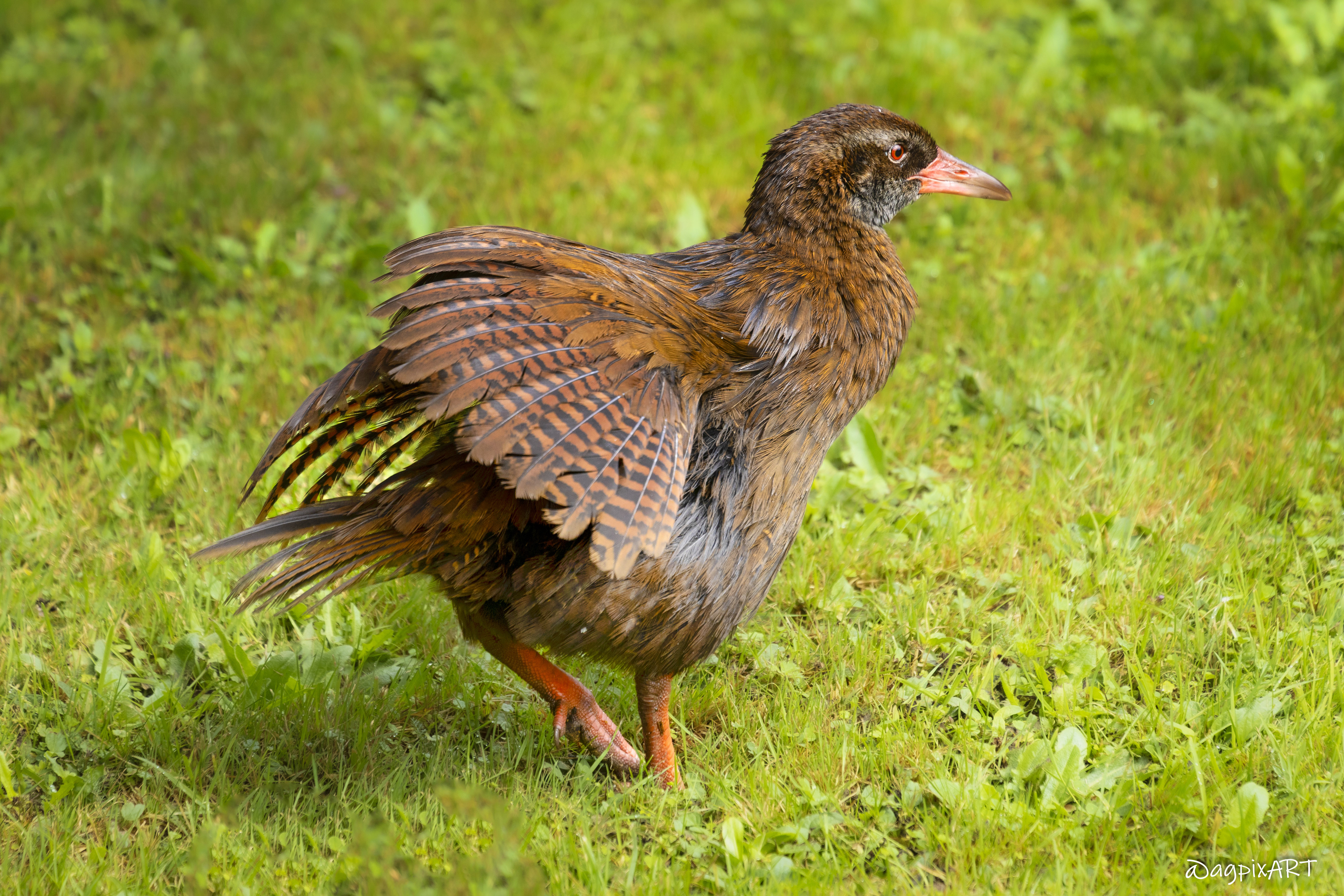
NZ’s flightless birds evolved in the absence of native land mammals. The most iconic is the Kiwi, the national symbol — a nocturnal, chicken-sized bird with hair-like feathers and a long beak. Other notable flightless species include the rare Takahē, a large, colourful rail with blue-green plumage, the critically endangered Kākāpō, the world’s heaviest parrot, and the cheeky Weka, often seen foraging near forest tracks.
Forest & Songbirds
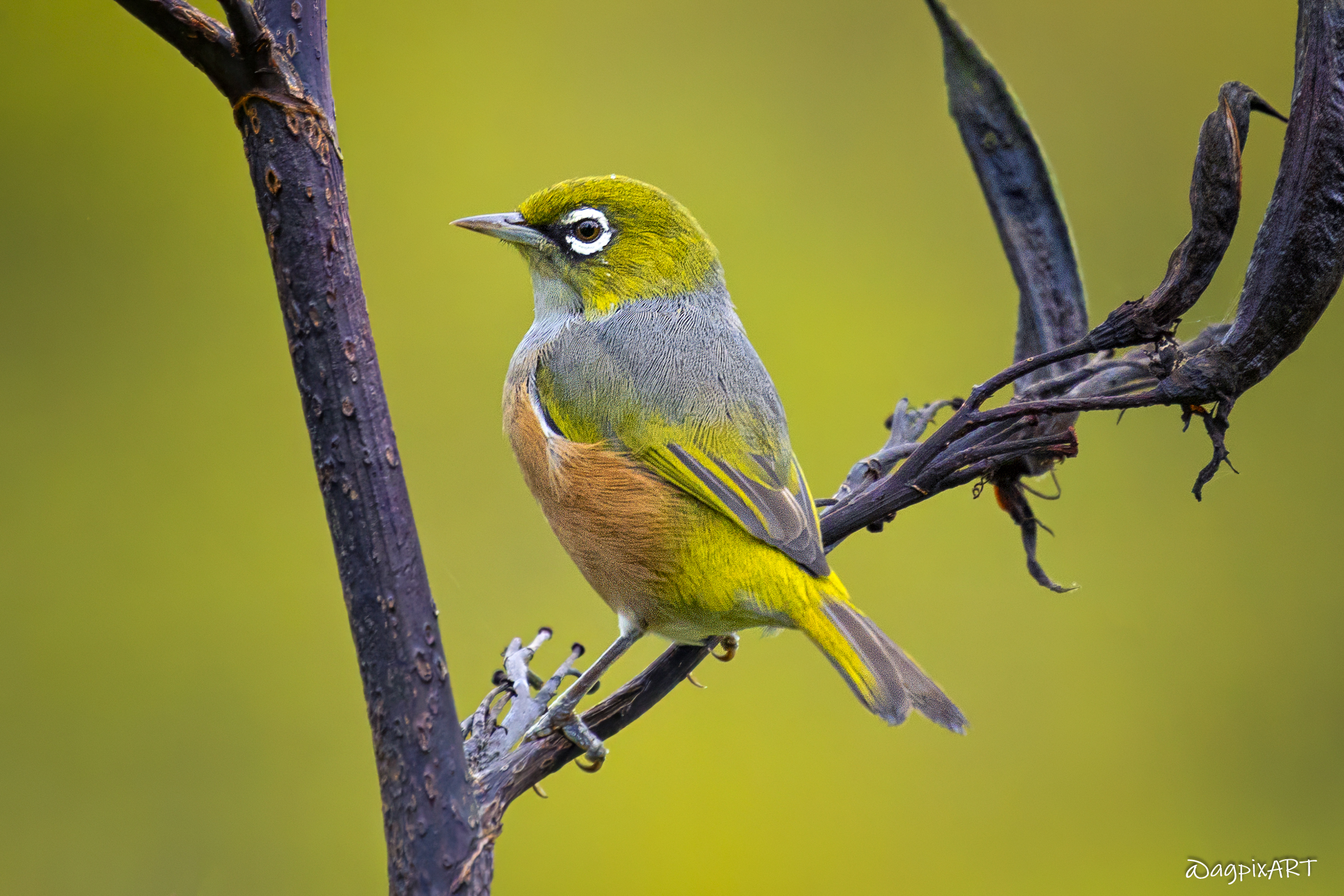
NZ’s forests are filled with beautiful and melodic songbirds. The most famous are the Tūī and Bellbird, both superb singers with rich, ringing calls. Other common forest birds include the friendly Fantail (Pīwakawaka), which flits around with its fanned tail, the large fruit-eating Kererū (New Zealand Wood Pigeon), the bold North Island Robin (Toutouwai), and the rare Kōkako with its haunting flute-like song.
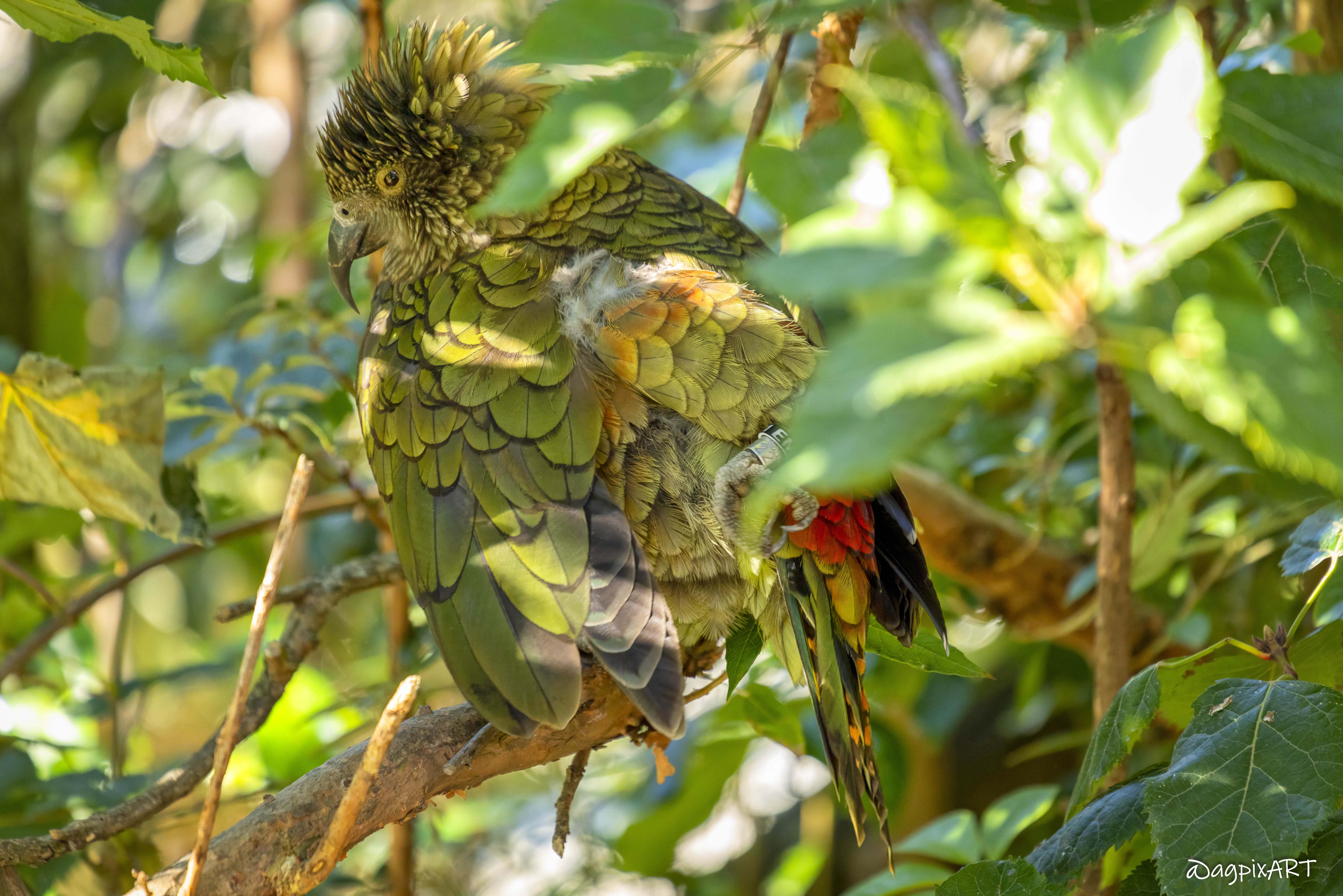
Parrots
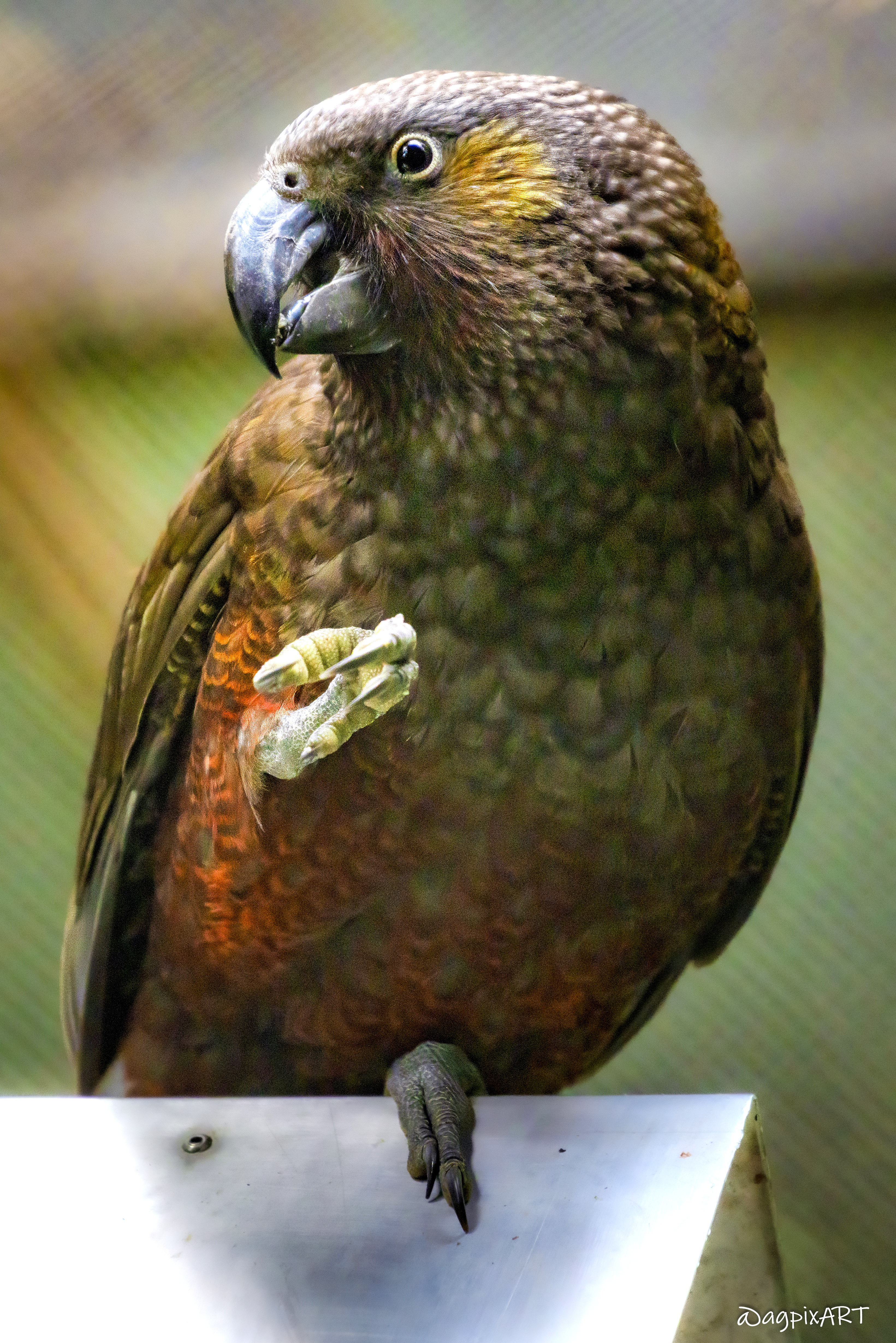
NZ’s three native parrots, are found nowhere else in the world. The Kākā is a large, noisy forest parrot with olive-brown plumage and a bright red underside. The Kea is the world’s only alpine parrot, an intelligent bird famous for its curiosity. The Kākāpō is the rarest and unusual: a large, flightless, nocturnal parrot, one of the most critically endangered birds. NZ is also home to bright green, noisy small parrots – parakeets.
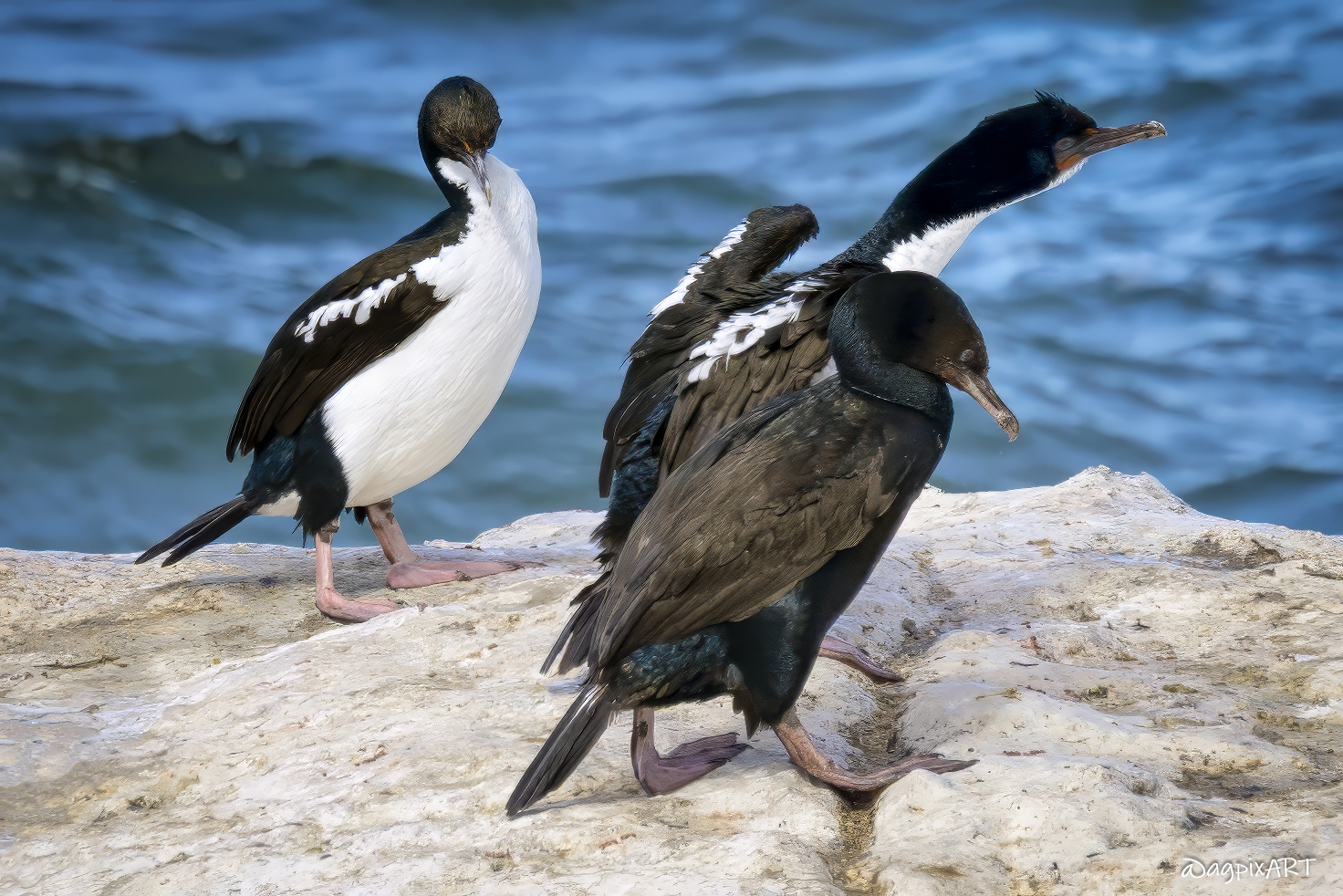
Seabirds & Coastal Birds
NZ’s iconic species include the Royal Albatross with its massive wingspan, the elegant Australasian Gannet, and several species of penguins such as the tiny Little Blue Penguin and the rare Yellow-eyed Penguin (Hōiho). Other common coastal birds include various shags (cormorants), oystercatchers, and massive colonies of petrels and shearwaters. These seabirds play a vital role in marine ecosystems.
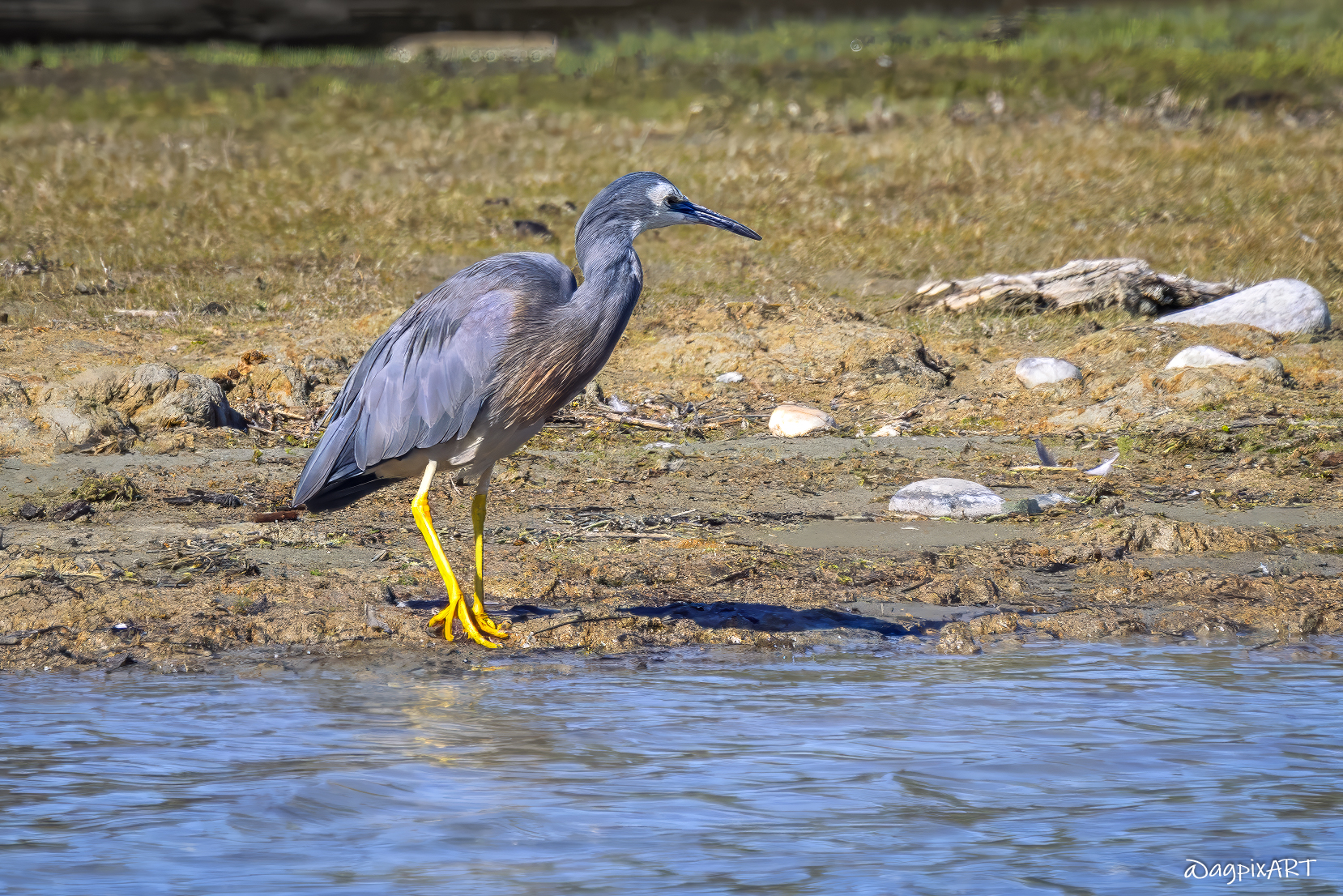
Shorebirds & Waders
NZ’s large coastline and wetlands are home to a variety of shorebirds and waders. The most famous is the Bar-tailed Godwit (Kuaka), which makes the longest non-stop migration of any bird in the world, flying from Alaska to NZ each year. Other iconic species include the Variable Oystercatcher, the Pied Stilt, the endangered Dotterel, herons and various plovers. They are commonly seen feeding along beaches, estuaries, and mudflats, and many migrate thousands of kilometers annually.
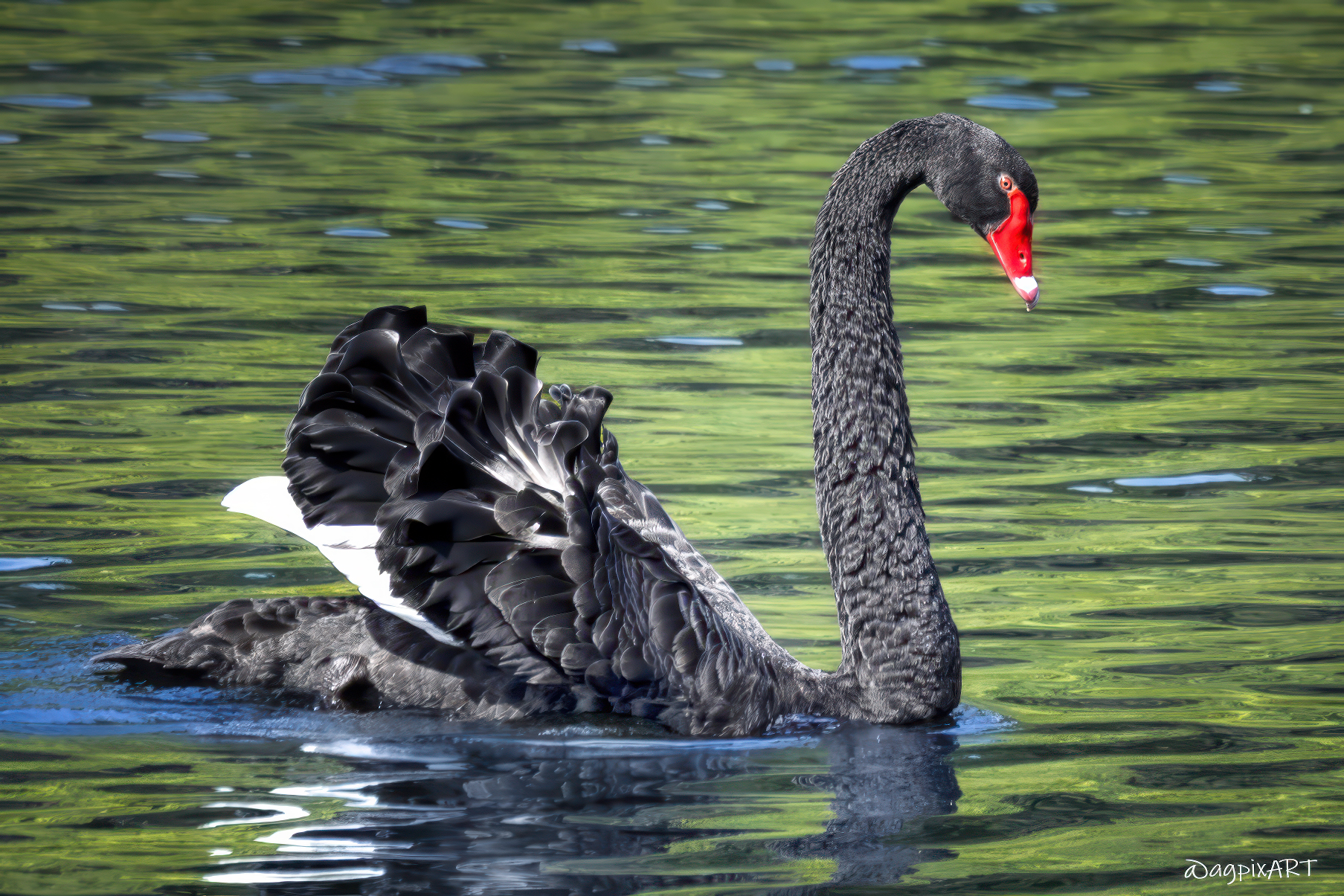
Waterbirds & Wetland Birds
NZ’s lakes, rivers, and wetlands support a variety of waterbirds. The most widespread and easily seen is the Pūkeko, a bold, purple-blue swamp hen with long red legs that is often spotted striding through grassy wetlands and farmland. Other common species include the Paradise Shelduck, the Grey Teal, the introduced Black Swan, and the Australasian Bittern. These birds are a vital part of freshwater ecosystems and are frequently seen around ponds, estuaries, and river margins.
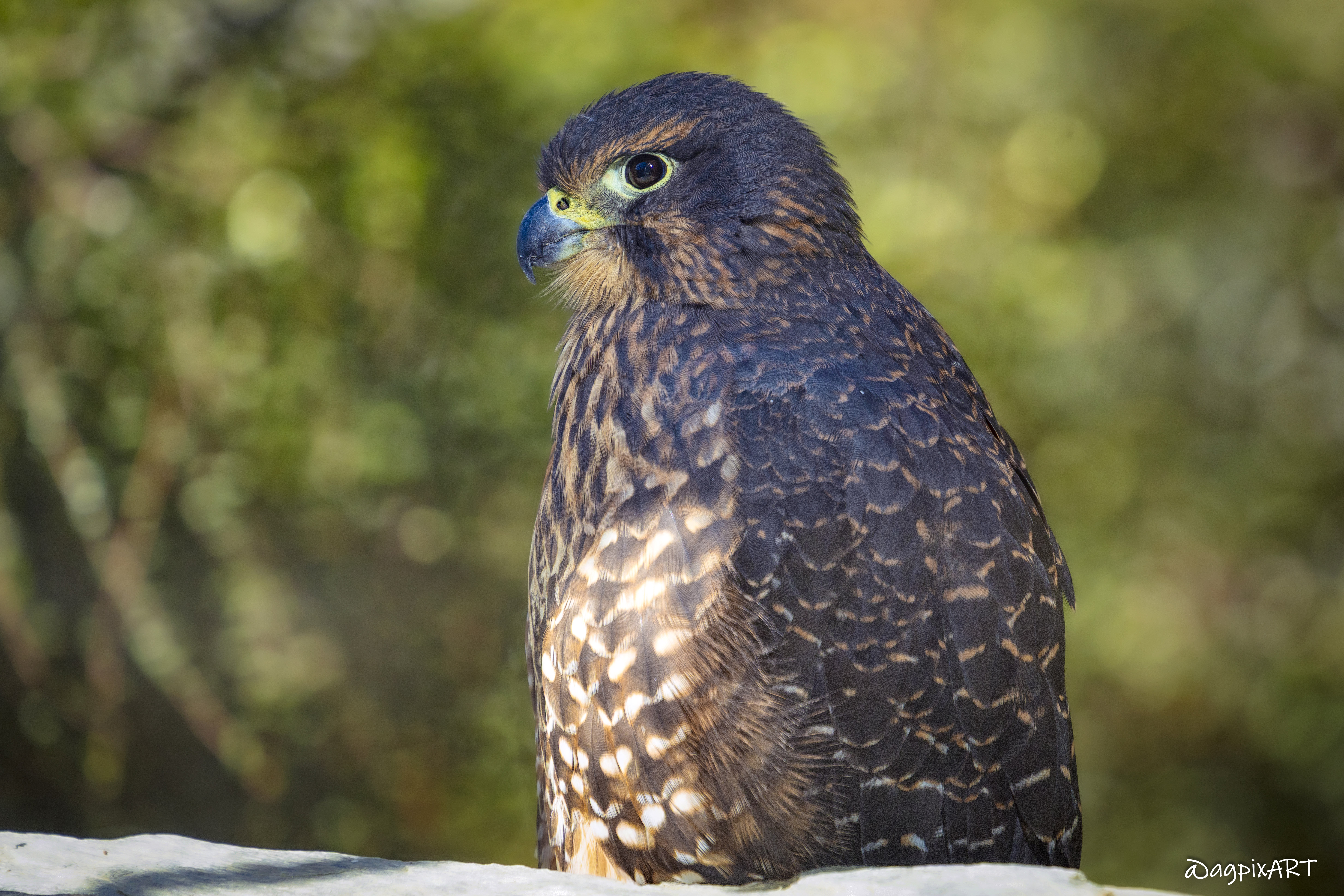
Birds of Pray
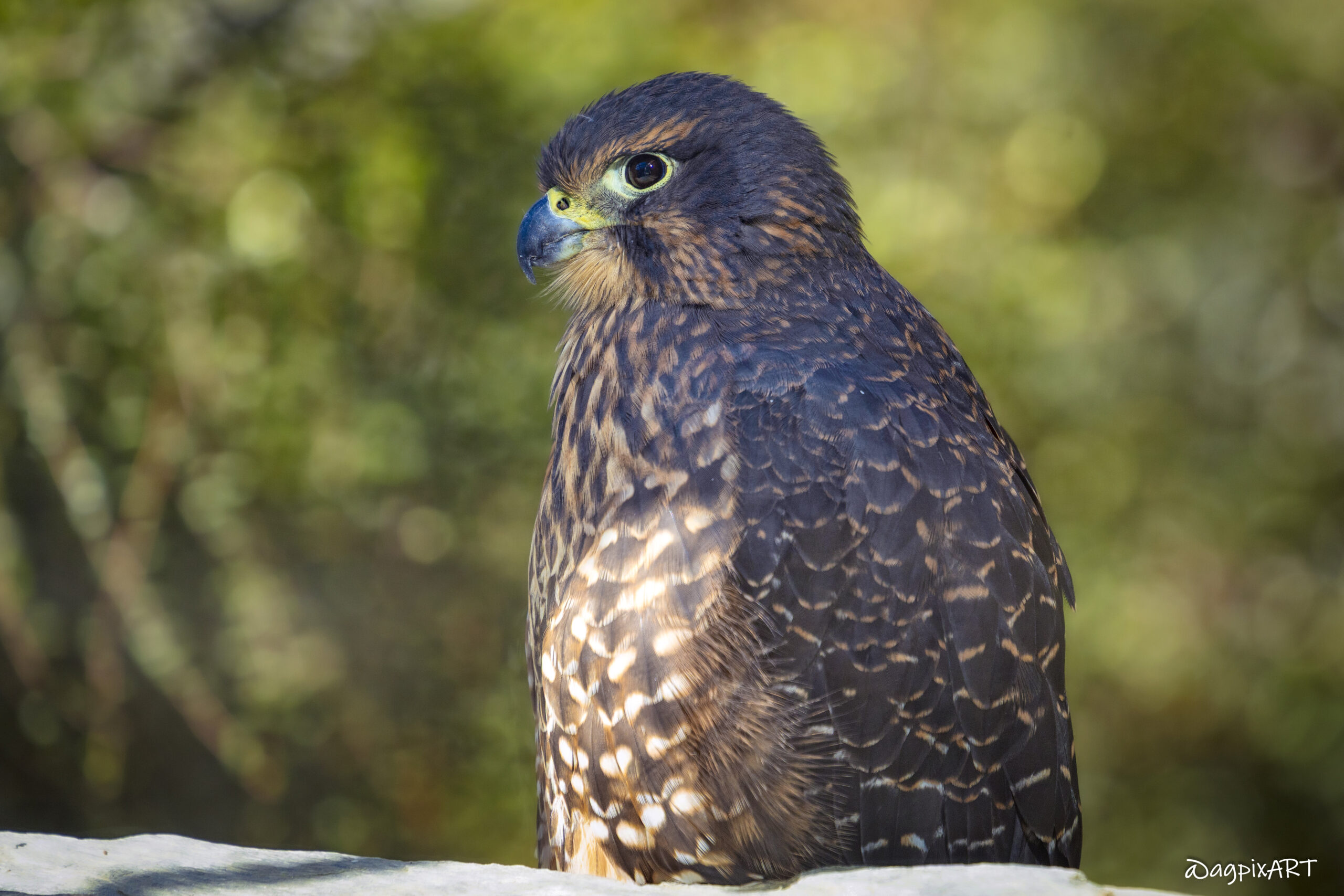
NZ’s native birds of prey consist of the NZ Falcon (Kārearea) and the Australasian Harrier (Kahu). The NZ Falcon is a fast, powerful hunter and one of the country’s most impressive endemic birds, often seen darting through forests and open country. The much larger Australasian Harrier is a common sight gliding low over farmland, wetlands, and roadsides, scavenging and hunting small animals. These skilled raptors play a vital role as top predators in NZ’s ecosystems.
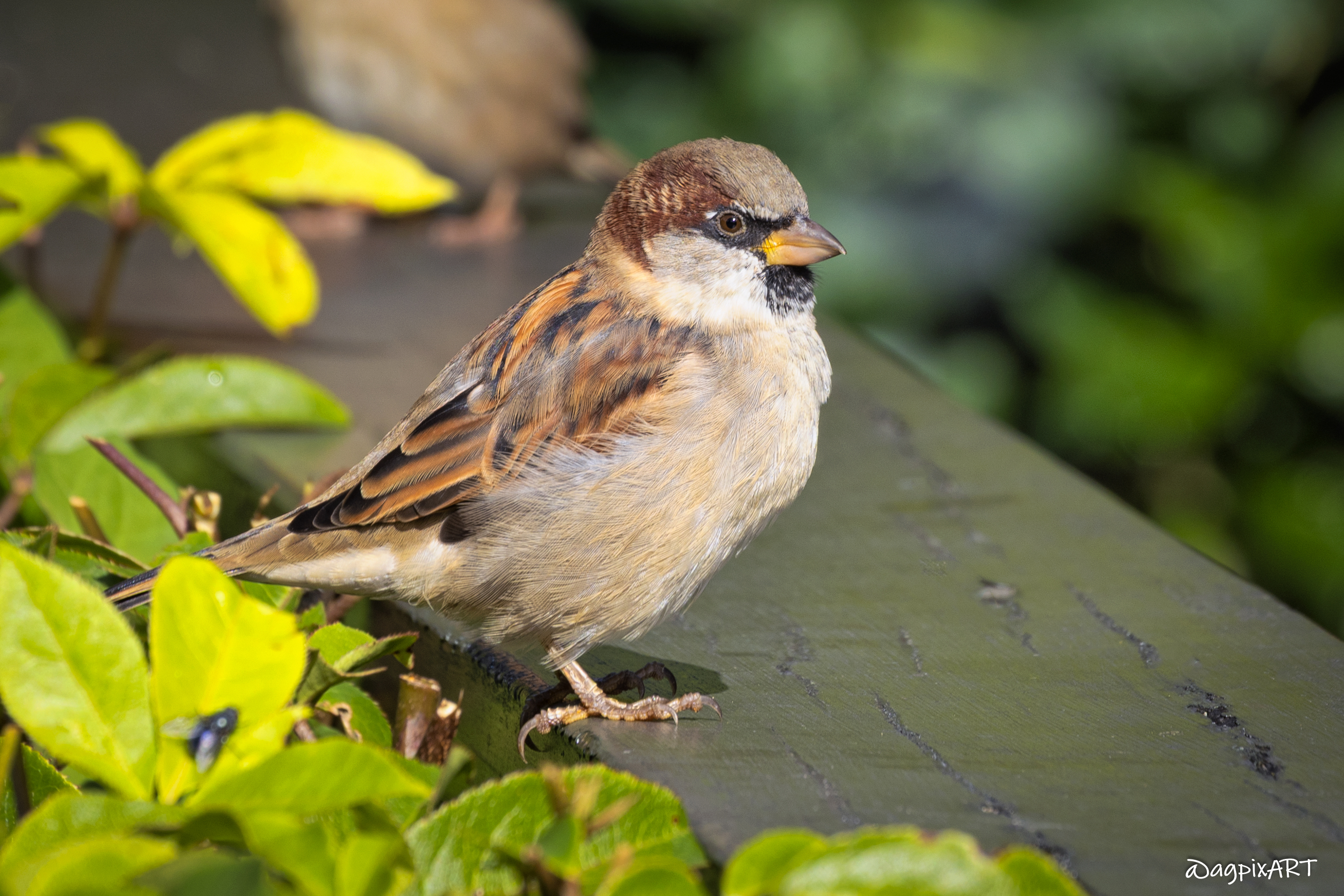
Introduced / Common Birds
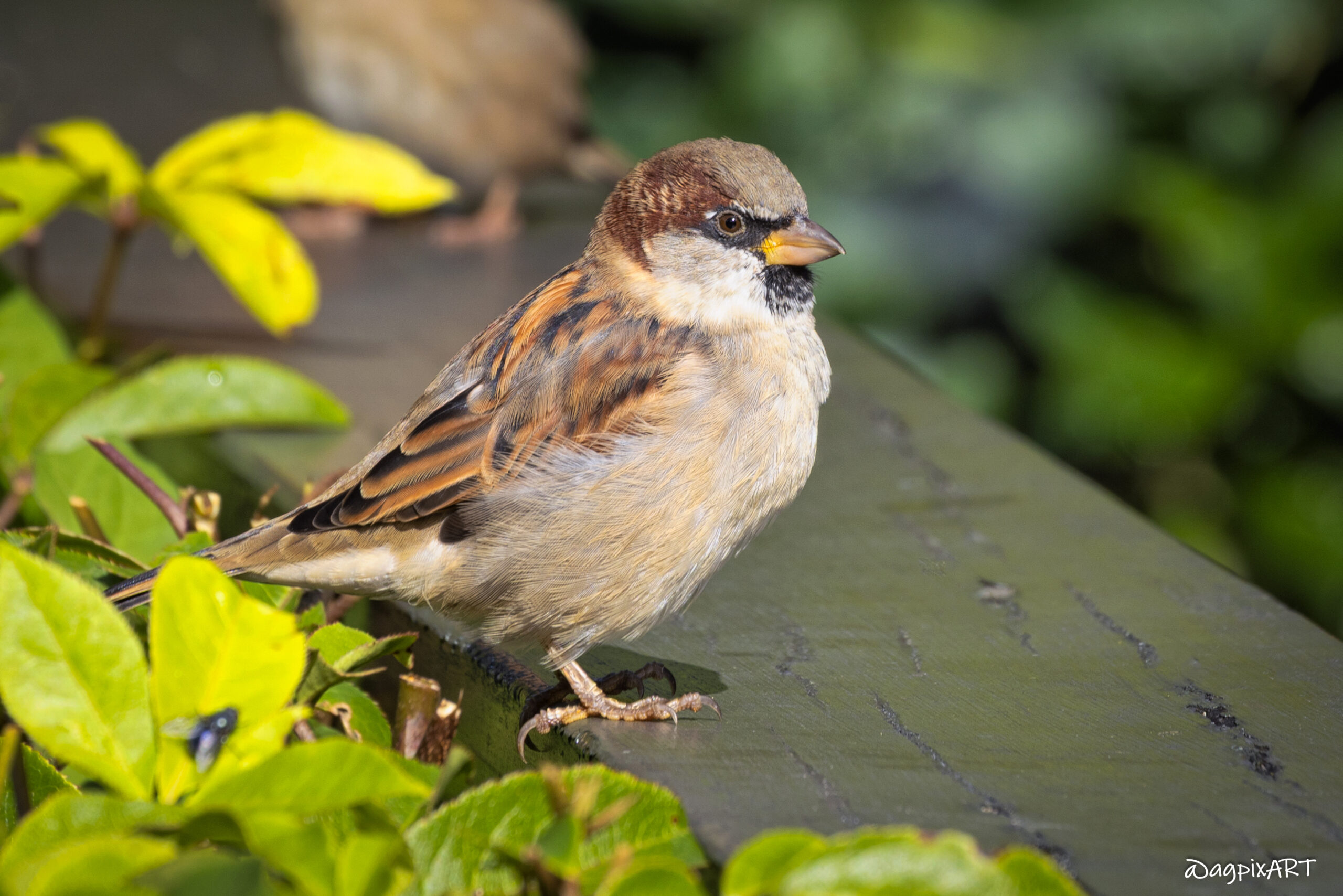
Many of the birds in New Zealand towns, gardens, and farmland are introduced species. The most widespread include the European Blackbird, Song Thrush, House Sparrow, Common Starling, Common Myna, and Mallard Duck. Other noticeable introduced birds are the California Quail, Rock Pigeon, and Eastern Rosella. While these birds are very common and often the first ones visitors notice, they compete with native species for food and nesting sites.
Iconic NZ Birds
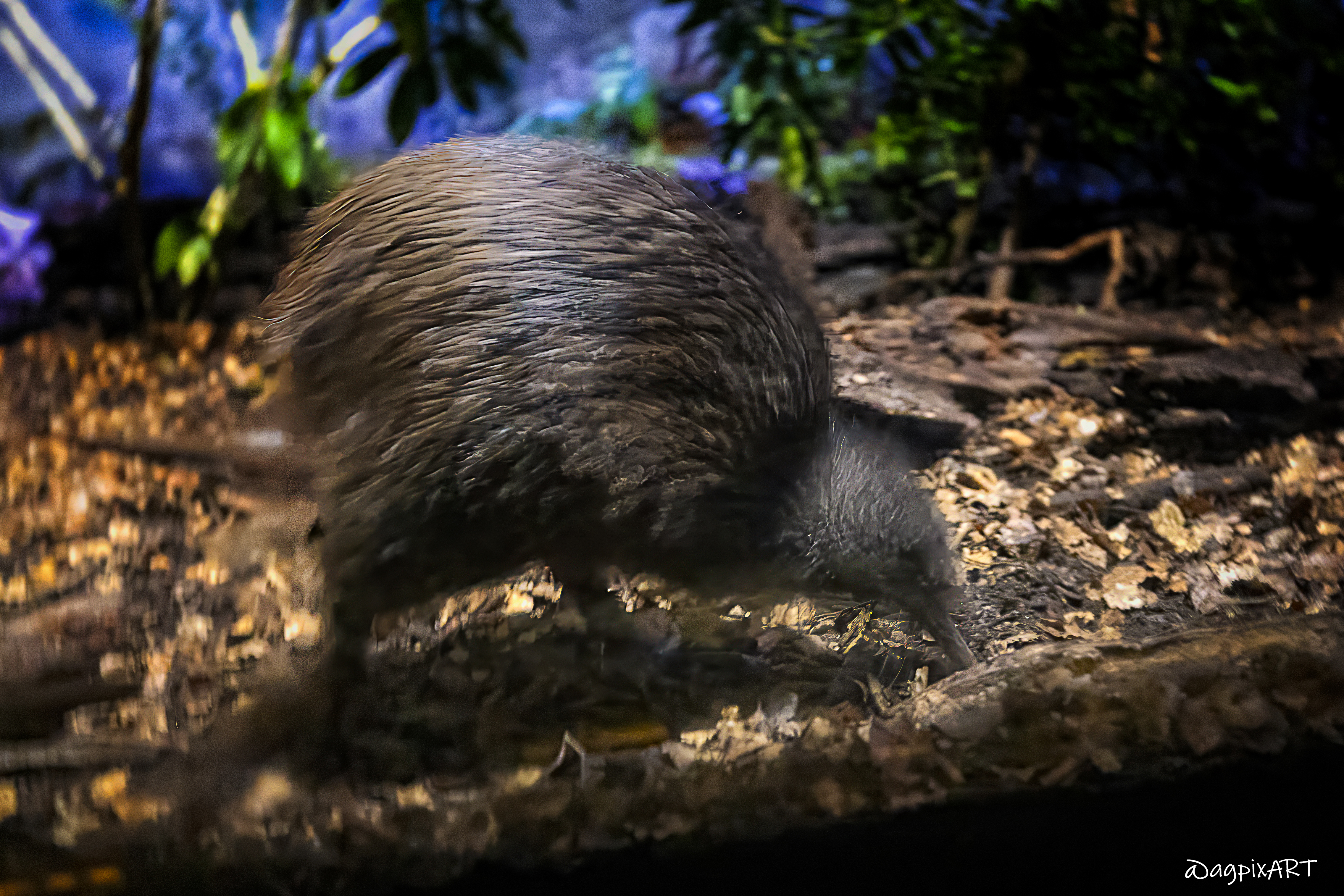
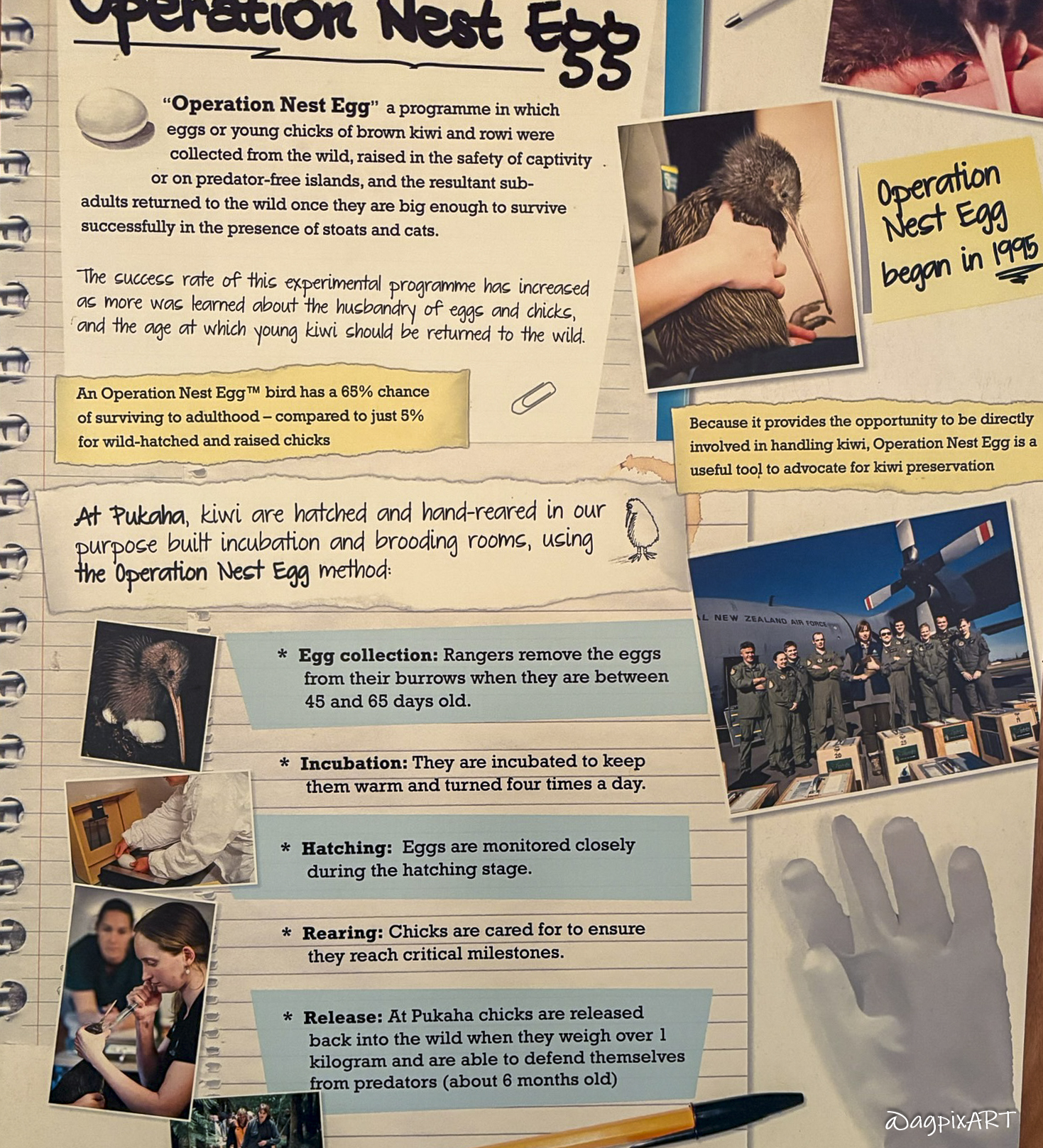
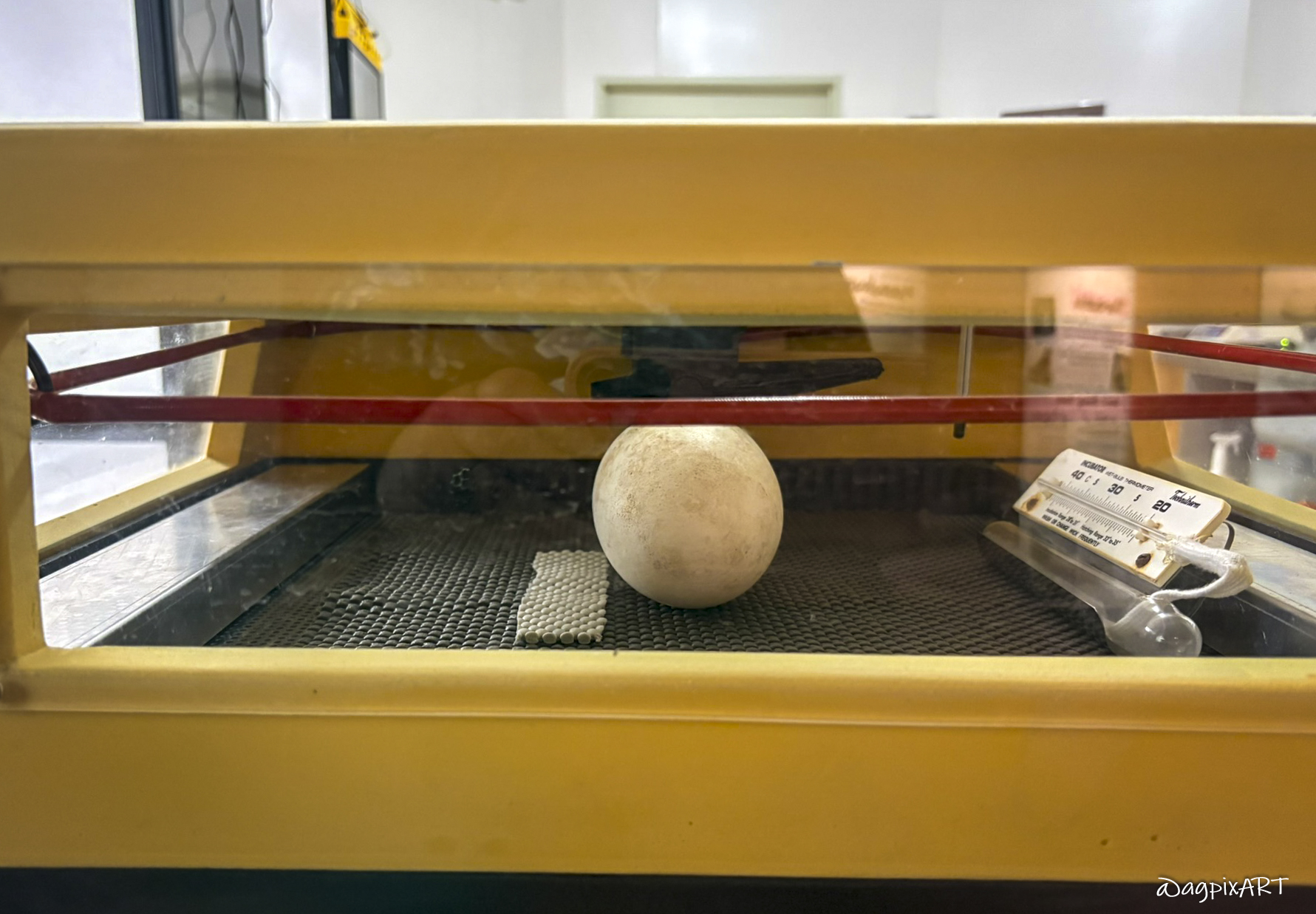
Kiwi
The Kiwi is NZ’s national bird and one of the most beloved icons of the country. This unique, flightless bird has soft, hair-like feathers, no tail, and tiny wings hidden beneath its plumage. Roughly the size of a domestic chicken, it is nocturnal and relies on a powerful sense of smell to hunt for insects, worms, and berries on the forest floor using its long, sensitive beak. Unlike most birds, the female lays an enormous egg — one of the largest relative to body size of any bird species. There are five different species of kiwi, with the North Island Brown Kiwi (Kiwi-nui) being the most widespread. Kiwis are long-lived, form lifelong pairs, and are now highly protected due to their vulnerability to introduced predators.
Male North Island brown kiwi song.
Credit: Department of Conservation NZ
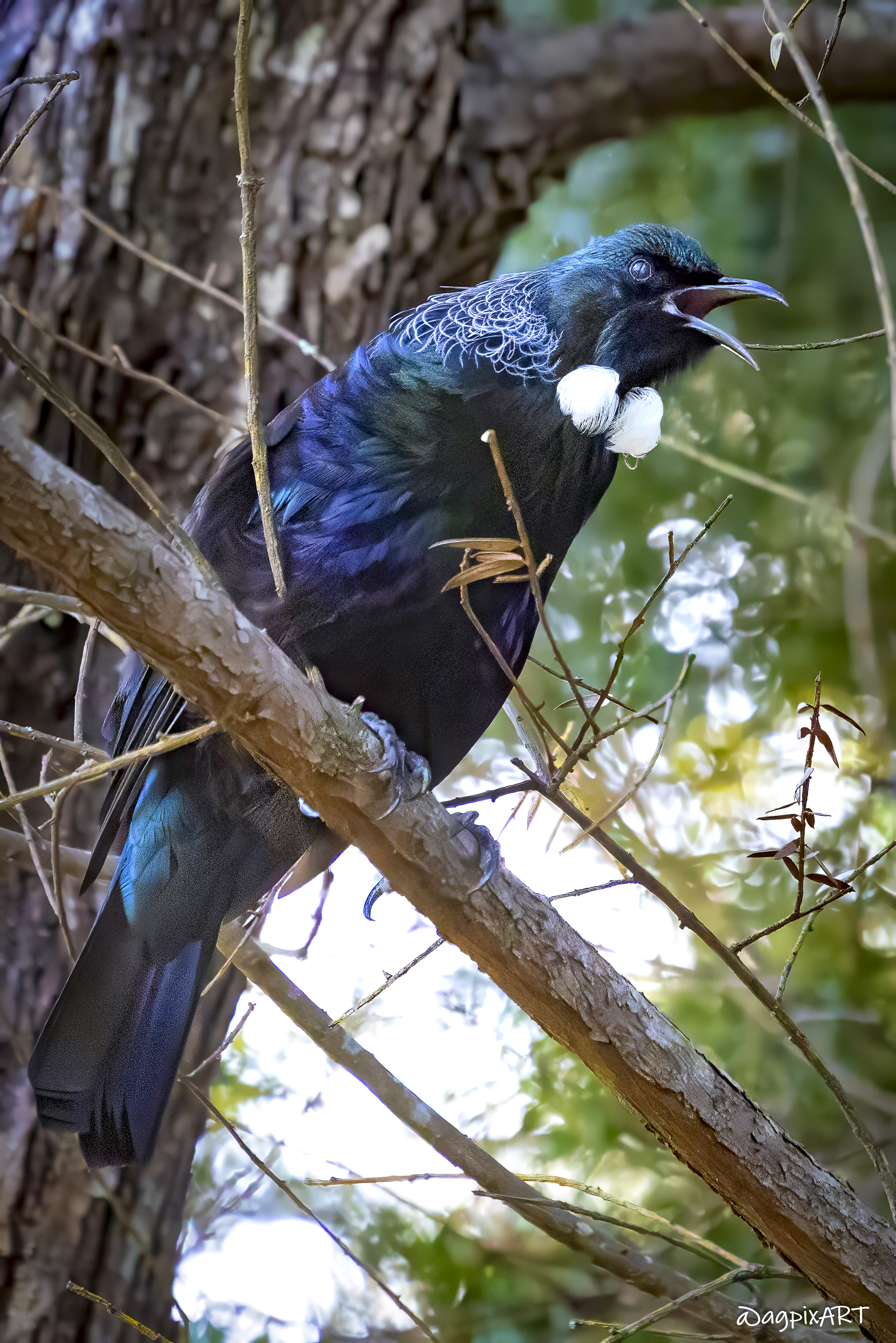
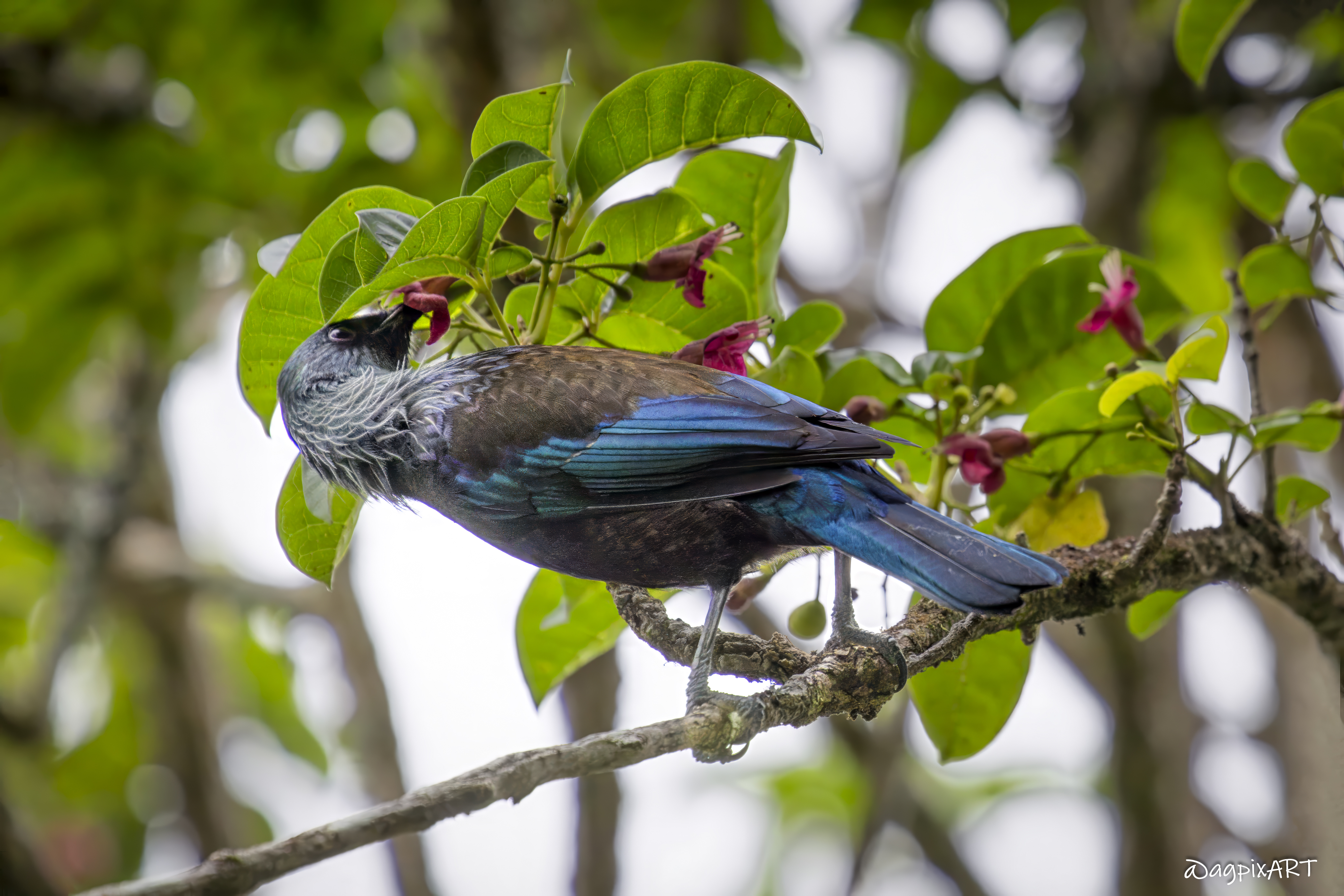
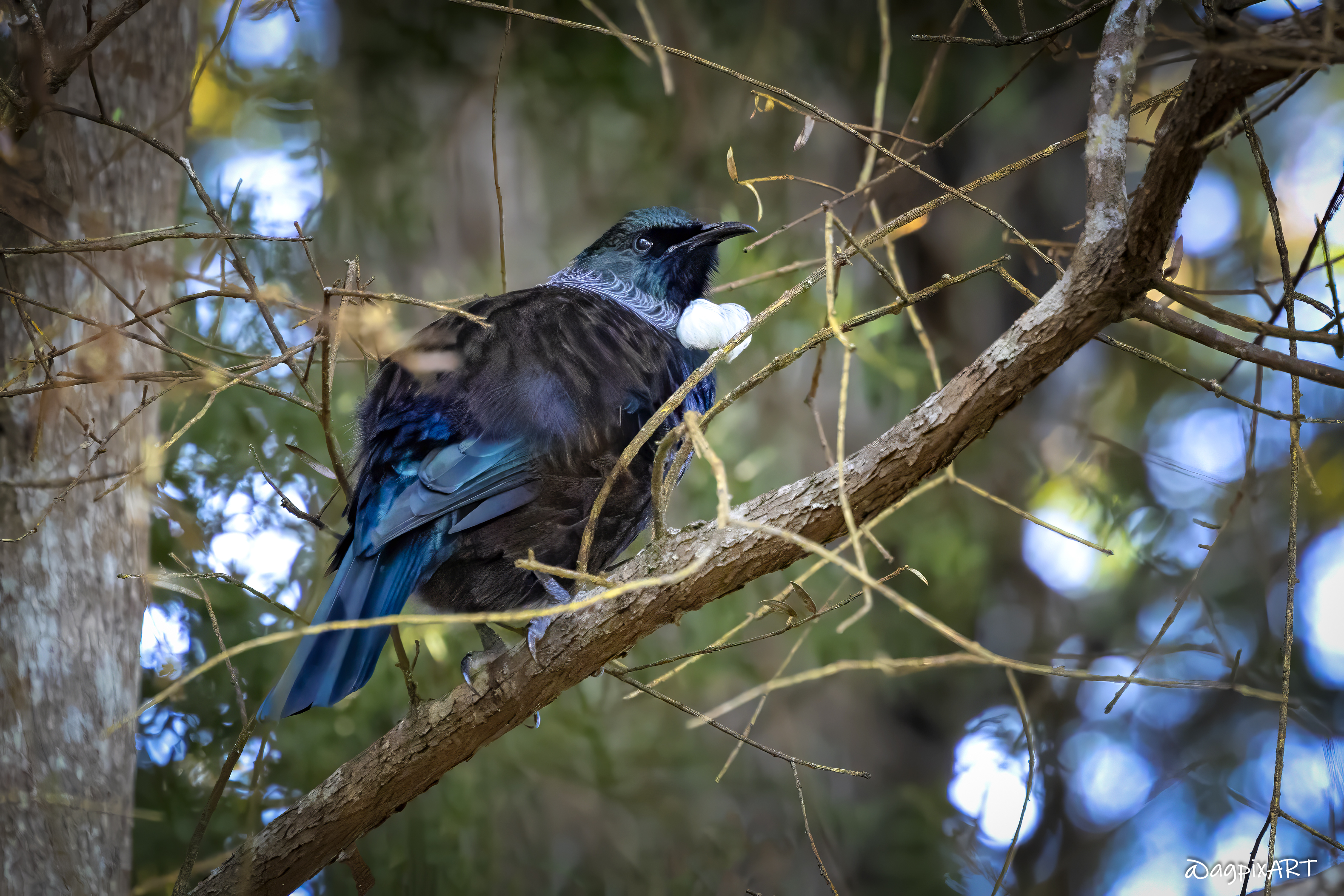
Tūī
The Tūī is one of NZ’s most iconic and beloved native birds. This striking honeyeater has glossy black feathers with a metallic green and purple sheen, and a distinctive white tuft of feathers at its throat. Famous for its incredibly varied and musical song, the Tūī can mimic other birds, ring tones, and even human speech. Highly energetic and territorial, it is commonly seen in gardens, forests, and flowering trees across the country, especially when feeding on nectar.
Tui male territorial calls.
Tui communication calls.
Credit: Department of Conservation NZ
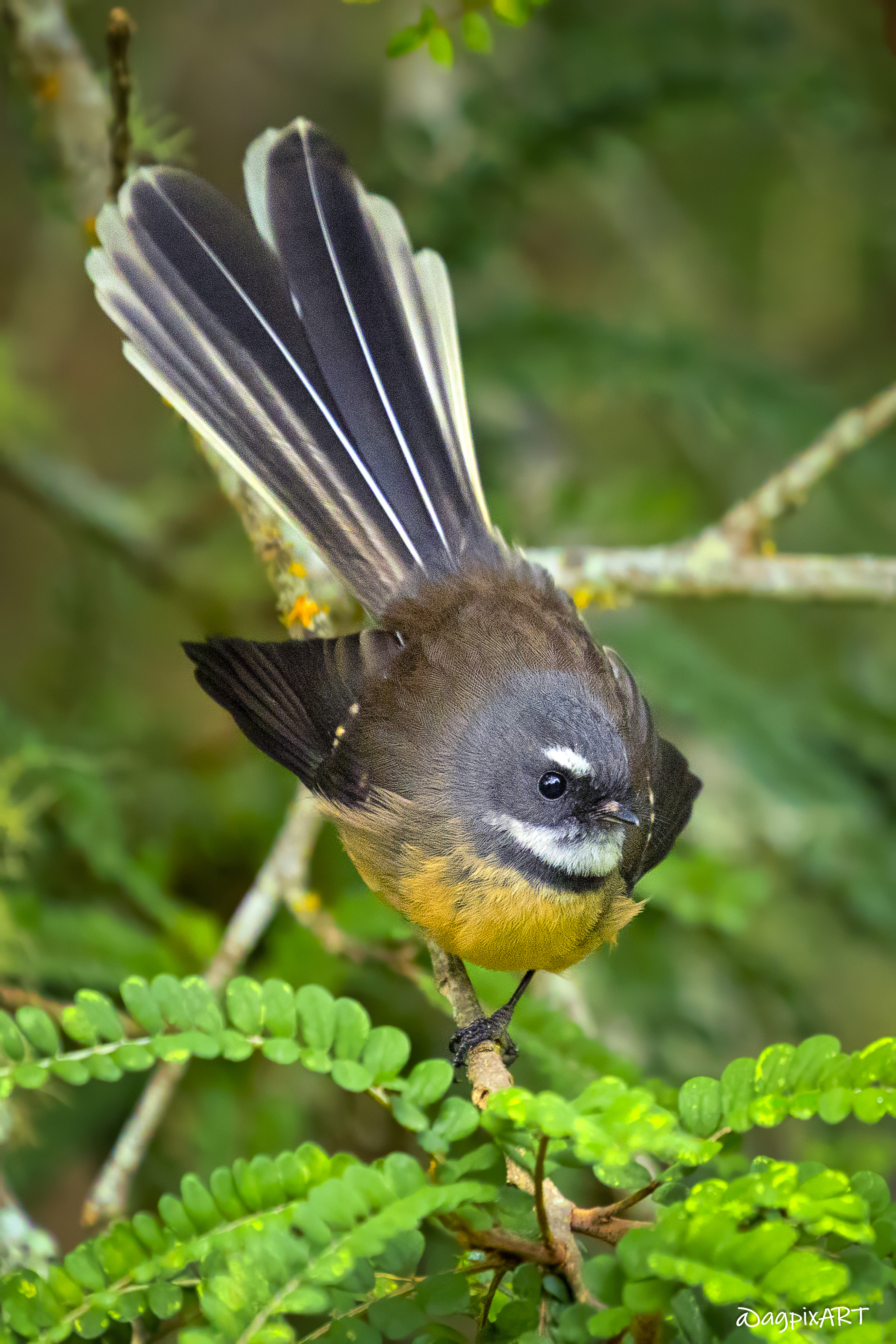
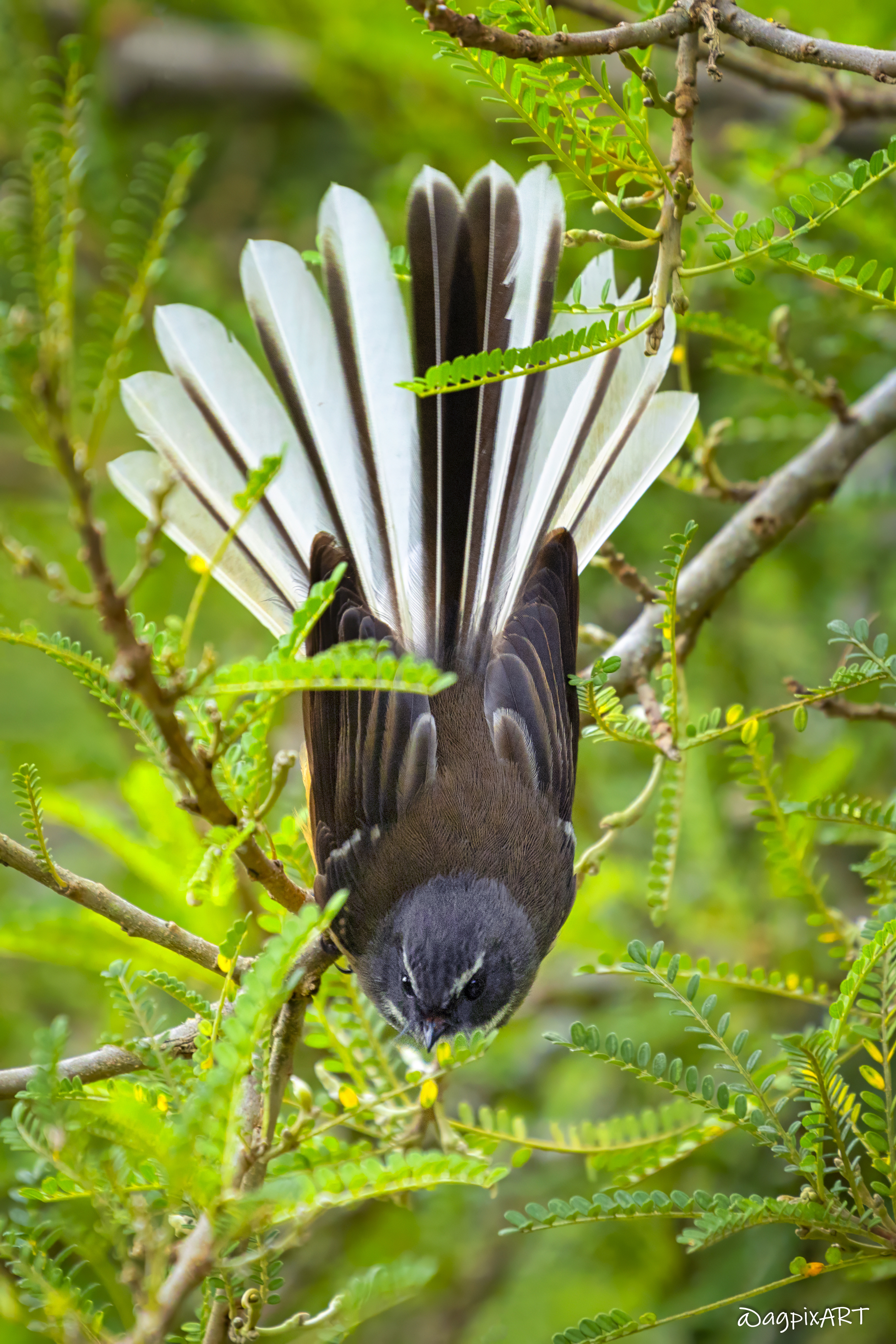
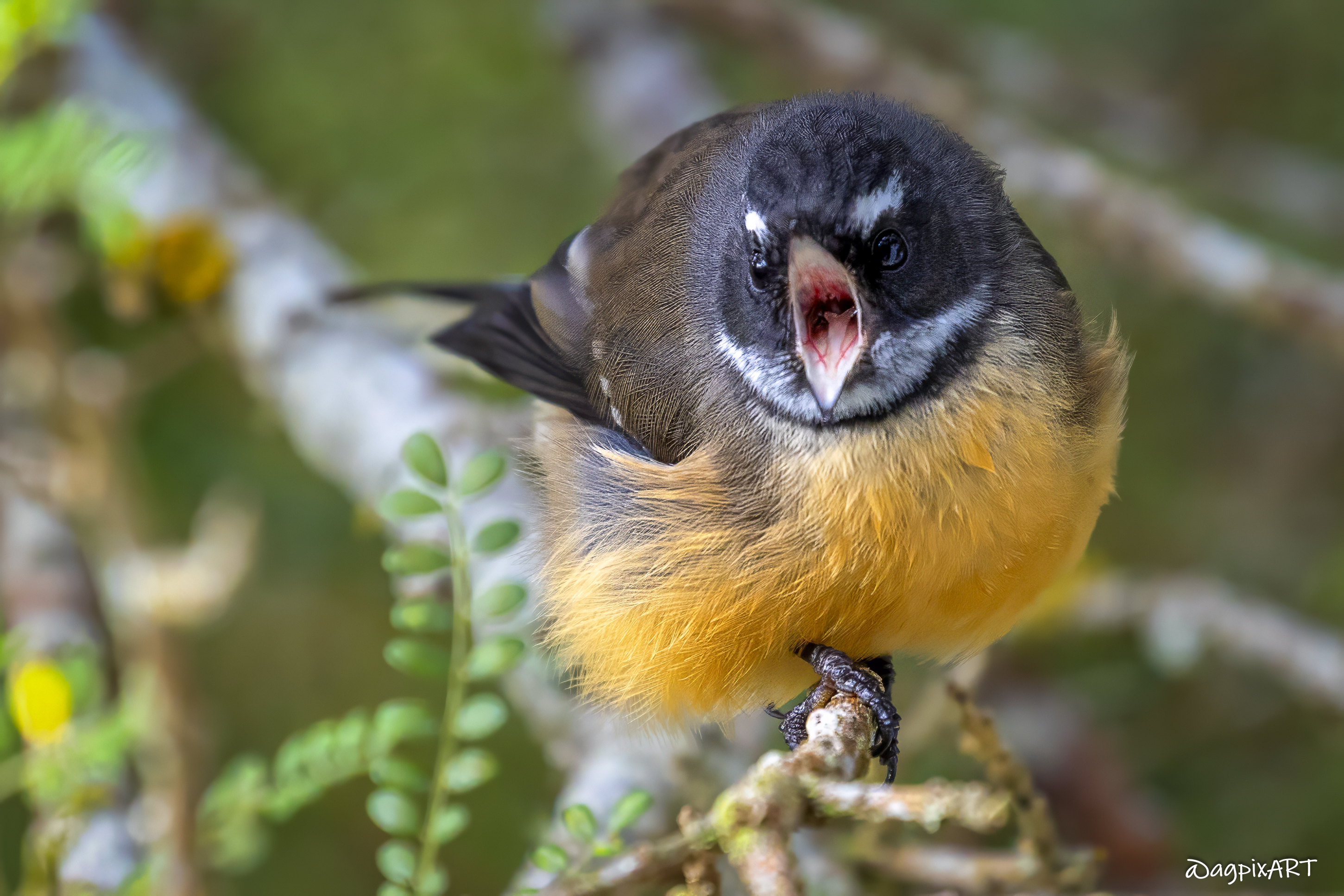
Fantail
The Fantail is one of NZ’s most charming and friendly native birds. This small, lively songbird is easily recognized by its distinctive fanned tail, which it spreads and twitches constantly while flitting through the air. Highly curious and bold, fantails often follow walkers through the forest, hawking insects stirred up by their footsteps. With its cheerful twittering calls and energetic movements, it is a delightful sight in gardens, native bush, and parks across the country.
Fantail male territorial song.
Credit: Department of Conservation NZ
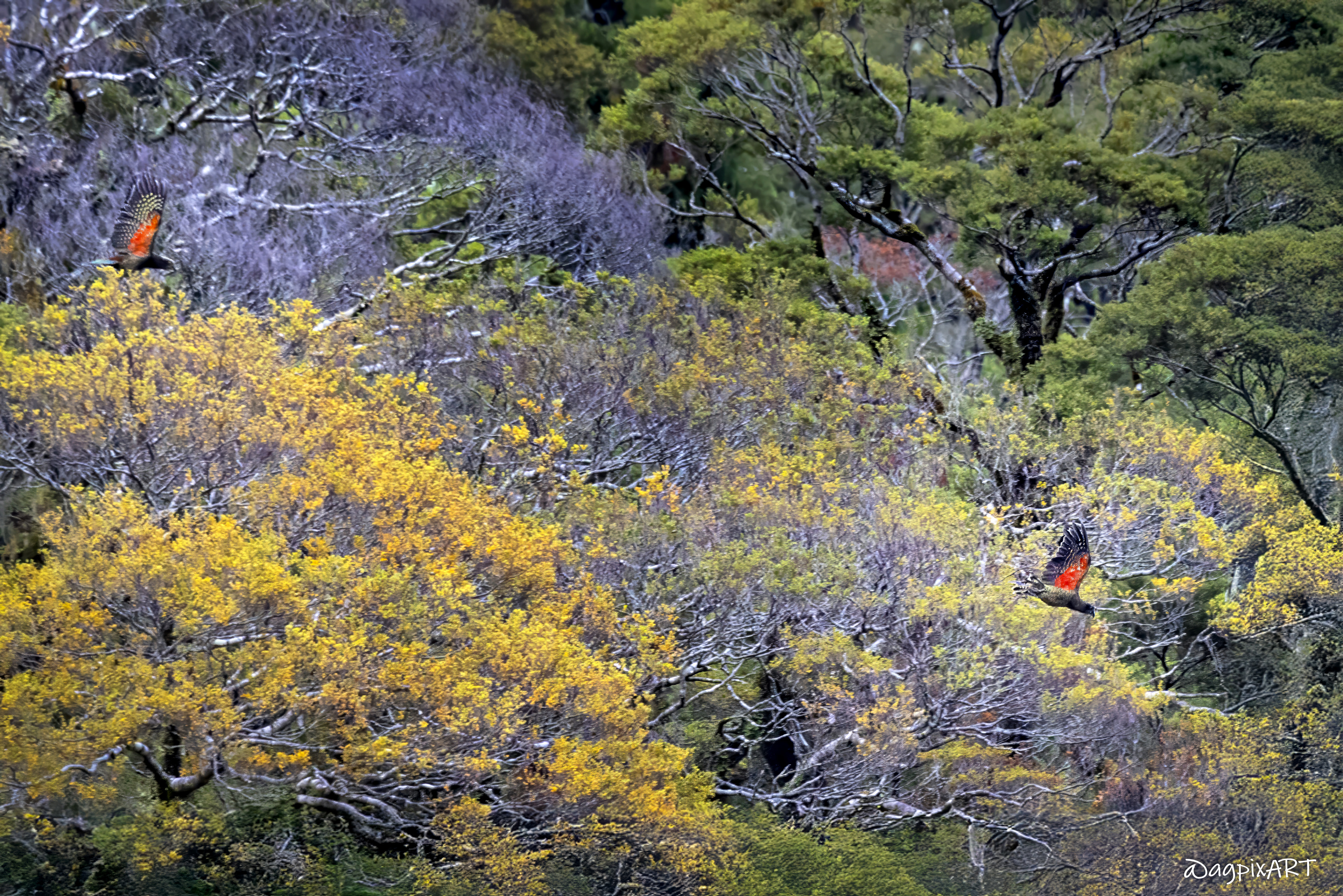
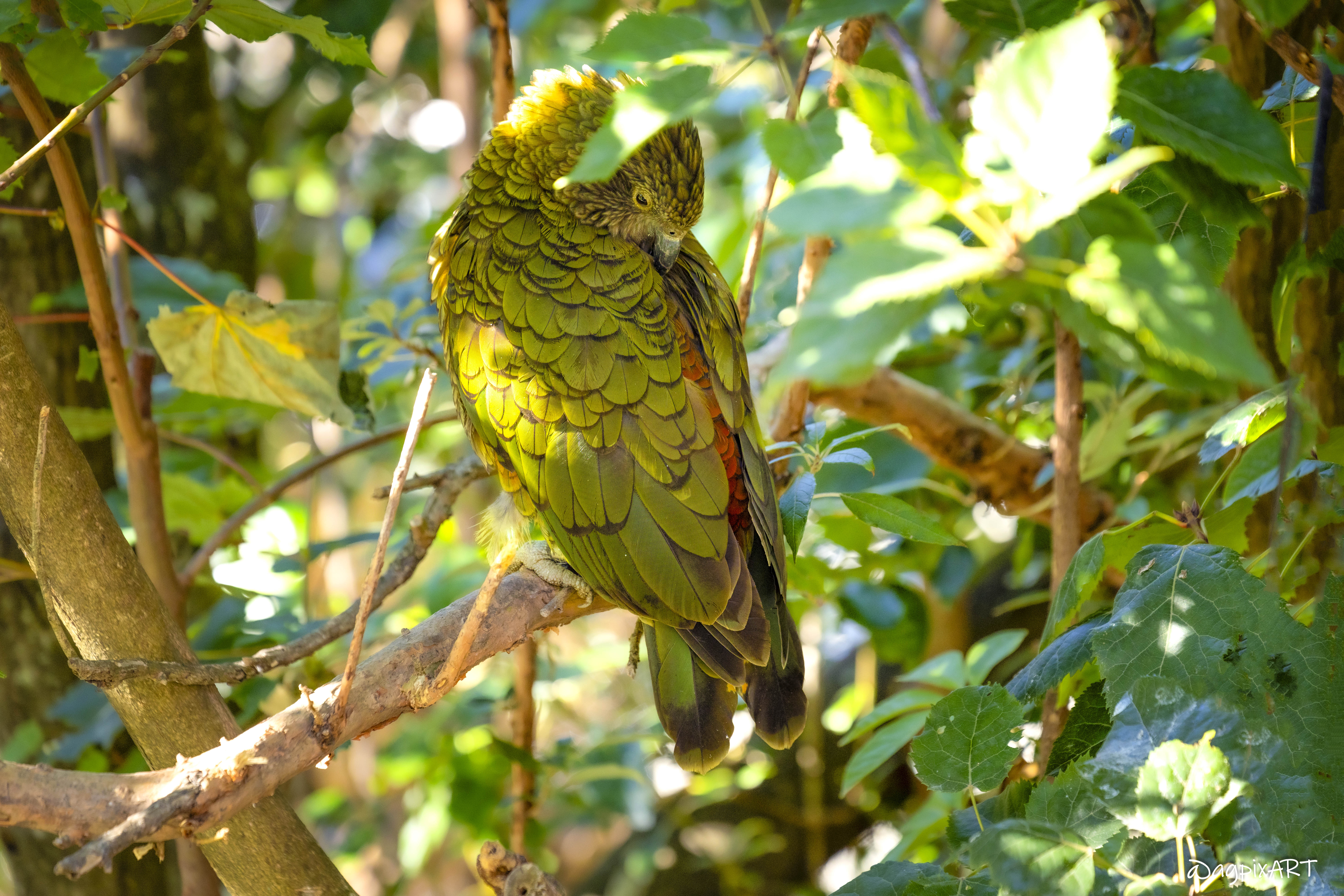
Kea
The Kea is NZ’s charismatic and intelligent alpine parrot. This large, strong-flying bird has olive-green plumage with striking scarlet underwings and a long, slender grey-black bill. Highly curious and playful, kea are famous for their bold interactions with people, often investigating cars, backpacks, and gear at South Island ski fields and mountain huts. In the past, they gained notoriety among early settler farmers for attacking sheep, but today they are a protected species and a major tourist attraction.
Kea responding to recordings of their calls.
Credit: Department of Conservation NZ
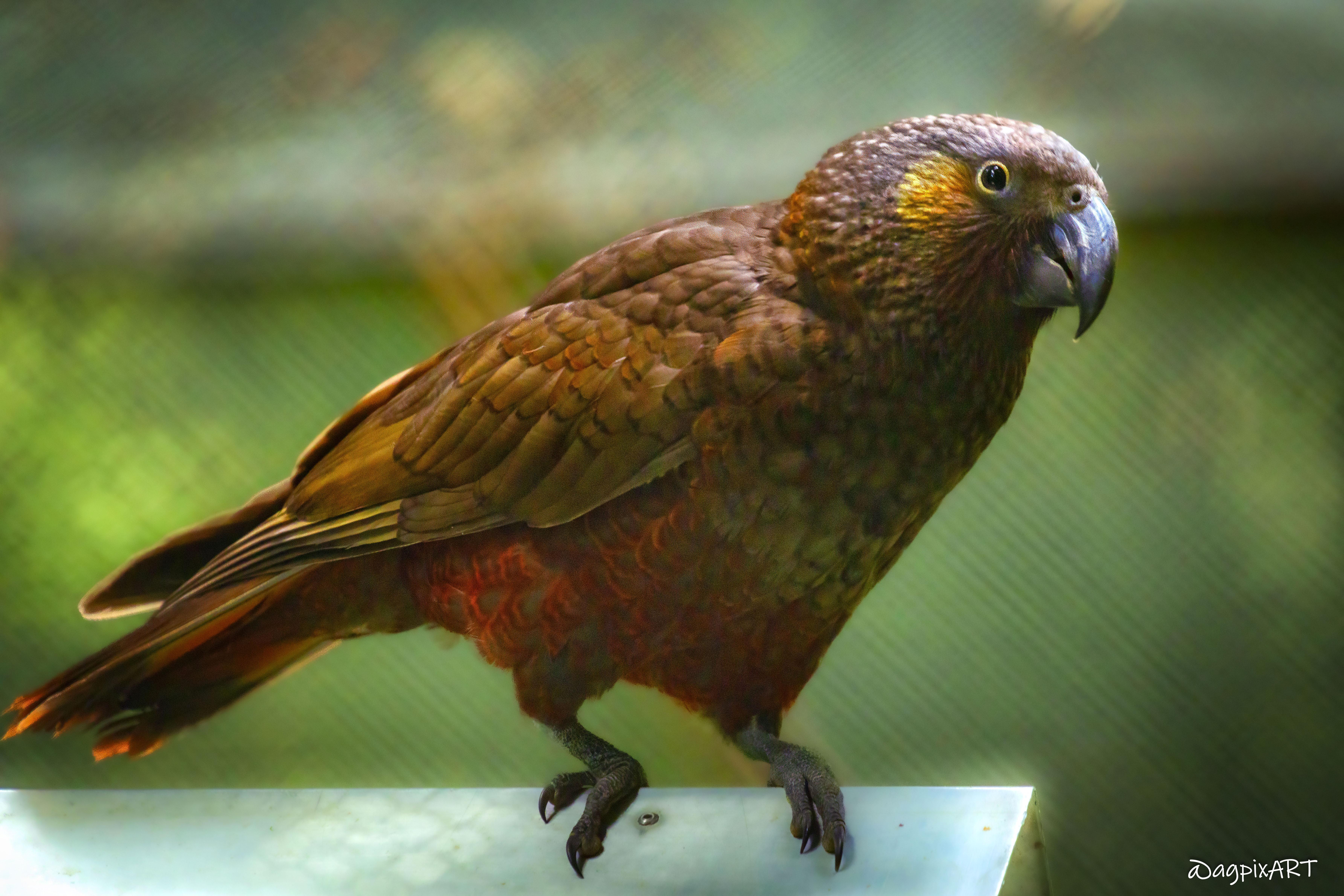
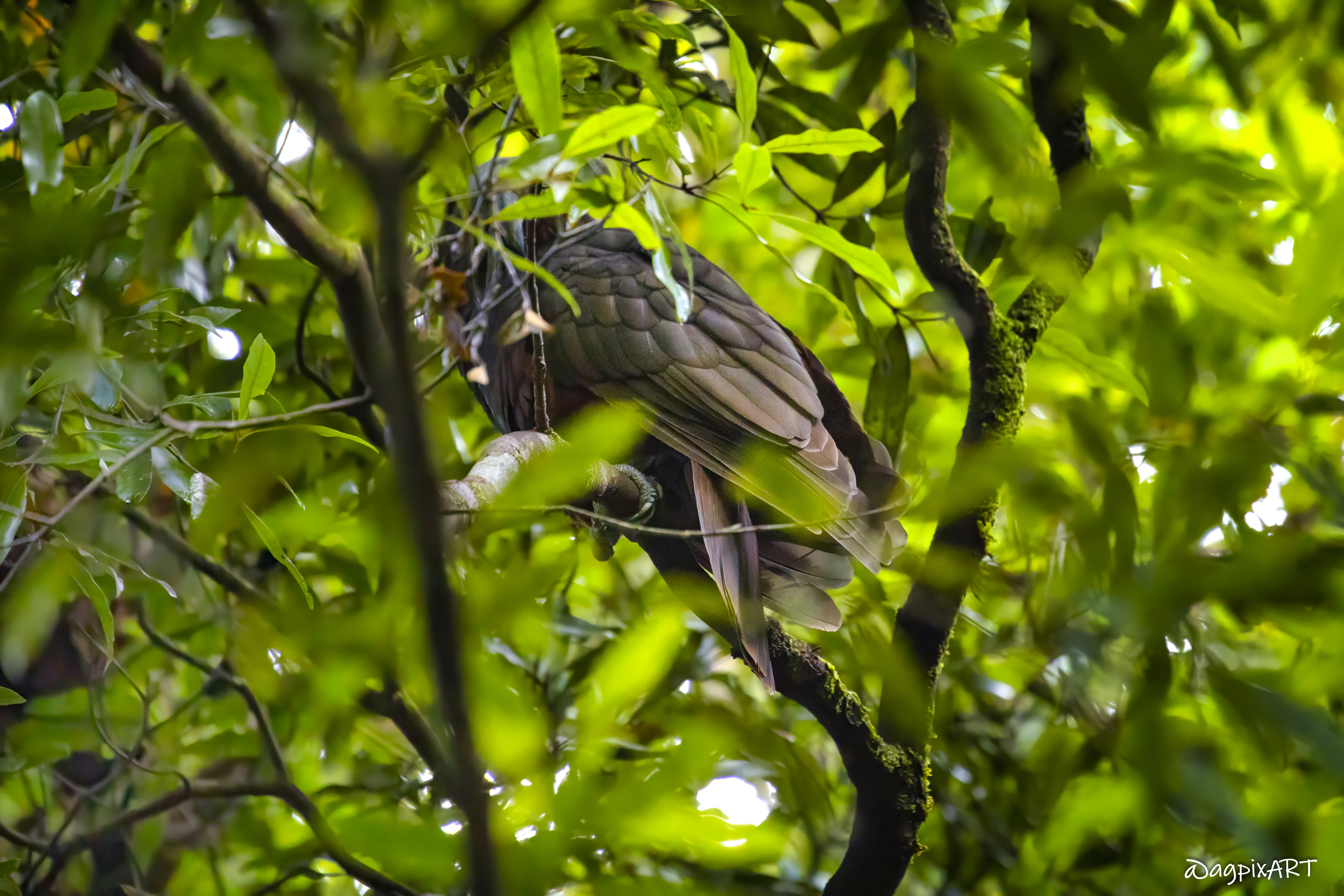
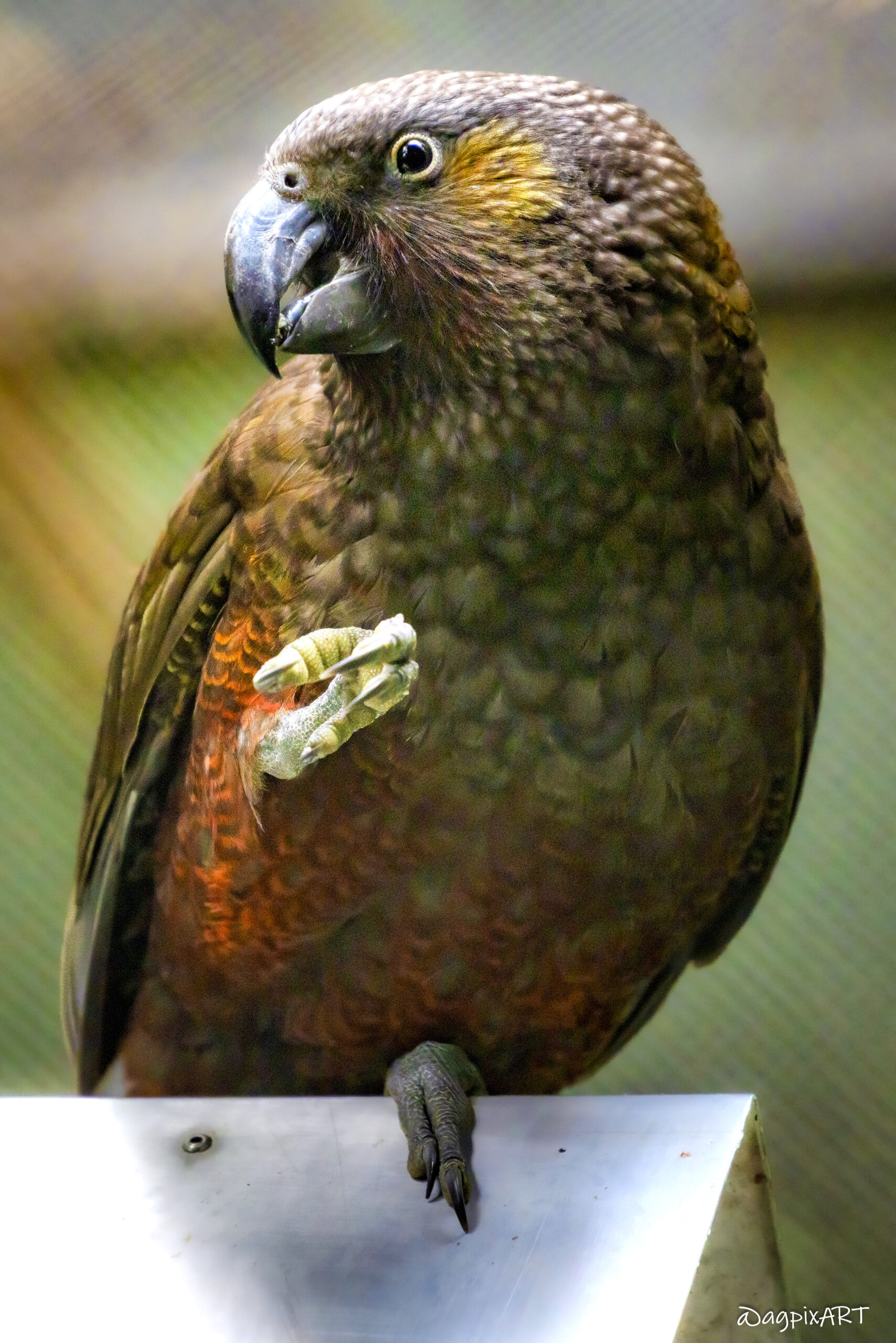
Kaka
The Kākā is a large, intelligent native forest parrot found only in NZ. It has olive-brown plumage with bright crimson underwings and belly, a long beak, and a loud, raucous call. Highly social and playful, kākā are excellent climbers and fliers, often seen in small noisy groups feeding on nectar, seeds, fruit, and tree sap. Once common across the country, they are now a success story of conservation, thriving particularly well in protected forests and on some predator-free islands.
North Island kākā song.
Credit: Department of Conservation NZ
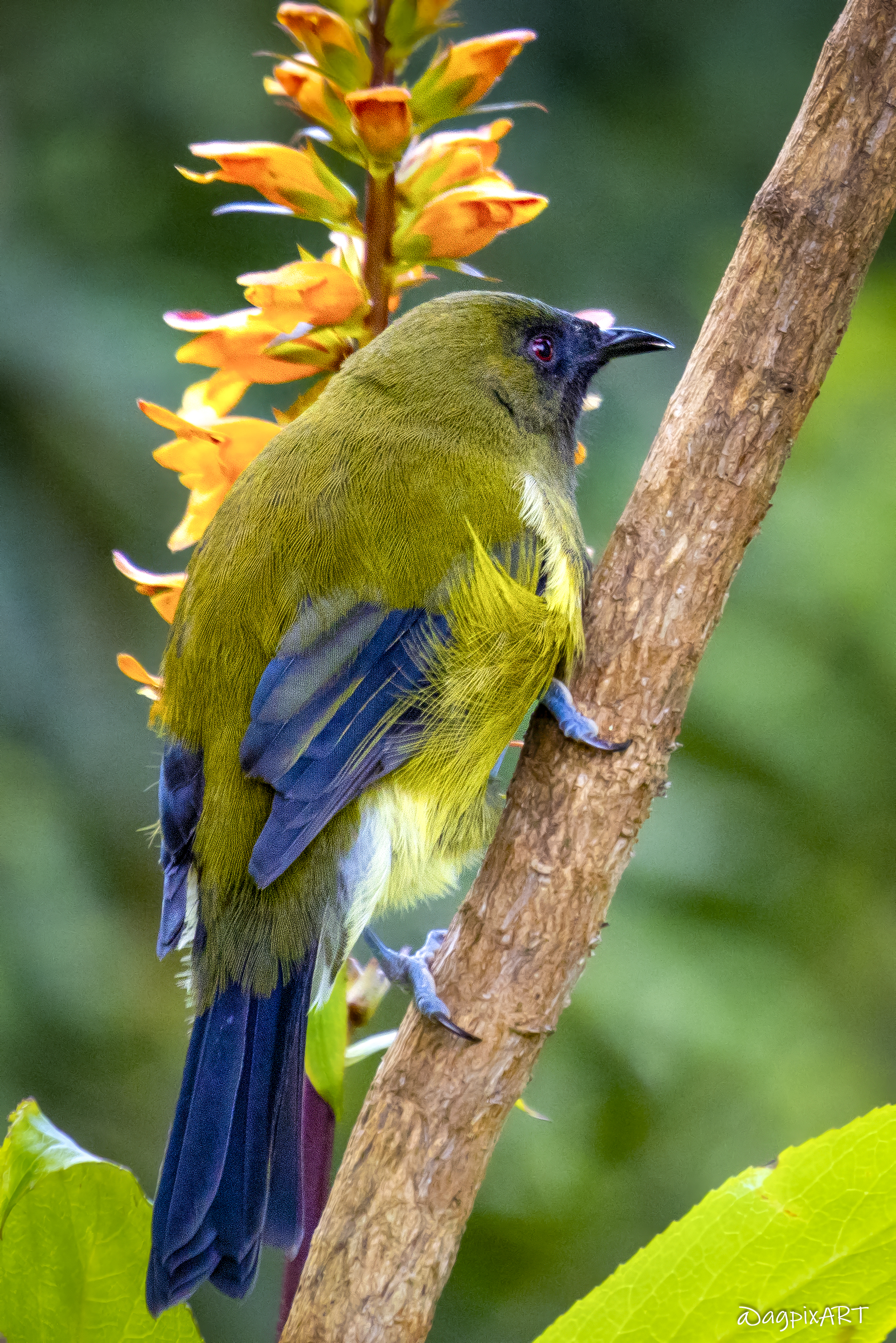
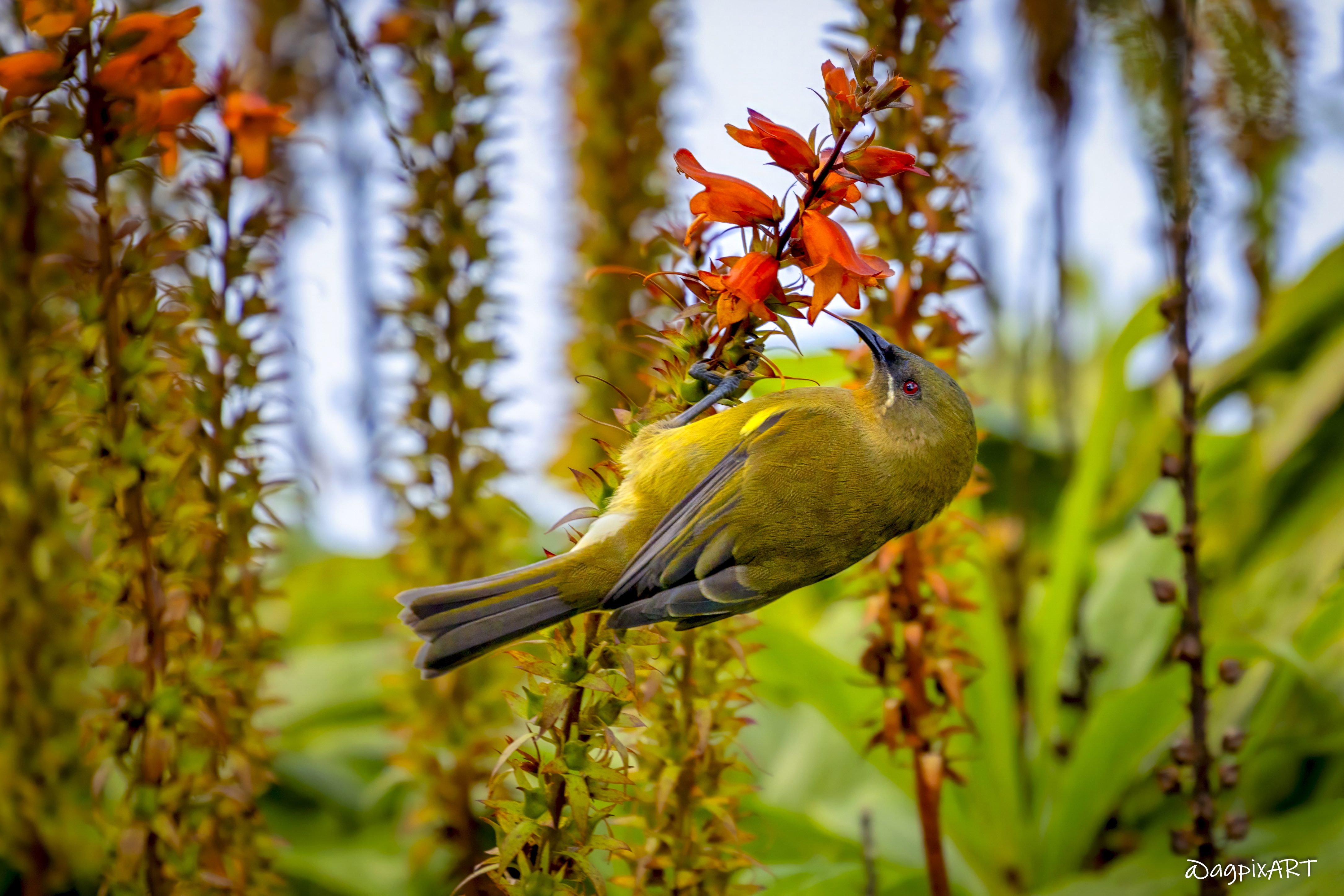
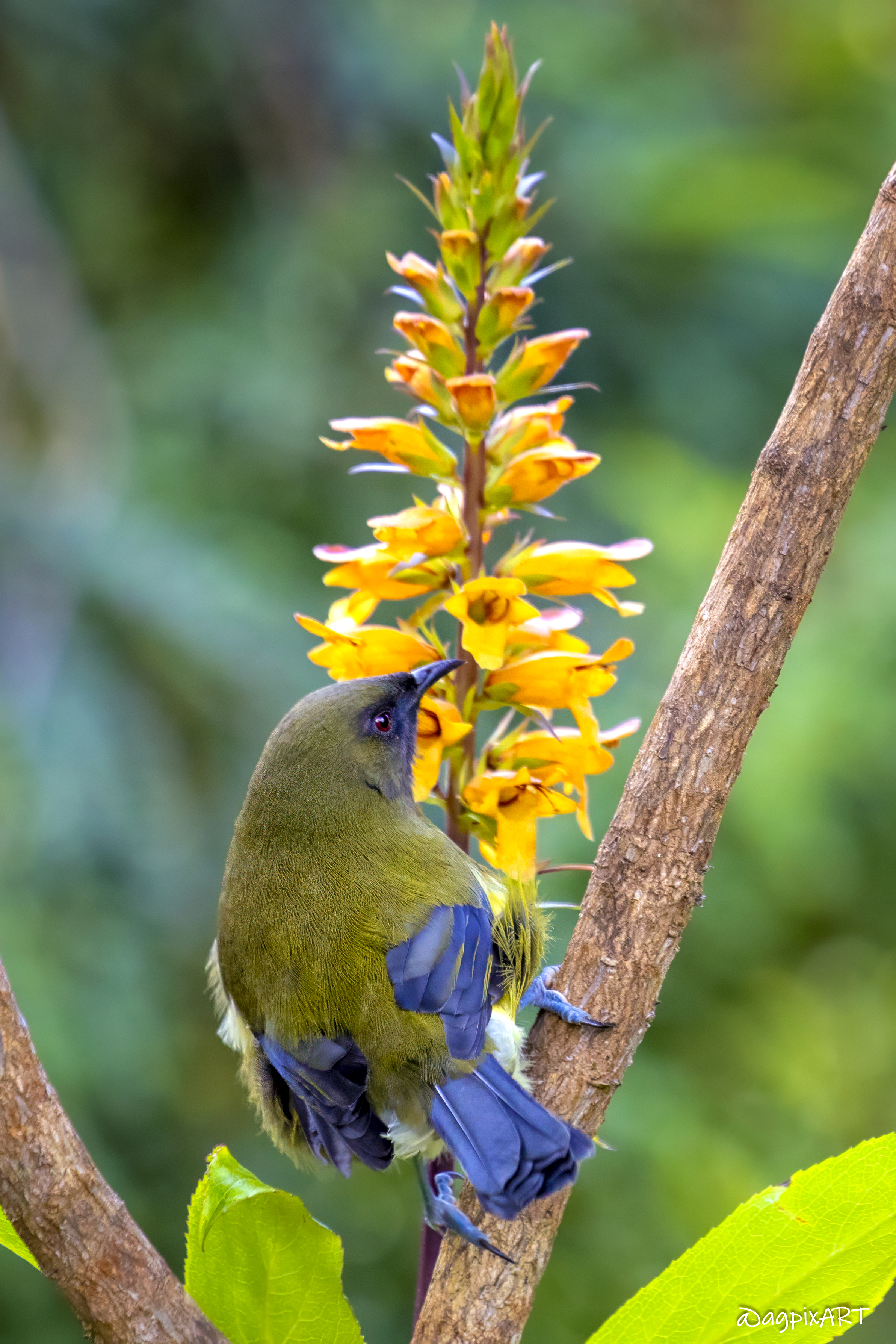
Bellbird
The Bellbird is one of NZ’s most beautiful songsters. A small olive-green honeyeater with a short curved beak, it is famous for its clear, ringing, bell-like notes that carry through the forest. Often heard before they are seen, bellbirds produce a rich, melodic song that many people consider even lovelier than the tūī’s. They are energetic nectar feeders and play an important role in pollinating native flowers. It is common in native forests, gardens, and parks.
Adult male.
Five adults singing on Little Barrier Island.
Credit: Department of Conservation NZ
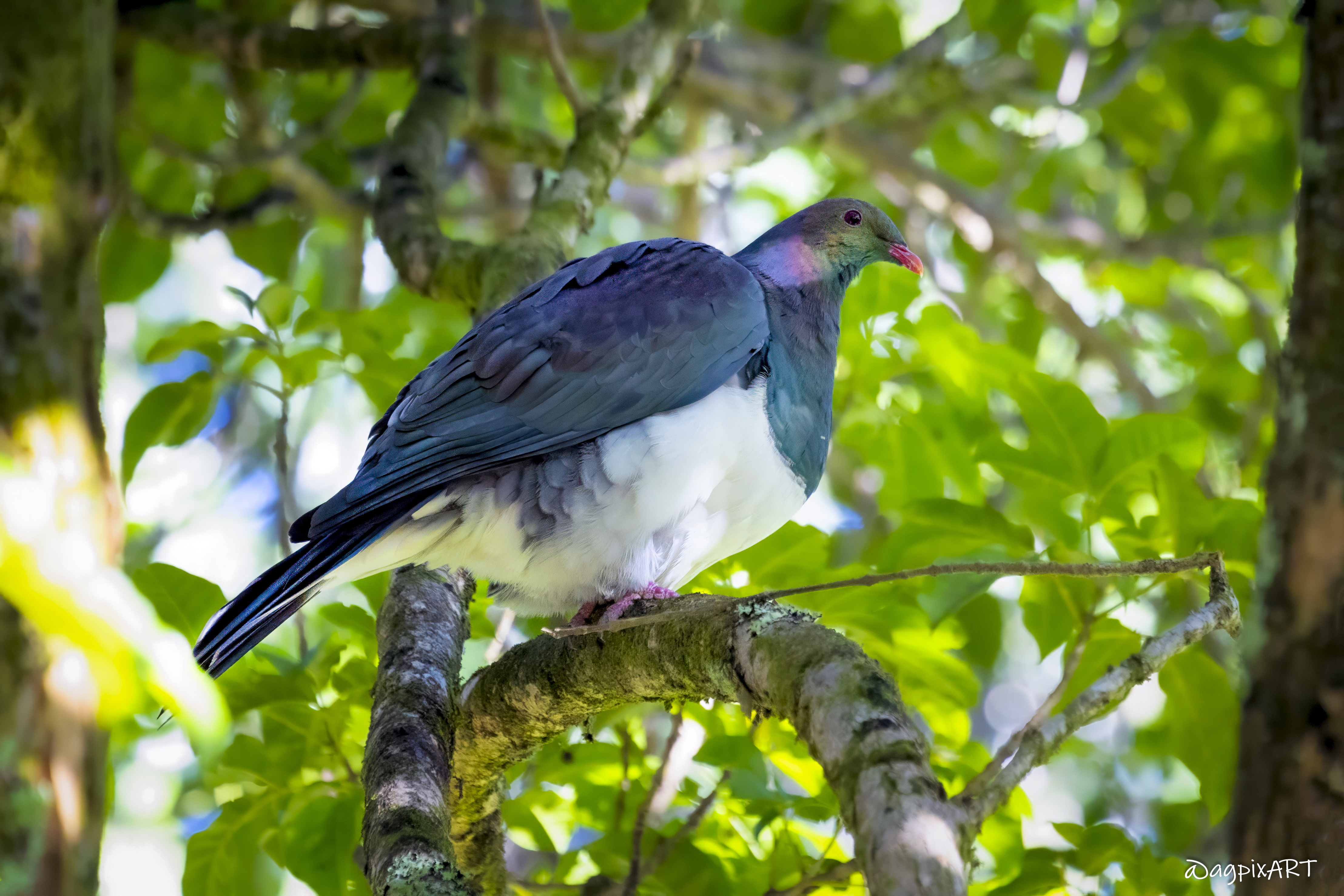
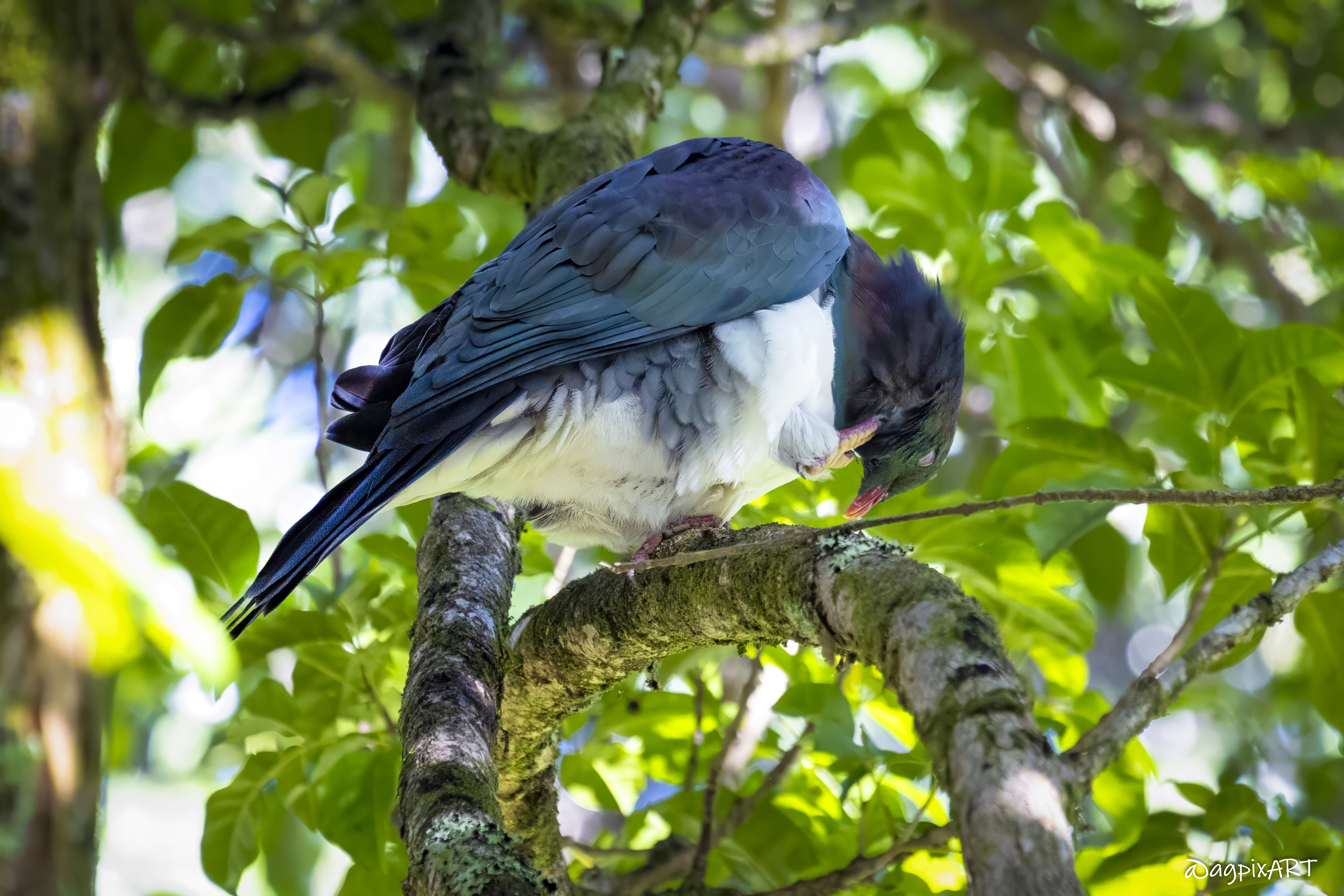
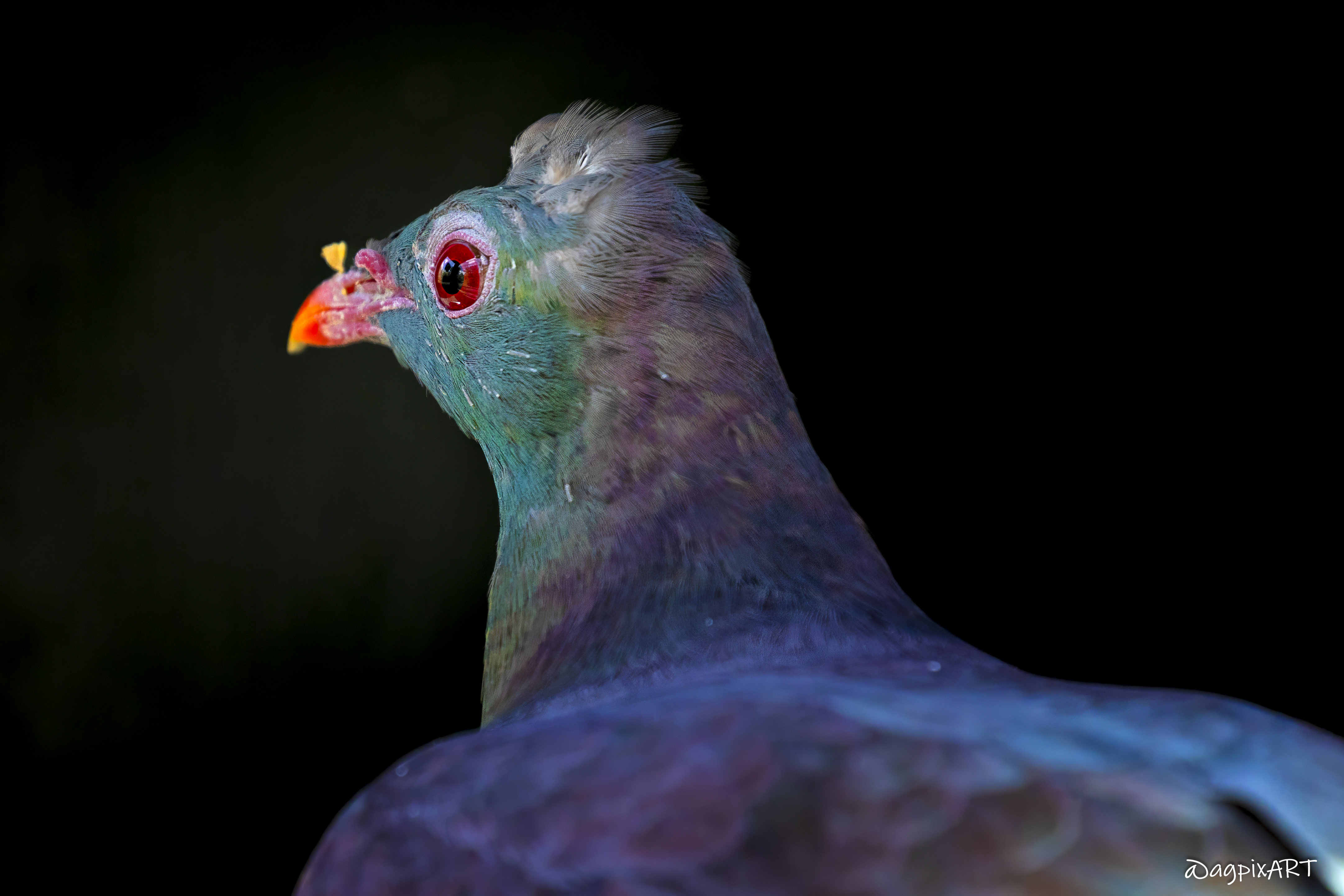
Kererū
The Kererū is one of NZ’s largest and most beautiful native birds. This striking forest pigeon has iridescent metallic green and bronze plumage on its head and body, with a crisp white belly and bright red beak and eyes. Known for its slow, noisy flight and deep “whooshing” wingbeats, it is often seen feeding on fruit, leaves, and flowers high in the canopy. Because of its fruit-heavy diet, the Kererū plays a vital role in seed dispersal for many native trees.
Three adults in song and in-flight wingbeats (cicadas in the background).
Credit: Department of Conservation NZ
Other Notable Birds in NZ
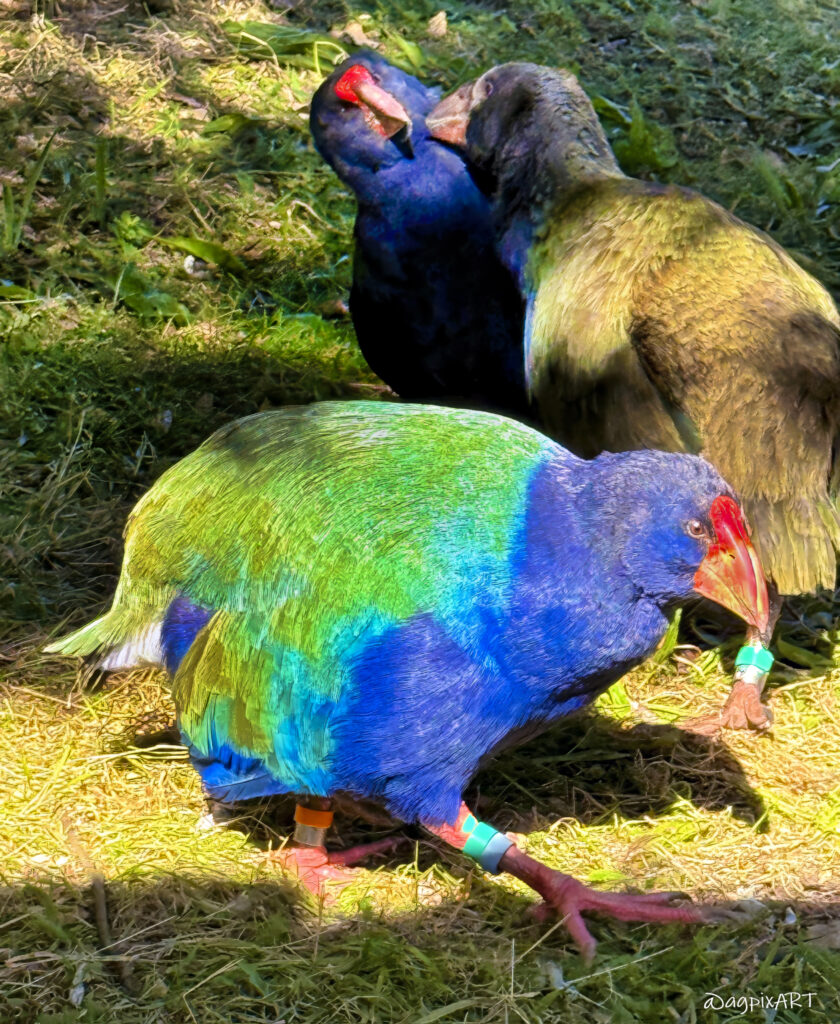
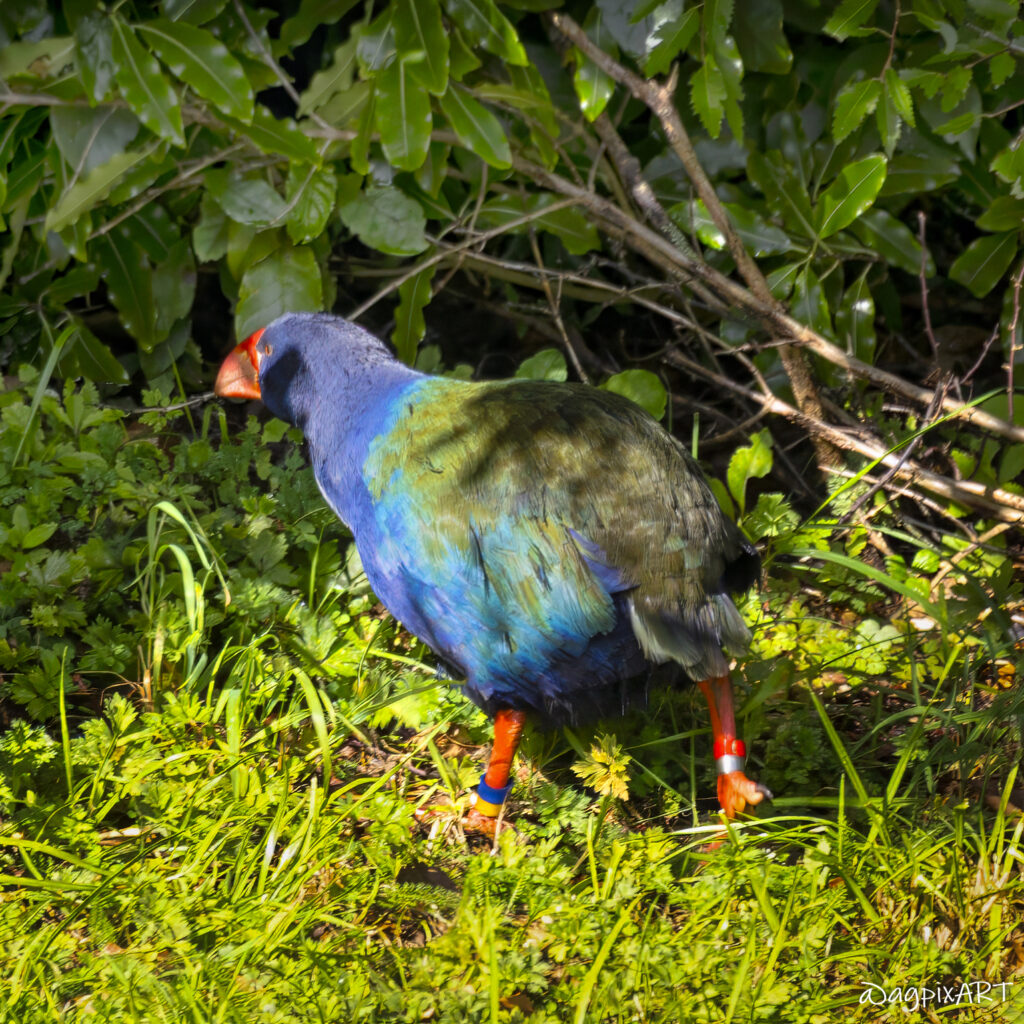
Takahē
This large, flightless rail has deep blue and iridescent green plumage, a bright red beak and legs, and a stocky build. Once thought to be extinct, the Takahē was dramatically rediscovered in 1948 in the remote Murchison Mountains. It is now a flagship conservation species, with carefully managed populations in the wild and in sanctuaries. Takahē are herbivores that graze on tussock grass and are known for their curious and calm nature.
Takahē song.
Credit: Department of Conservation NZ
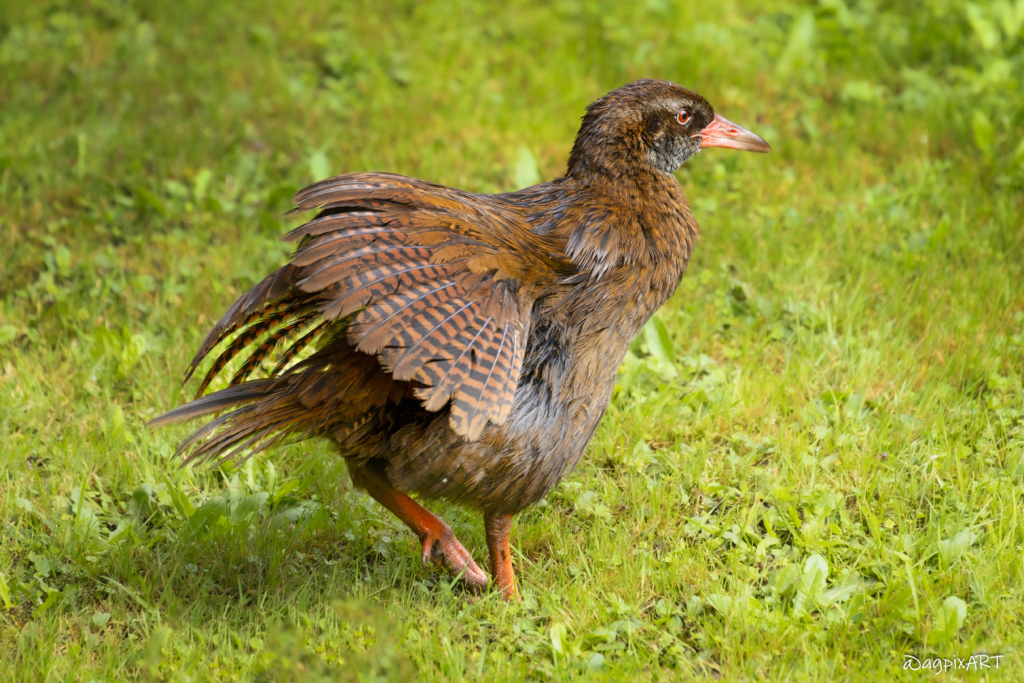
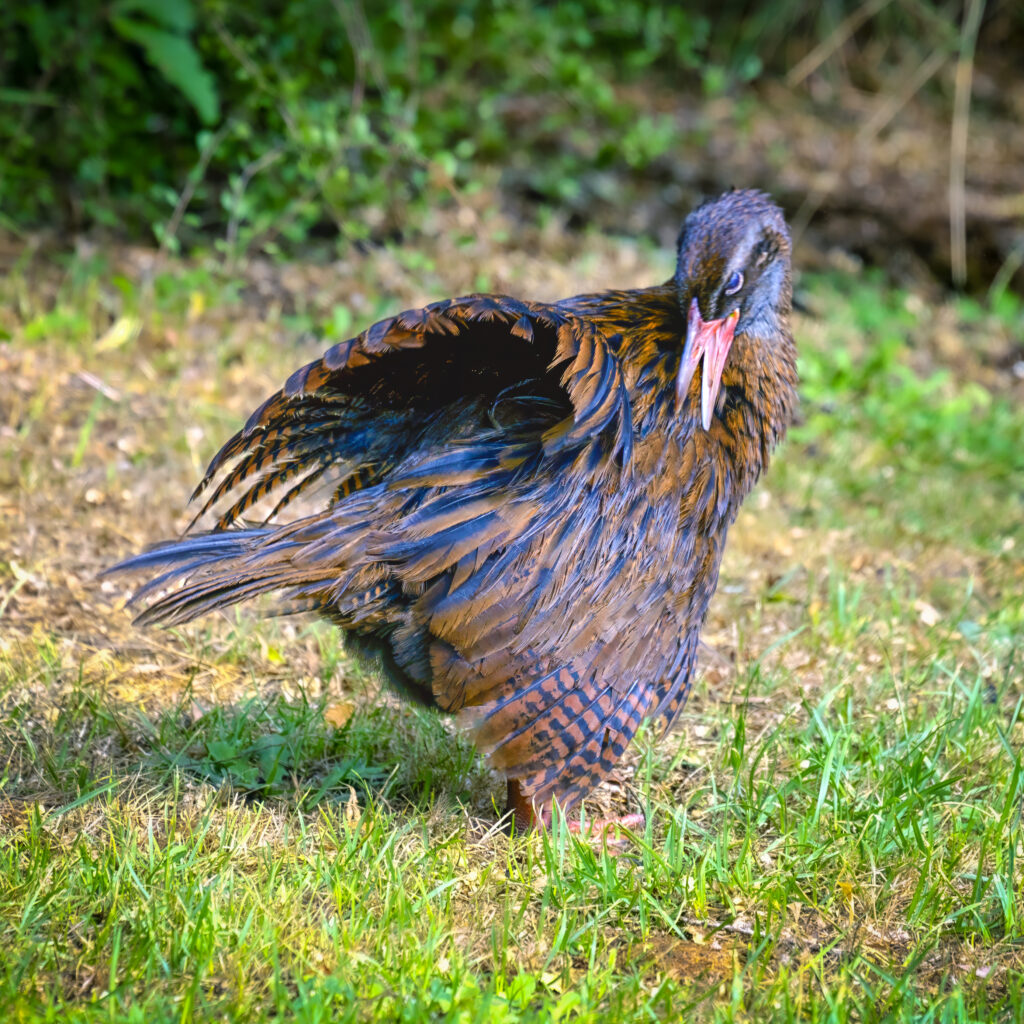
Weka
This bold, flightless rail is about the size of a small chicken with rich brown plumage, strong legs, and a distinctive red beak and eyes. Highly curious and opportunistic, weka are famous for their cheeky behaviour — they will raid campsites, steal shiny objects, and investigate anything new in their territory. Excellent runners and strong swimmers, they inhabit forests, coastal areas, and grasslands. They are intelligent with entertaining personality.
Adult Western weka song.
Credit: Department of Conservation NZ
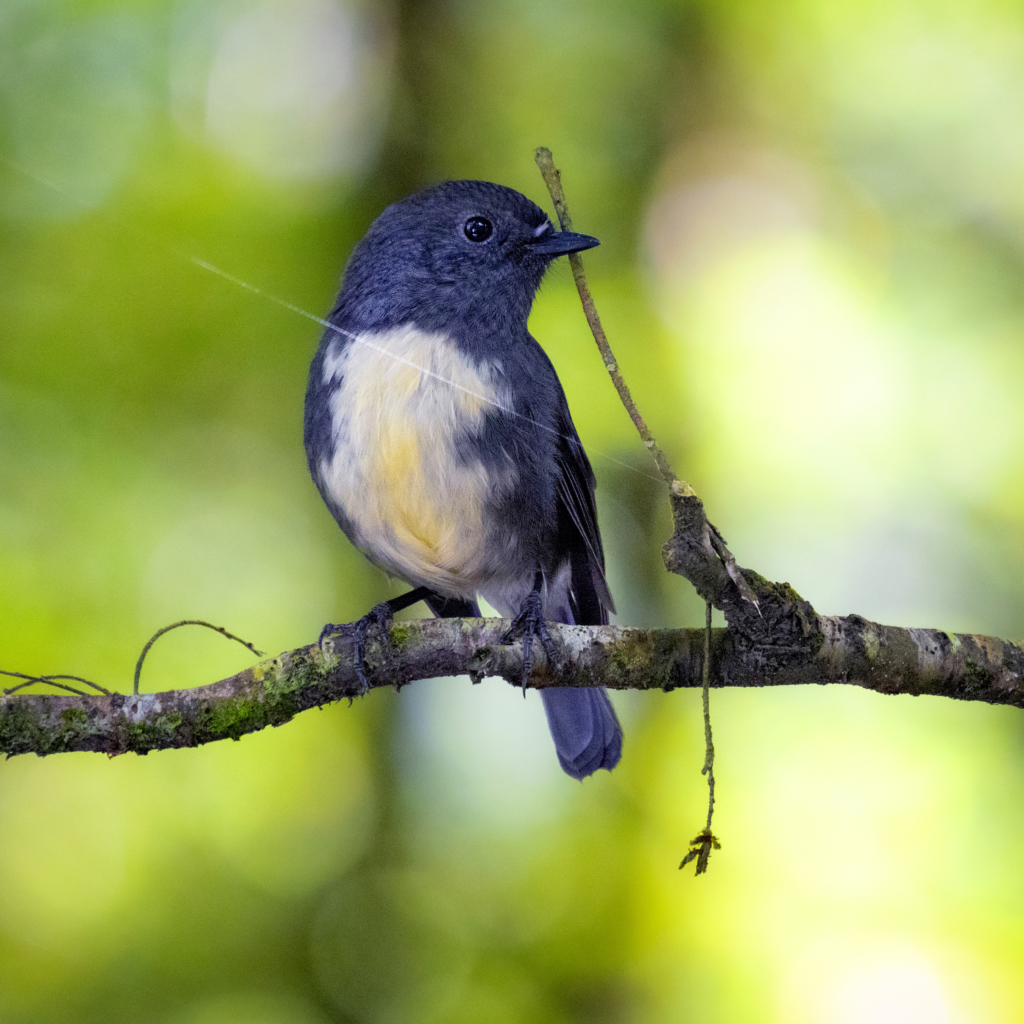
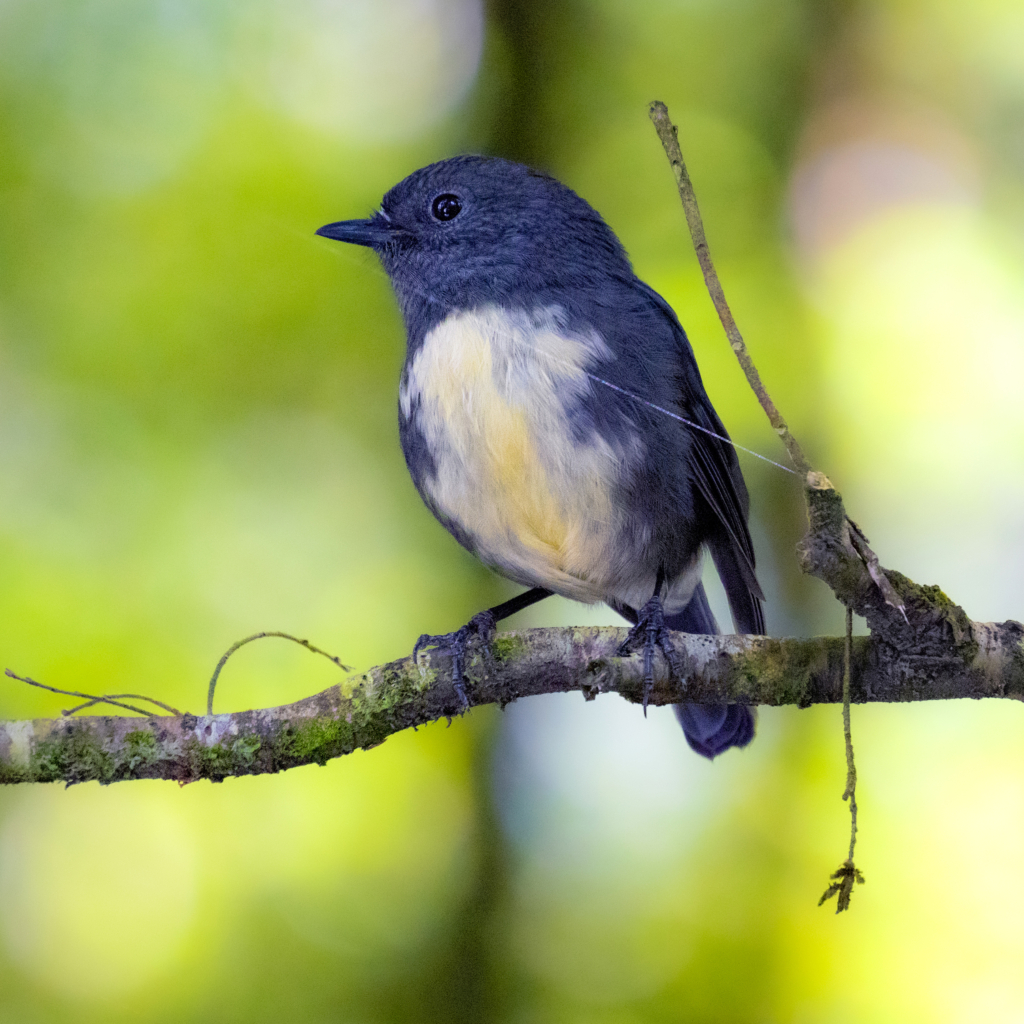
North Island Robin/Toutouwai
This is a small, friendly, and remarkably bold native songbird. It has dark charcoal-grey plumage with a clean white belly and large, dark eyes. Known for its curious and tame nature, it often hops right up to walkers on forest tracks, following them to catch insects stirred up by their footsteps. Once widespread, it disappeared from much of the mainland due to predators but is now thriving again in pest-controlled forests. It has a sweet, high-pitched song and fearless personality.
Robin song at Kowhai River, Kaikouras, Marlborough.
Credit: Department of Conservation NZ
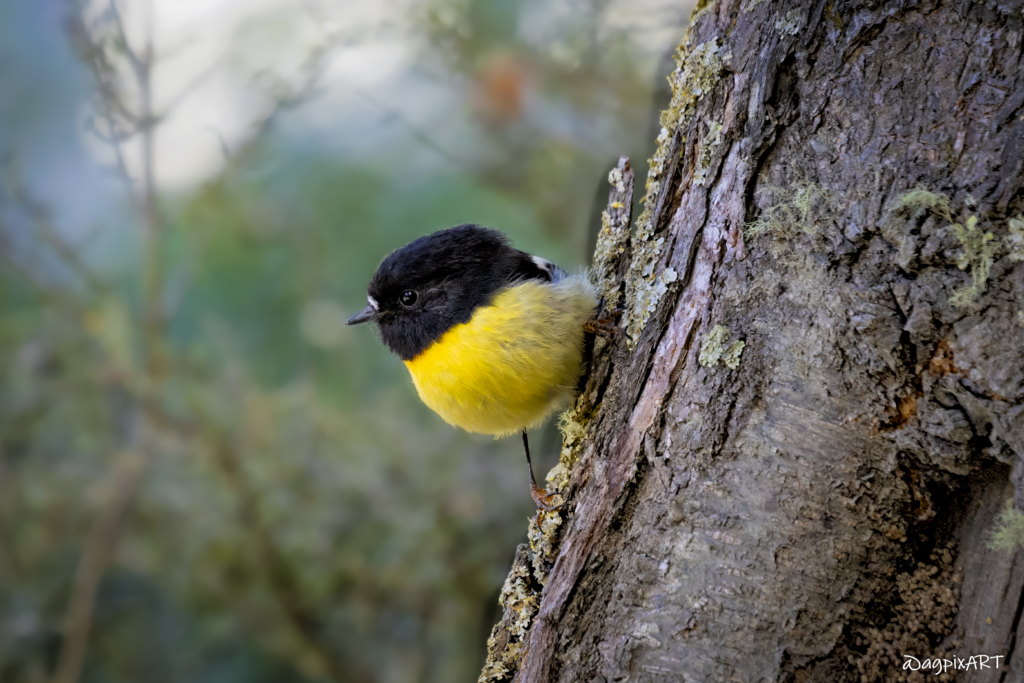
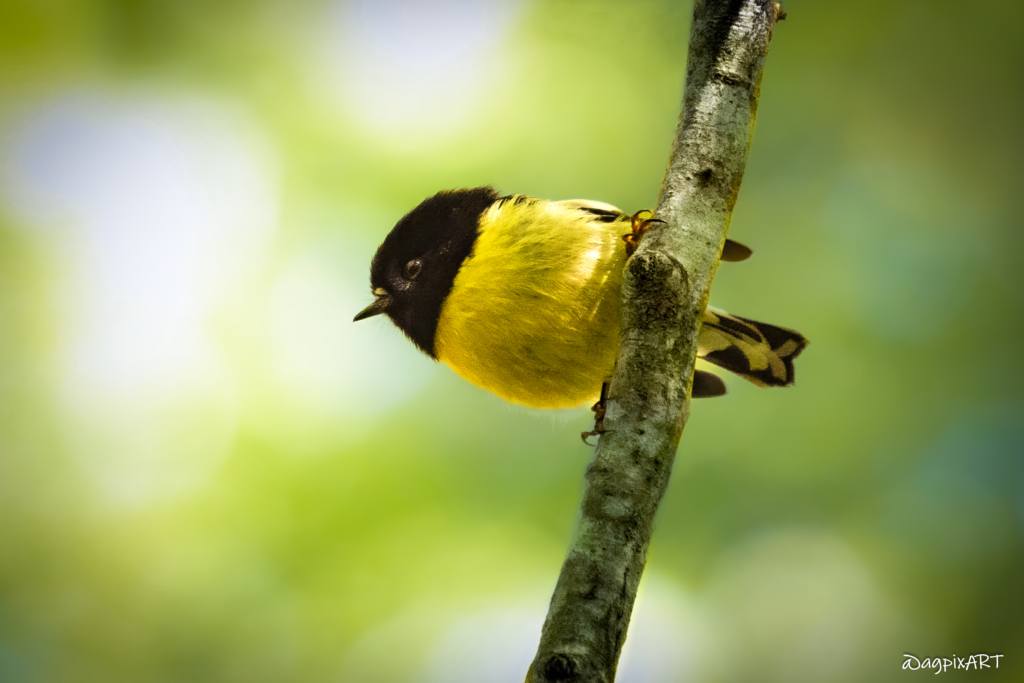
Tomtit/Miromiro/Adult Male
This small forest bird with a large head and striking black-and-white plumage (males) or brown-and-white (females), often with a yellow breast band is similar in personality to the North Island Robin. Tomtits are curious and active, often hopping close to people on forest tracks to catch insects. They are widespread in native forests, particularly on the South Island and on some offshore islands, and are known for their sharp “cheet” call and agile hunting style.
Adult male South Island tomtit on Rabbit Island, Nelson.
Credit: Department of Conservation NZ
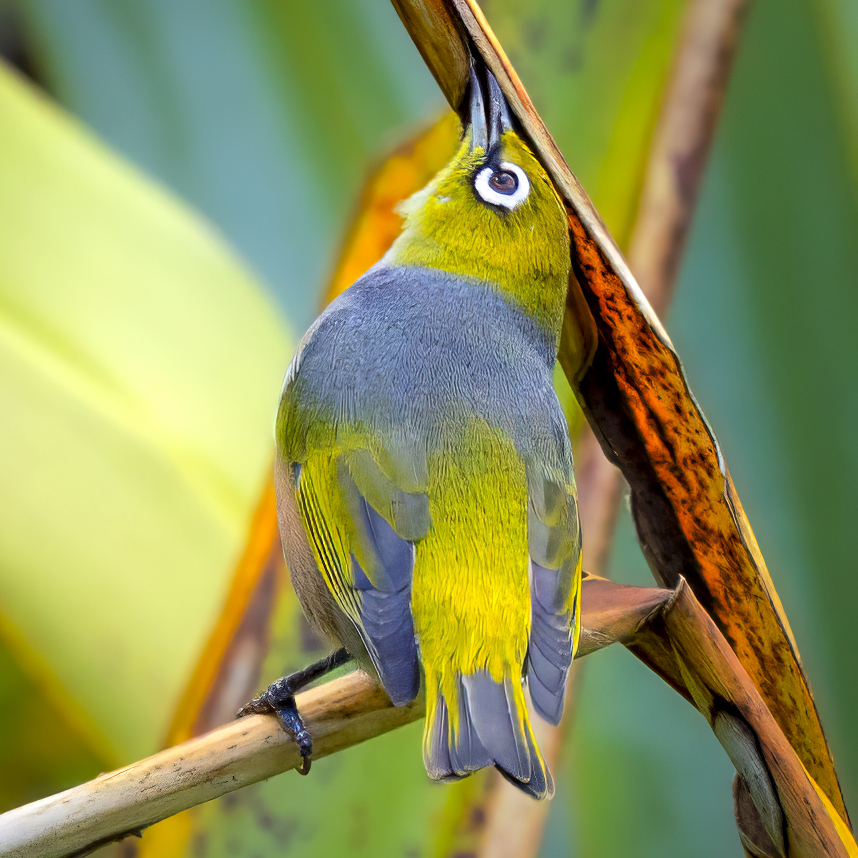
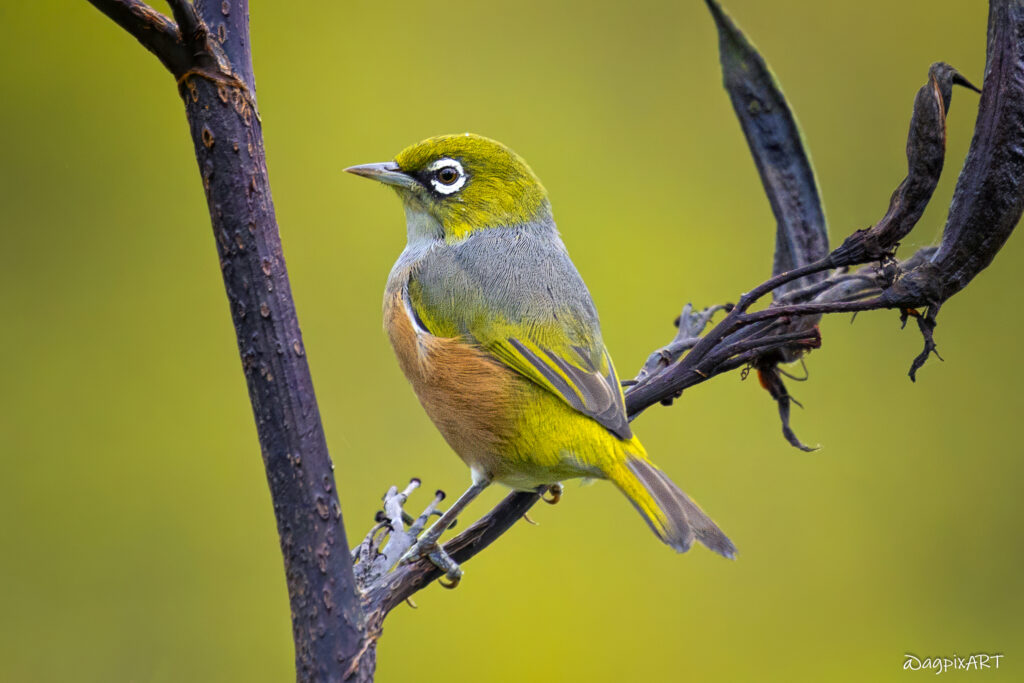
Silvereye/Tauhou
It is a small, lively native songbird. It has bright olive-green plumage, a distinctive white ring around its eye, and a pale belly. Highly social and energetic, silvereyes travel in noisy flocks, feeding on nectar, fruit, and insects in gardens, forests, and orchards. Originally self-introduced from Australia in the 1800s, they are now one of the most widespread and easily seen native birds in the country. Their cheerful twittering calls are a familiar sound in backyards and parks.
Song at Apple Valley Road, west of Nelson.
Credit: Department of Conservation NZ
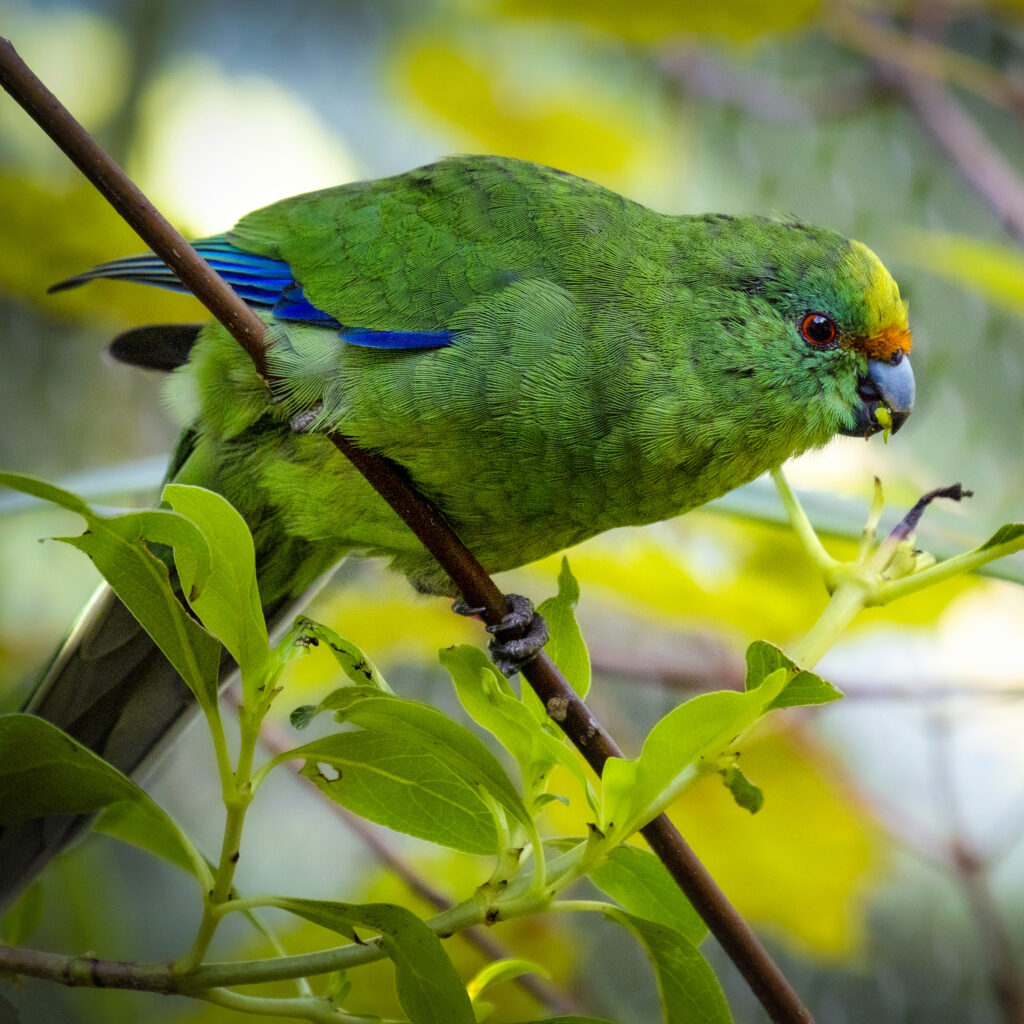
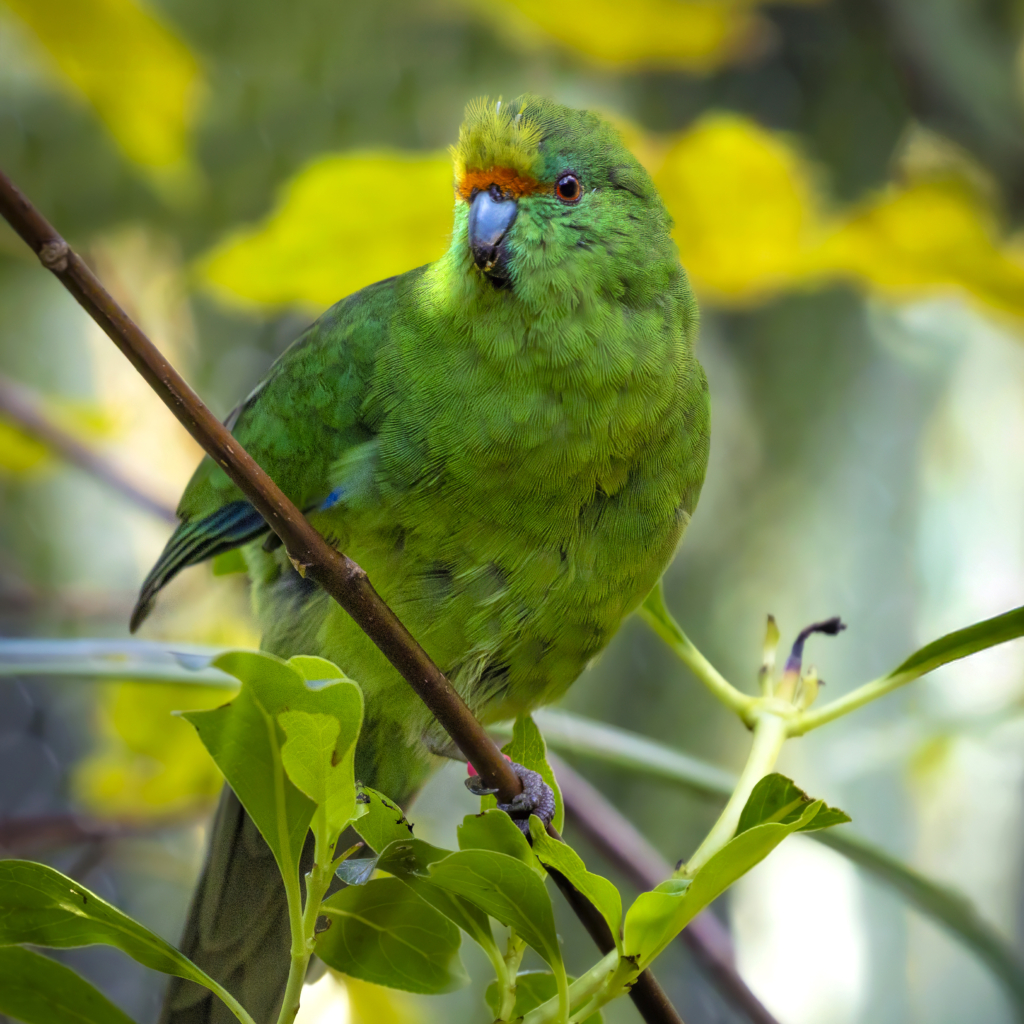
Yellow-Crowned Kākāriki
This is a small, vibrant native NZ parakeet. It is easily recognized by its bright emerald-green body, striking yellow crown and forehead, and red patches on the sides of its rump. Smaller and quieter than the Red-crowned Kākāriki, it is a fast, agile flier that feeds on seeds, berries, leaves, and flowers. It is mostly found in the South Island beech forests and on several offshore islands. It is highly social and playful.
Orange-fronted parakeet giving territorial calls and other captive yellow-crowned parakeets nearby.
Credit: Department of Conservation NZ
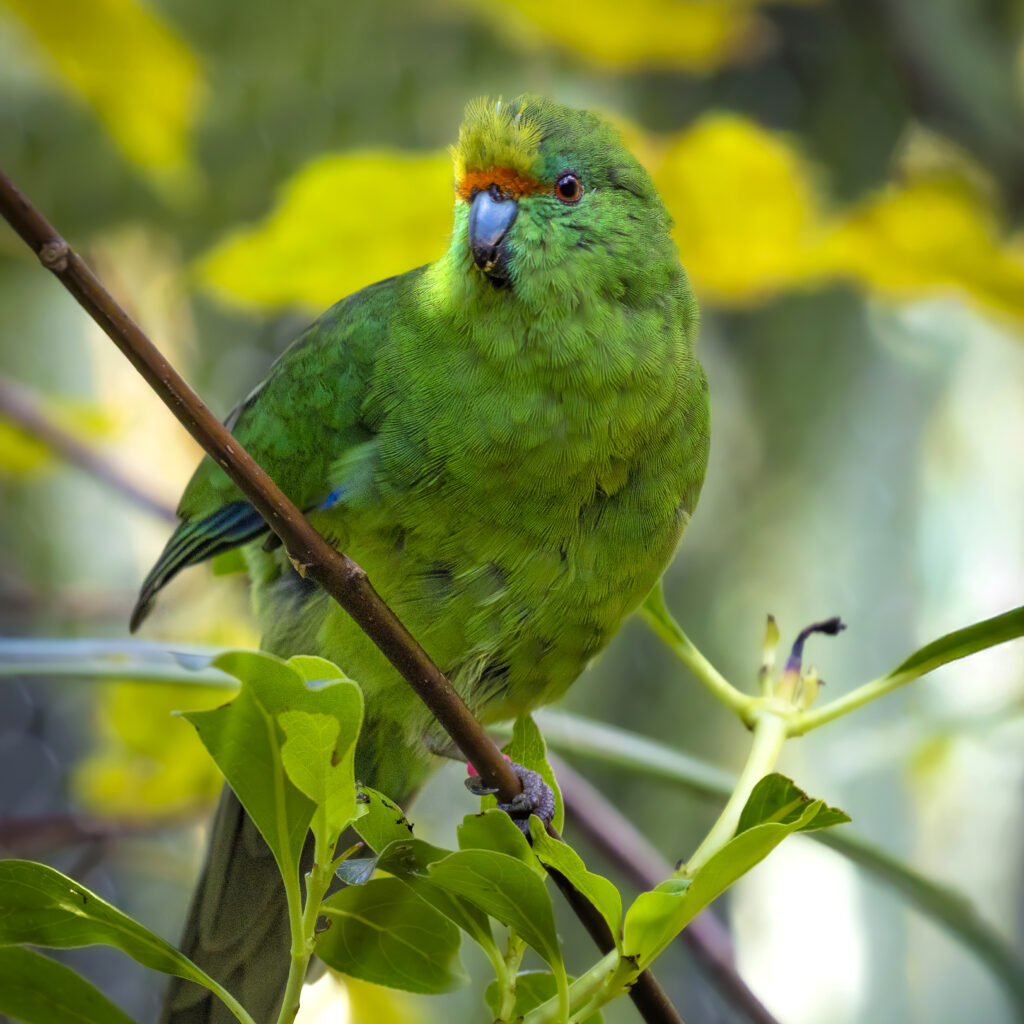
Red-Crowned Kākāriki
This is a small, lively native NZ parakeet. It is easily identified by its bright green body, vivid red crown and forehead, and small blue patches on the wings. Fast and agile, it darts through the forest canopy in small flocks, feeding on seeds, berries, flowers, and leaves. Once common throughout the country, it is now mostly found on predator-free islands and in a few protected mainland forests.
Adult red-crowned parakeet song.
Credit: Department of Conservation NZ
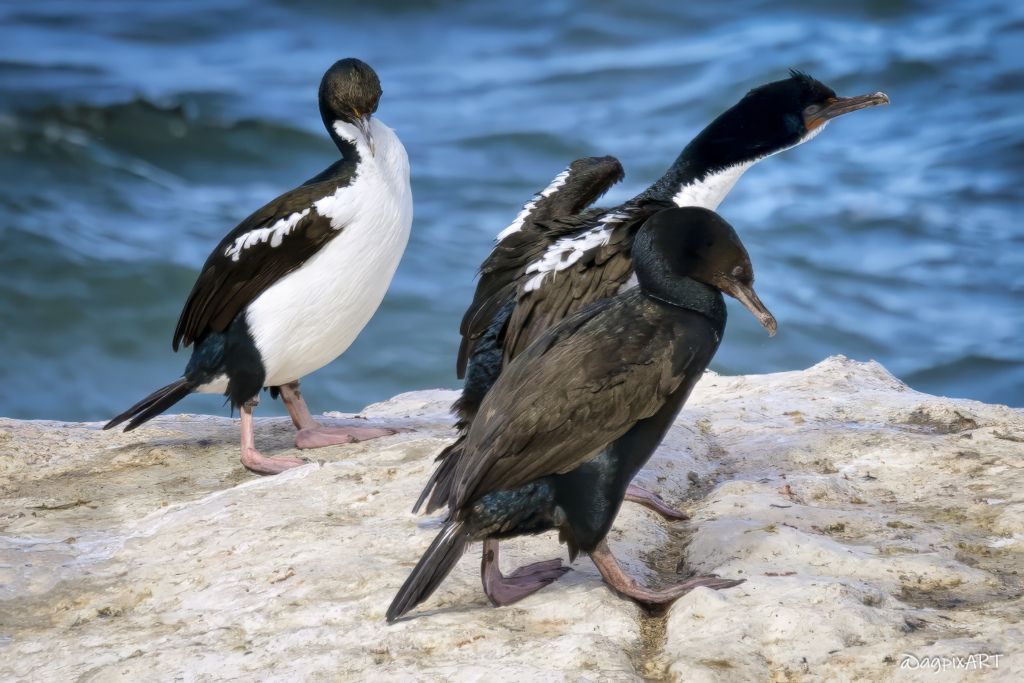
Shags/Cormorants
This is a small, lively native NZ parakeet. It is easily identified by its bright green body, vivid red crown and forehead, and small blue patches on the wings. Fast and agile, it darts through the forest canopy in small flocks, feeding on seeds, berries, flowers, and leaves. Once common throughout the country, it is now mostly found on predator-free islands and in a few protected mainland forests.
Adult red-crowned parakeet song.
Credit: Department of Conservation NZ
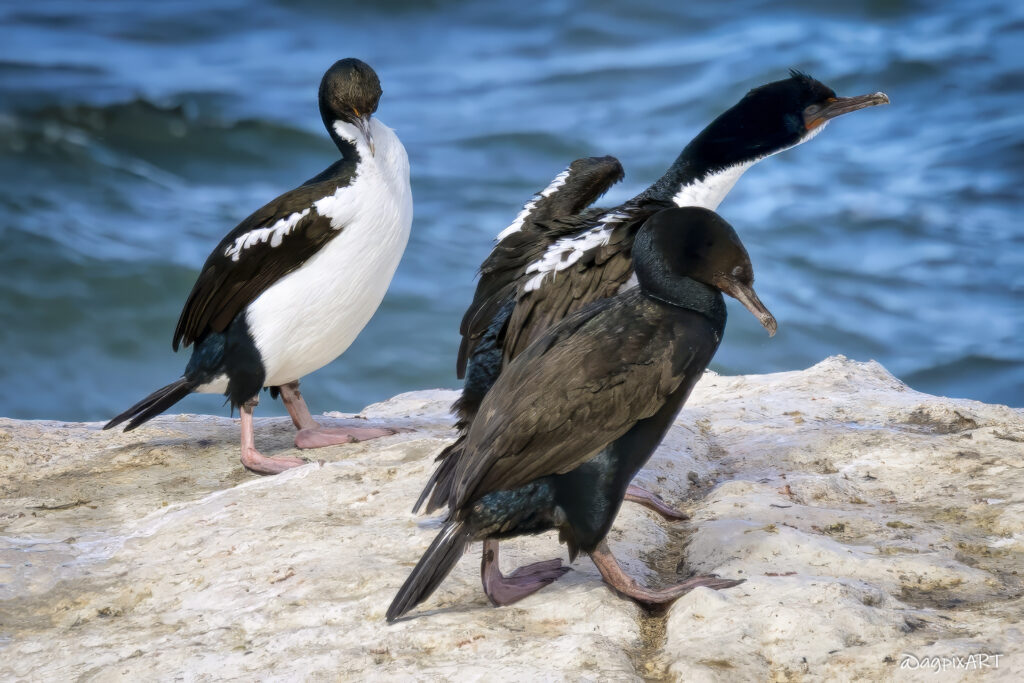
Shags/Cormorants
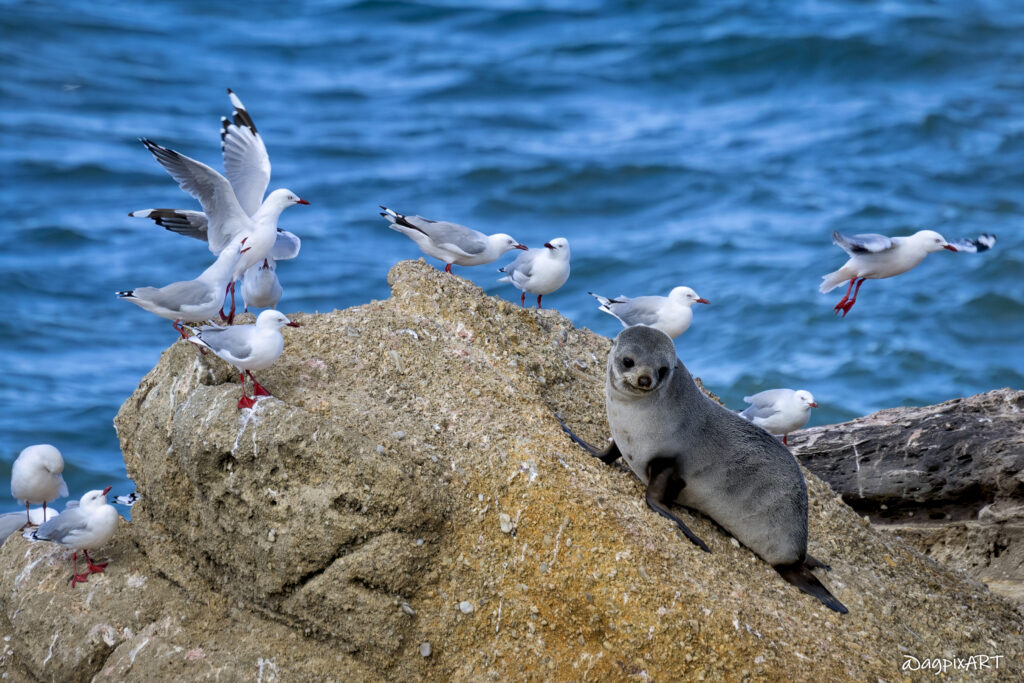
Petrels
NZ’s lakes, rivers, and wetlands support a variety of waterbirds. The most widespread and easily seen is the Pūkeko, a bold, purple-blue swamp hen with long red legs that is often spotted striding through grassy wetlands and farmland. Other common species include the Paradise Shelduck, the Grey Teal, the introduced Black Swan, and the Australasian Bittern. These birds are a vital part of freshwater ecosystems and are frequently seen around ponds, estuaries, and river margins.
Plovers
NZ’s native birds of prey consist of the NZ Falcon (Kārearea) and the Australasian Harrier (Kahu). The NZ Falcon is a fast, powerful hunter and one of the country’s most impressive endemic birds, often seen darting through forests and open country. The much larger Australasian Harrier is a common sight gliding low over farmland, wetlands, and roadsides, scavenging and hunting small animals. These skilled raptors play a vital role as top predators in NZ’s ecosystems.
Oystercatchers
Many of the birds in New Zealand towns, gardens, and farmland are introduced species. The most widespread include the European Blackbird, Song Thrush, House Sparrow, Common Starling, Common Myna, and Mallard Duck. Other noticeable introduced birds are the California Quail, Rock Pigeon, and Eastern Rosella. While these birds are very common and often the first ones visitors notice, they compete with native species for food and nesting sites.
Stilts
Many of the birds in New Zealand towns, gardens, and farmland are introduced species. The most widespread include the European Blackbird, Song Thrush, House Sparrow, Common Starling, Common Myna, and Mallard Duck. Other noticeable introduced birds are the California Quail, Rock Pigeon, and Eastern Rosella. While these birds are very common and often the first ones visitors notice, they compete with native species for food and nesting sites.
Black Swan
Many of the birds in New Zealand towns, gardens, and farmland are introduced species. The most widespread include the European Blackbird, Song Thrush, House Sparrow, Common Starling, Common Myna, and Mallard Duck. Other noticeable introduced birds are the California Quail, Rock Pigeon, and Eastern Rosella. While these birds are very common and often the first ones visitors notice, they compete with native species for food and nesting sites.
Ducks (Grey Duck, Paradise Shelduck)
Many of the birds in New Zealand towns, gardens, and farmland are introduced species. The most widespread include the European Blackbird, Song Thrush, House Sparrow, Common Starling, Common Myna, and Mallard Duck. Other noticeable introduced birds are the California Quail, Rock Pigeon, and Eastern Rosella. While these birds are very common and often the first ones visitors notice, they compete with native species for food and nesting sites.
Pūkeko
The Pūkeko is one of NZ’s most recognizable and characterful native birds. This large, striking rail has deep blue-purple plumage, bright red legs and beak, and a white tail that it flicks constantly. Bold and confident, pūkeko are commonly seen striding through wetlands, grassy paddocks, roadside verges, and even suburban gardens. They are highly adaptable and opportunistic feeders, eating everything from insects and worms to shoots, fruit, and even small birds or eggs.
Goldfinch
The Goldfinch is a colourful introduced songbird commonly seen across New Zealand. Easily recognised by its bright red face, black and white head, and striking yellow wings, it is a small, lively finch that travels in cheerful flocks. Originally from Europe, it is now widespread in gardens, farmland, and open countryside where it feeds mainly on seeds (especially thistles and dandelions). Its pleasant, twittering song is often heard in spring and summer.
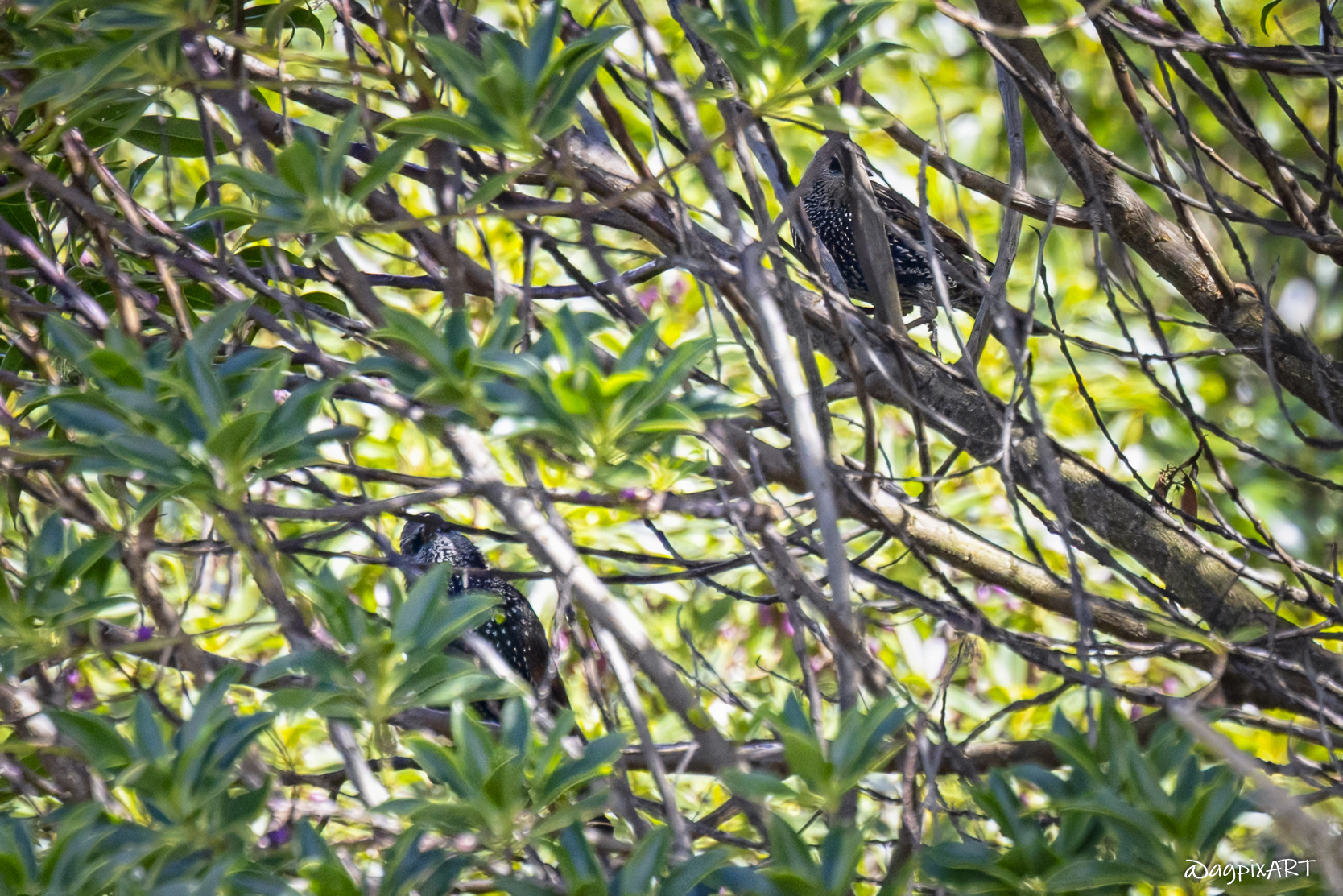
Starling
Many of the birds in New Zealand towns, gardens, and farmland are introduced species. The most widespread include the European Blackbird, Song Thrush, House Sparrow, Common Starling, Common Myna, and Mallard Duck. Other noticeable introduced birds are the California Quail, Rock Pigeon, and Eastern Rosella. While these birds are very common and often the first ones visitors notice, they compete with native species for food and nesting sites.
NZ Kingfisher
Many of the birds in New Zealand towns, gardens, and farmland are introduced species. The most widespread include the European Blackbird, Song Thrush, House Sparrow, Common Starling, Common Myna, and Mallard Duck. Other noticeable introduced birds are the California Quail, Rock Pigeon, and Eastern Rosella. While these birds are very common and often the first ones visitors notice, they compete with native species for food and nesting sites.
Song Thrush
The Song Thrush, originally from Europe, is easily recognized by its warm brown upperparts and heavily spotted breast. Famous for its beautiful, clear song that often includes repeated phrases, it is one of the most melodic introduced birds in the country. It frequents gardens, parks, and farmland where they hunt for snails and worms, often smashing snail shells on favorite “anvil” stones. While popular for their singing, they compete with native birds for food and habitat.
If you see this after your page is loaded completely, leafletJS files are missing.
If you see this after your page is loaded completely, leafletJS files are missing.